How Green Energy Can Add Years to Your Life and Build a Sustainable Future

Green energy is not only about saving the planet. It directly affects human health, life expectancy, and economic resilience. By cutting greenhouse gas emissions and reducing air pollution, renewable energy can prevent millions of premature deaths while also fueling sustainable business growth.

Key Takeaway – Why Green Energy Matters for Human Survival
- Fossil fuels cause nearly 7 million premature deaths every year due to air pollution (WHO).
- Green energy sources like solar, wind, hydro, biomass, and geothermal cut emissions and improve air quality.
- Renewable adoption creates 13 million jobs worldwide and lowers long-term business costs (IRENA).
- Switching to clean energy can increase global life expectancy by up to 2 years (Harvard study).
- For businesses, going green is not just ethical but a competitive edge in the sustainable economy.
Why Green Energy Matters for Health and Longevity
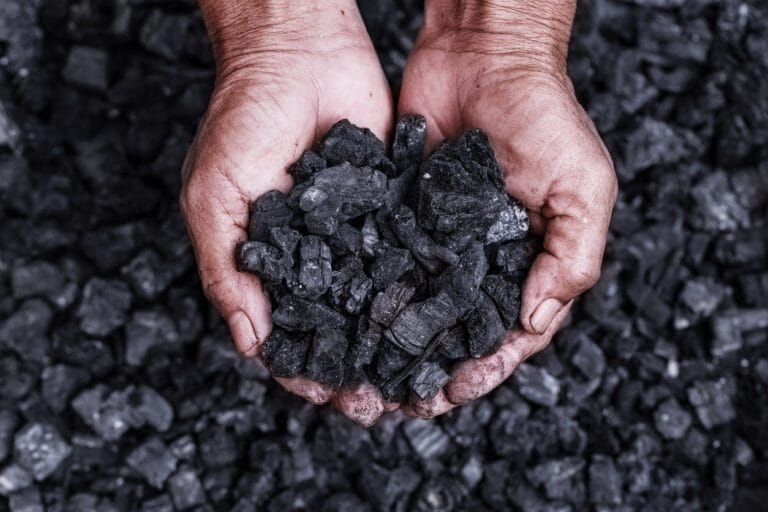
Fossil fuels have powered industries for over 150 years, but they come with heavy costs. Air pollution from coal, oil, and gas causes an estimated 8.7 million premature deaths every year worldwide (Harvard study, 2021). Exposure to fine particulate matter increases risks of heart disease, stroke, lung cancer, and respiratory infections.
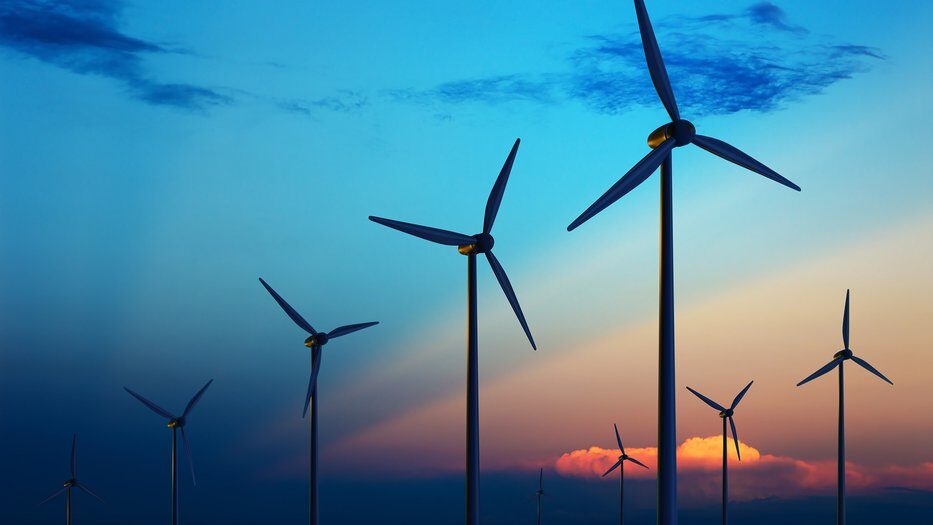
Switching to green energy directly reduces these risks. According to the World Health Organization, reducing air pollution to safe levels could extend global average life expectancy by more than a year. Clean energy is not just a climate solution but a public health necessity.
The Main Sources of Green Energy
- Solar Power
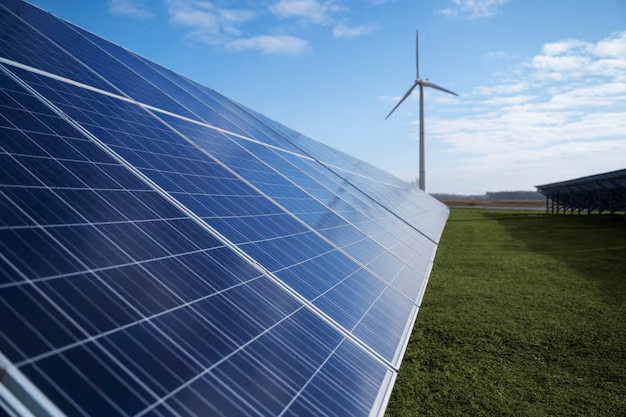
Solar energy is the fastest-growing renewable source. The International Energy Agency reported that solar accounted for almost two-thirds of global renewable power growth in 2022. Beyond electricity, rooftop solar reduces household reliance on fossil fuels, improving indoor air quality and lowering energy costs. - Wind Power
Wind provides clean electricity at scale. Denmark generates nearly 52 percent of its electricity from wind and solar, proving that economies can run on renewables without sacrificing reliability. As businesses shift to renewable-powered supply chains, wind energy becomes central to sustainable operations. - Hydropower
Hydroelectric dams supply over 15 percent of the world’s electricity. Modern small-scale hydro systems are also helping rural communities access clean power, supporting economic development while avoiding fossil dependence. - Biomass and Biofuels
Although burning biomass releases emissions, advanced biofuels made from agricultural waste or algae can cut lifecycle greenhouse gases by up to 60 percent compared to petroleum fuels. They are vital for decarbonizing sectors like aviation and shipping that are harder to electrify. - Geothermal Energy
Geothermal taps natural underground heat for stable, round-the-clock energy. Countries like Iceland meet nearly all heating demand through geothermal, showcasing how green energy improves both resilience and affordability.
Climate Change and Human Survival
The health effects of climate change are already evident. Heatwaves kill more than 489,000 people annually (The Lancet, 2021). Rising sea levels displace millions and contaminate freshwater supplies. Extreme precipitation increases the spread of waterborne diseases.
These risks are linked to the continued use of fossil fuels. Every degree of warming amplifies health threats, making clean energy adoption a matter of survival.
How Green Energy Strengthens Businesses and Communities
- Lower Costs and Greater Stability
Renewables are now the cheapest form of power in most regions. Solar and wind are often less expensive than new fossil fuel plants, saving businesses billions annually in operating costs. - Resilient Infrastructure
Decentralized renewable systems reduce dependence on unstable fossil supply chains. For example, microgrids powered by solar and storage can keep hospitals running during disasters. - Healthier Workforce
Cleaner air means fewer sick days, higher productivity, and reduced healthcare costs. For cities, adopting renewables improves livability, making them more attractive for sustainable businesses and talent. - New Market Opportunities
The renewable energy sector already employs over 13 million people globally, and the International Renewable Energy Agency projects that number could rise to 38 million by 2030. Businesses that align with this shift gain long-term competitive advantage.
A Path Toward Longer, Healthier Lives
Transitioning to green energy is one of the most effective ways to improve life expectancy. Cleaner air reduces cardiovascular and respiratory diseases, renewable-powered cities are more resilient against climate shocks, and green businesses thrive in low-carbon economies.
Every solar panel installed, every wind farm built, and every business powered by renewables adds momentum toward a future where people live longer, healthier lives. The choice is not just about energy systems. It is about survival, prosperity, and the kind of world we leave behind.