

Tata Nano EV 2025 Price and EV Upgrade, Cheapest Electric Car in India?
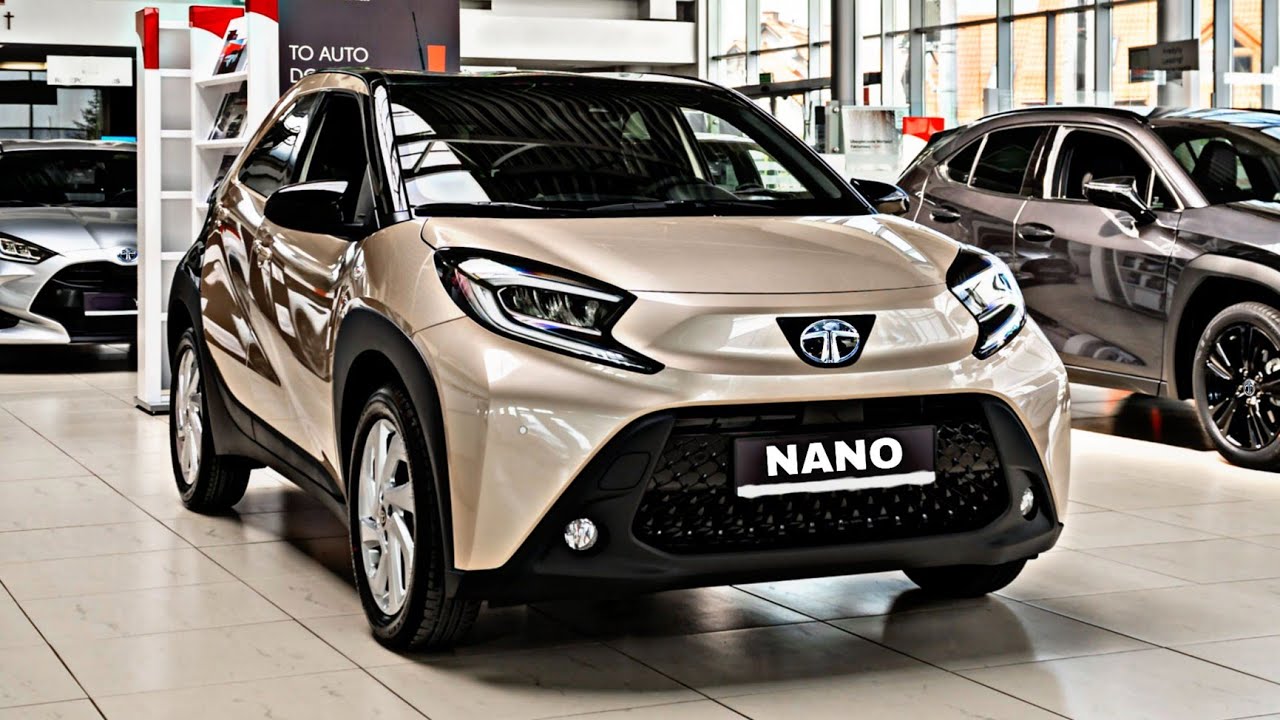
Table of Contents
The Tata Nano has always carried the title of being India’s “people’s car.” Now, as the country moves deeper into the electric revolution, the possibility of a Tata Nano EV in 2025 has sparked huge interest.
Search trends show that “Tata Nano EV 2025” and “Tata Nano EV” are now among the fastest-growing queries (Google Trends). This shift demonstrates a market that increasingly values sustainability and efficient urban transportation, highlighting the opportunity for Tata Motors and other EV startups to drive both adoption and awareness of eco-friendly vehicles.
Aimed at budget-conscious urban commuters, this electric vehicle promises a blend of affordability, eco-friendly design, and practical features. As the country pushes towards cleaner transportation, the Nano EV represents a unique opportunity for sustainable business growth in India’s electric mobility sector.
With an impressive driving range on a single charge, the Tata Nano EV is a compelling option for eco-conscious buyers.
Why the Tata Nano EV Matters
Most EVs in India today are priced above ₹10 lakh, making them inaccessible to a majority of buyers. The Nano EV could change this by bringing electric cars within reach of middle-class households.
Its impact would go far beyond just car sales. A budget EV could:
- Accelerate EV adoption in Tier 1 and Tier 2 cities
- Inspire charging startups to expand into residential neighbourhoods
- Fuel sustainable businesses like battery recycling, EV financing, and green ride-sharing
This is why the Nano EV is more than a comeback story. It’s a potential catalyst for India’s sustainable mobility ecosystem.
Affordable Urban EV – Tata Nano EV 2025 Price Expectations
The Tata Nano EV 2025 is expected to target a starting price range between ₹4–7 lakh (ex-showroom), aligning with industry expectations for value-driven electric vehicles.
While earlier estimates suggested ₹6–9 lakh, recent analysis shows that Tata Motors may adopt a more aggressive pricing strategy to dominate the affordable EV market.
This makes it one of the most accessible electric cars for first-time EV buyers and urban commuters.
Discover the Astonishing Features of Tata Nano EV
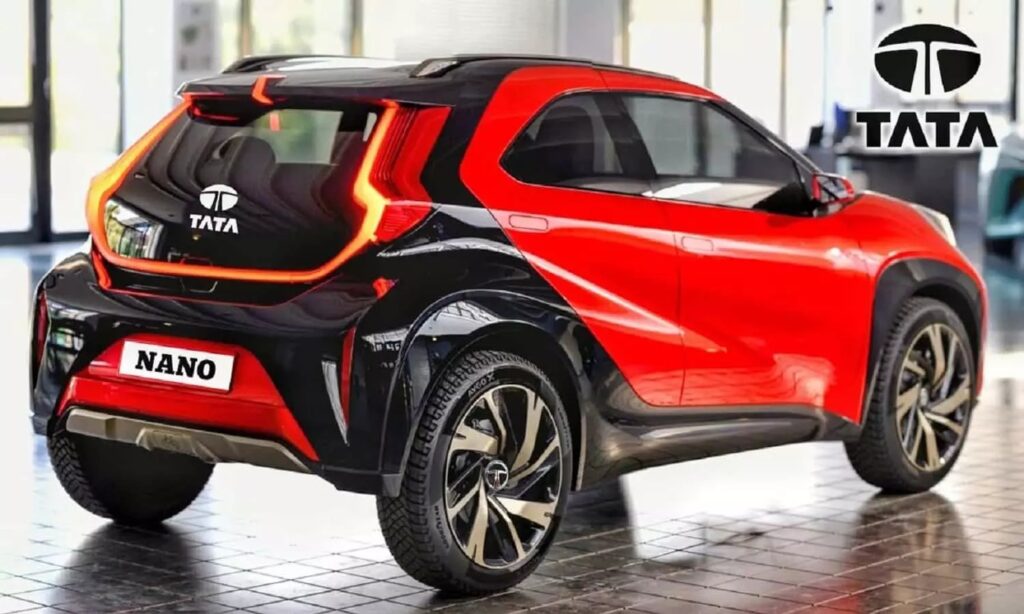
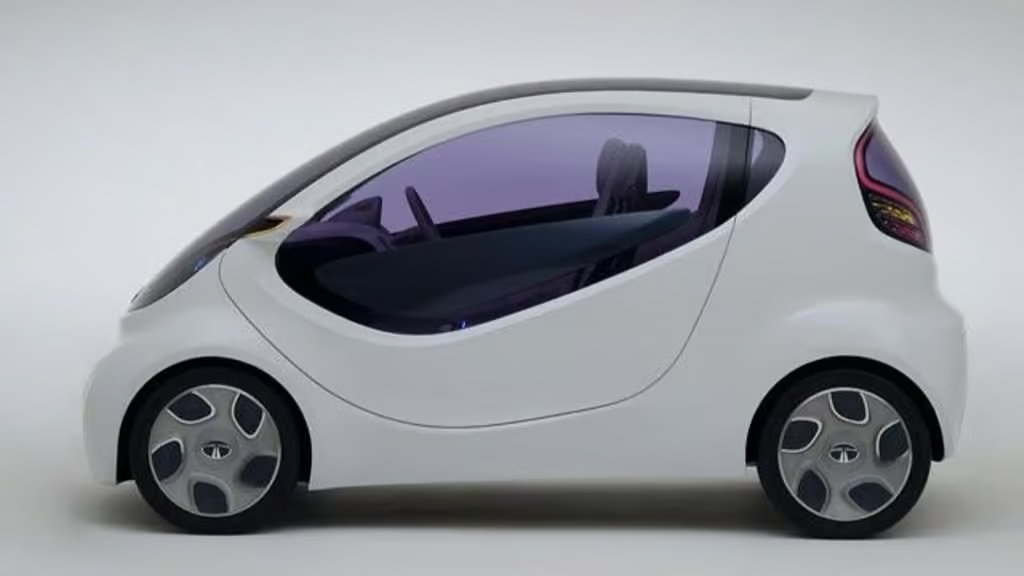
One of the notable highlights of Tata Nano EV is the introduction of a 4-seater variant, catering to the needs of small families and groups.
The expanded seating capacity ensures that four individuals can comfortably embark on their journeys, making it a practical choice for city commuting and short trips.
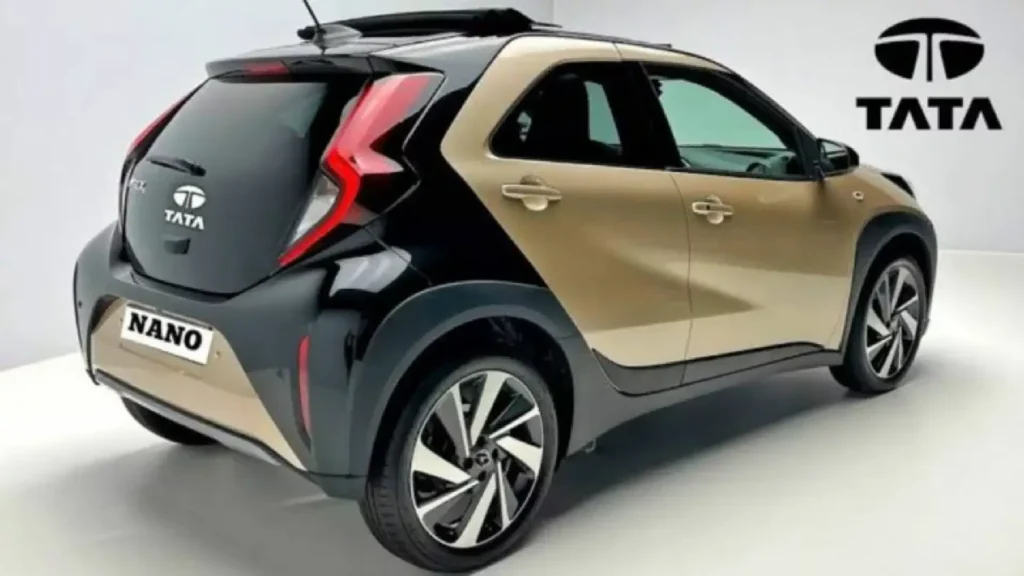
While the Tata Nano EV has not been officially launched, reports and speculations suggest the following potential features based on industry trends and Tata Motors’ electric vehicle (EV) advancements:
Key Features of the Tata Nano EV (Expected)
- Electric Powertrain
- Equipped with a high-density lithium-ion battery pack.
- Range: Estimated between 200 to 300 km on a single charge.
- Compact electric motor offering efficiency suitable for city driving.
- Compact Design
- Retains the original Tata Nano’s compact dimensions.
- Optimized for urban mobility, ideal for navigating tight city streets.
- Modernized Interior
- Digital instrument cluster displaying battery level, range, and driving statistics.
- Touchscreen infotainment system with Bluetooth and smartphone connectivity.
- Air conditioning for enhanced comfort.
- Advanced Safety Features
- Reinforced body structure to meet modern safety standards.
- Dual airbags (expected in higher variants).
- ABS with EBD and regenerative braking for added safety.
- Charging Options
- Fast-charging capability: Could charge up to 80% in under an hour.
- Home charging with a standard 15A socket for convenience.
- Sustainability & Affordability
- Designed as an affordable electric car, potentially priced between ₹6-9 lakh.
- Aimed at providing a sustainable mobility solution for urban commuters.
- Lightweight and Efficient
- Lightweight design for better energy efficiency and improved range.
- Compact wheels and improved suspension for comfortable rides.
These features align with Tata Motors’ focus on delivering cost-effective, eco-friendly solutions, similar to their other EV offerings like the Tata Tiago EV and Tata Nexon EV.
What is the Expected Battery and Range of the Tata Nano EV
There is no official confirmation from Tata Motors, but market predictions converge around the following:
- Battery Pack: 17–21 kWh lithium-ion
- Range: 150–250 km per charge
Some early claims of 200–300 km are considered optimistic for this segment, though Tata could offer multiple variants to balance price and range.
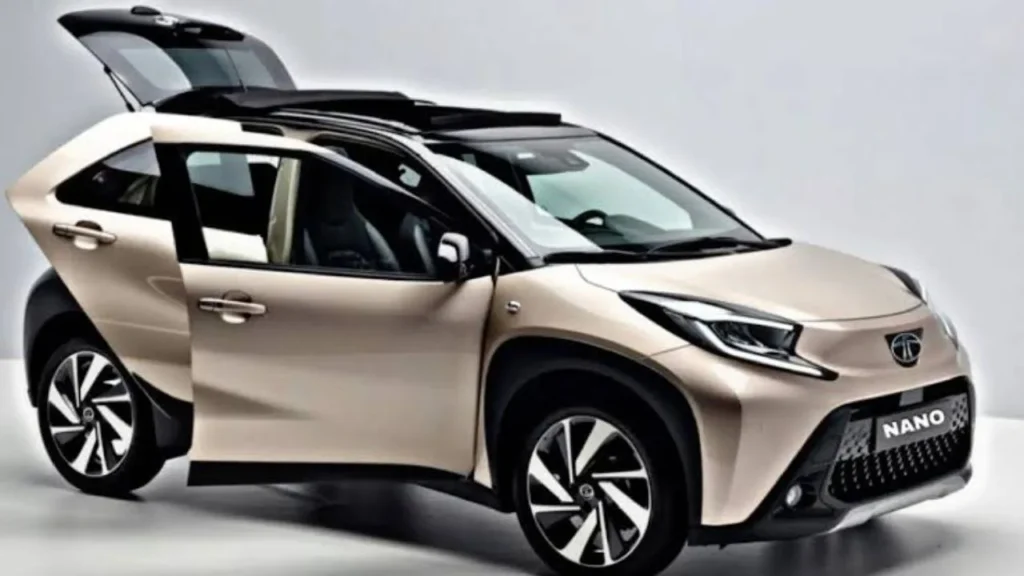
The battery life of the Tata Nano EV is likely to feature a high-density lithium-ion battery designed to last between 8 to 10 years or around 1,000 to 1,500 charging cycles, depending on usage patterns and maintenance.
Tata Motors’ experience with EVs like the Tiago EV and Nexon EV suggests that the Nano EV’s battery would include thermal management systems and software optimizations to maintain consistent performance over time.
This ensures the battery retains a significant percentage of its original capacity, even after years of regular use.
For sustainable businesses, battery production and recycling present critical opportunities. Companies involved in battery reuse, recycling, and second-life applications can partner with EV manufacturers like Tata to create a circular economy, reduce urban waste, and support India’s green energy goals.
Expected Tata Nano EV Specifications
Powertrain
- Battery Type: High-density lithium-ion battery pack
- Battery Capacity: Estimated 17–21 kWh
- Range: Approx. 200 to 300 km on a single charge
- Motor Type: Permanent magnet synchronous motor (PMSM)
- Power Output: Around 40–60 hp
- Torque: Estimated at 90–110 Nm
Charging
- Fast Charging: 0–80% charge in ~60 minutes (using a DC fast charger)
- Home Charging: 6–8 hours (using a standard 15A socket)
Performance
- Top Speed: ~85–100 km/h
- Acceleration: 0–60 km/h in ~9–10 seconds
Dimensions
- Length: ~3,100 mm
- Width: ~1,500 mm
- Height: ~1,600 mm
- Wheelbase: ~2,230 mm
- Ground Clearance: ~180 mm
Features
- Infotainment: 7-inch touchscreen system with Bluetooth and smartphone connectivity
- Safety:
- Dual airbags
- ABS with EBD
- Rear parking sensors
- Comfort:
- Automatic climate control
- Power windows
- Keyless entry
Suspension and Wheels
- Front Suspension: Independent, lower wishbone with McPherson strut
- Rear Suspension: Semi-trailing arm with coil spring
- Tyres: Compact low-resistance tyres on 12- or 13-inch wheels
Seating Capacity
- 4 passengers (including the driver)
These specifications are speculative and subject to confirmation once Tata Motors makes an official announcement regarding the Tata Nano EV.
Launch Timeline and Market Expectations
While Tata Motors has not confirmed an official launch date, industry experts predict a release in late 2025 or early 2026. With growing government incentives such as the FAME II scheme and Production-Linked Incentive (PLI) schemes, the cost of EV adoption is decreasing, making vehicles like the Nano EV increasingly attractive to consumers.
The Nano EV’s potential to attract urban commuters seeking affordable, eco-friendly options could strengthen Tata Motors’ position in the Indian EV market. It also indirectly supports other sustainable businesses, from renewable energy providers to EV component manufacturers.
Comparisons and Market Positioning
Compared to other low-budget EVs like the Tata Tiago EV or the Mahindra eKUV100, the Nano EV 2025 is designed to be lighter, more compact, and potentially more affordable, appealing to first-time EV buyers. Its realistic range of 150–250 km aligns well with daily urban travel needs, while its low price point encourages mass adoption and supports government sustainability goals.
The Tata Nano EV 2025 exemplifies the intersection of affordability, sustainability, and innovation. It is poised to transform urban transportation. By fostering business opportunities in EV infrastructure, battery management, and renewable energy integration, the Nano EV not only benefits consumers but also contributes to India’s broader sustainable development goals.
Tata Motors’ bold step into budget EVs underscores how clean energy adoption and business innovation can drive a greener future for India’s cities.
What is the price of the Tata Nano 2025 model?
The Tata Nano is expected to be priced between ₹4 lakh and ₹6 lakh for the EV variant, depending on features.
Will the Tata Nano 2025 be electric?
Yes, Tata Motors is working on an all-electric version of the Nano with improved range and performance.
When will the Tata Nano 2025 launch?
While no official date is confirmed, industry experts predict a launch in late 2025 or early 2026.






Anyone know the launch date?
expected launch in mid-2025
Need info
Waiting for launch of new version Nano to book
Contact mobile number please
Looking so nice but actual price 🤔🤔🤔🤔🤔🤔🤔🤔🤔
price range between ₹6 lakh and ₹9 lakh
My contact plz
I’m interested in Tata Nano Electric Car
waiting for such an ev option in india