
Table of Contents
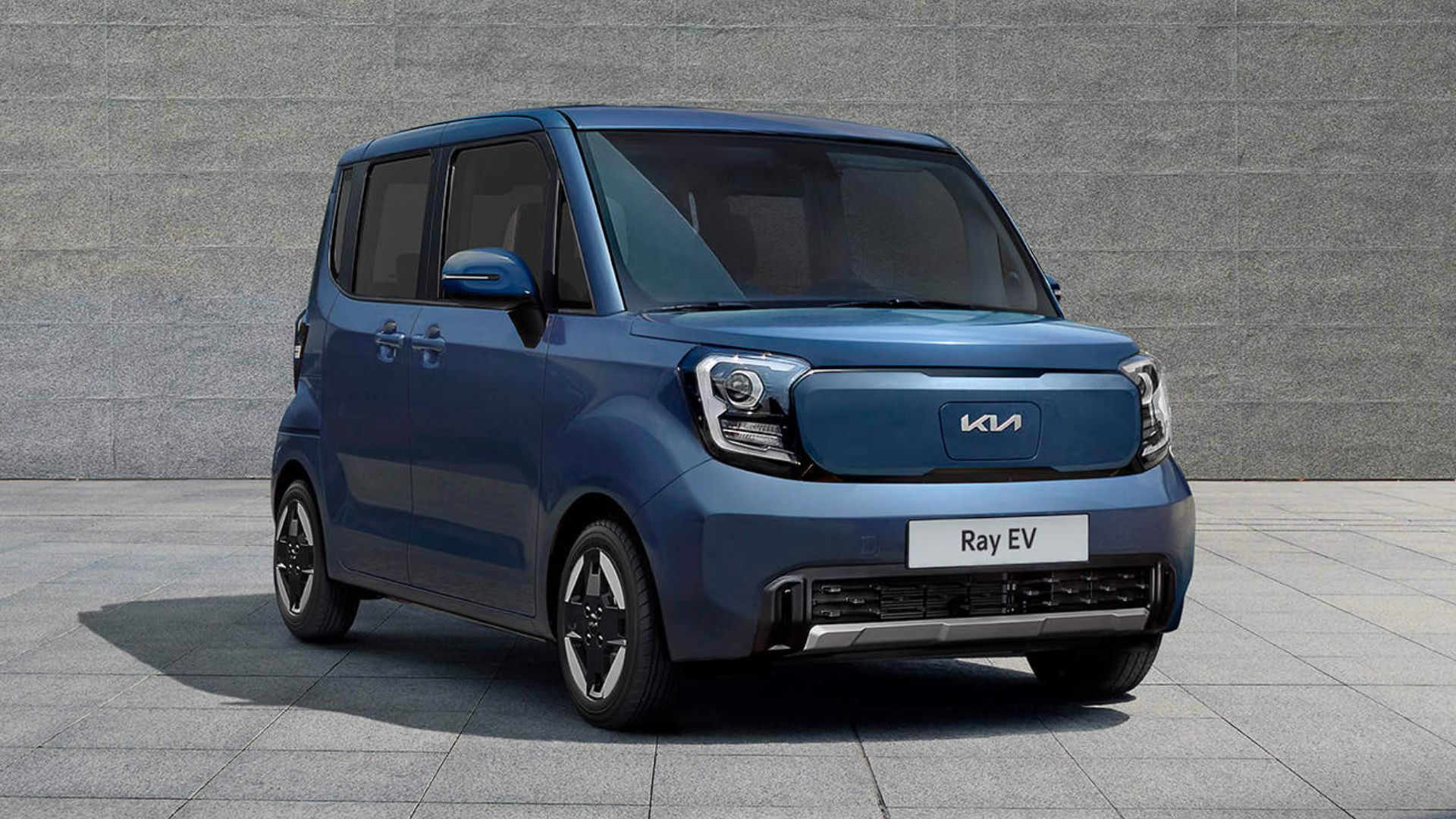
Kia has refreshed one of its quirkiest models with a new electric twist, the all-electric Kia Ray EV. This small, boxy car has always been popular in South Korea for its practicality, and now it’s fully electric, efficient, and surprisingly affordable.
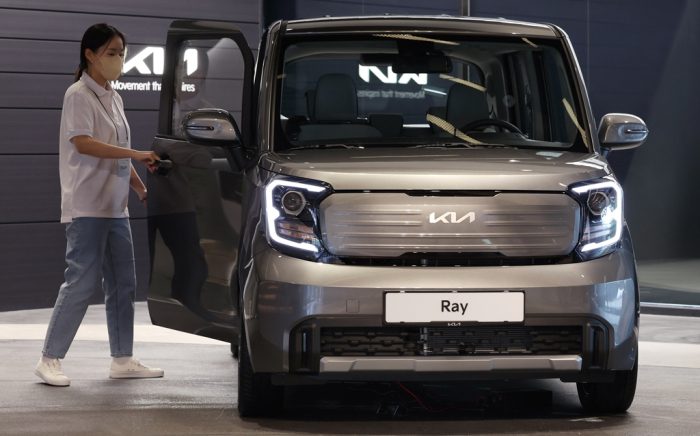
The Ray EV combines compact design with a 35.2-kWh LFP battery that offers a driving range of around 210 kilometers (130 miles) per charge. It produces 86 horsepower and 108 lb-ft of torque, making it ideal for daily city commutes without the high costs that come with most EVs today.
The Rise of the Compact Electric Car
City-focused electric cars are making a quiet comeback. With traffic congestion, limited parking, and rising vehicle costs, small EVs offer a realistic and sustainable solution.
In South Korea, compact vehicles known as gyeongcha have long been popular for their affordability and efficiency. The Kia Ray EV, priced at roughly $20,600, taps perfectly into that demand, giving buyers a zero-emission option that’s small enough to squeeze into the tightest parking spots.
While this model is only available in Korea for now, its specs make you wonder if it could thrive in larger markets like the U.S. or India, where city congestion is a growing issue.
Inside the Ray EV
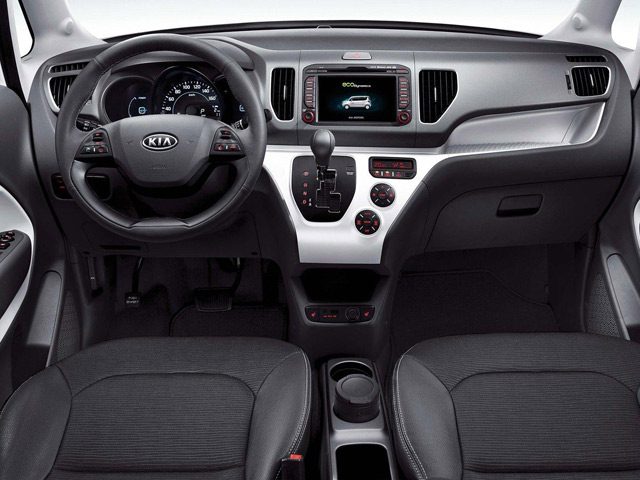
Despite its compact size, the Ray EV feels surprisingly well-equipped. The new generation includes:
- Upgraded battery range that nearly doubles what the older Ray EV offered.
- Improved motor performance, making city drives smoother and more responsive.
- Modern safety features like lane-keeping assist and collision warnings.
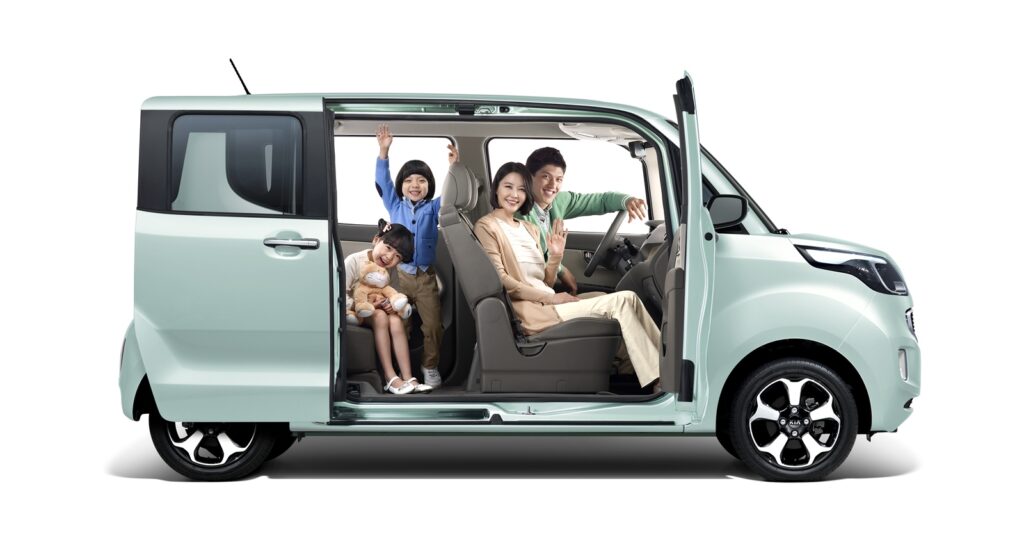
- A practical boxy design, which maximizes interior space for four passengers.
The interior also feels more premium than its price tag suggests. It includes a refreshed dashboard layout, smart connectivity options, and an emphasis on simplicity — something rare in small EVs today.
How It Stands Against Competitors
Compared to compact EVs like the Mini Cooper SE or Mazda MX-30, the Ray EV looks like a bargain. The Mini offers less range at a higher price, while the MX-30 has struggled to find buyers and is already being phased out in some markets.
At under $21,000, the Ray EV brings affordability back into the EV conversation, something sorely missing as most automakers push larger crossovers and SUVs.
According to Statista, the cost of owning and charging small EVs is a major factor driving purchase decisions, especially among first-time buyers in urban areas.
What About the Indian Market
The Kia Ray EV isn’t available in India yet, but if launched, its estimated price would start around ₹16.9 lakh. That would position it as a direct rival to budget EVs from Tata and MG, and potentially make it the most affordable four-door EV in India.
Given India’s growing EV adoption goals and increasing government incentives for small electric cars, models like the Ray could play a major role in urban sustainability.
Why Small EVs Matter for Sustainable Mobility
Small electric cars are more than just “cheap alternatives.” They represent a shift toward smarter, localized transport. Their reduced material usage, smaller batteries, and higher energy efficiency make them more sustainable to manufacture and operate.
They’re also better suited for cities, shorter trips, smaller parking spaces, and lower charging demand. With the world’s urban population expected to hit 68% by 2050 (UN Data), compact EVs could become essential to how people move in dense cities.
The Missed Opportunity for the U.S.
Kia currently has no plans to bring the Ray EV to the U.S., but maybe it should.
Affordable EV options are shrinking as brands focus on premium models. Meanwhile, the average new EV price in the U.S. has crossed $53,000, according to Cox Automotive. That’s a gap waiting to be filled by efficient city cars like the Ray.
Even the once-popular Smart EQ exited the U.S. too early, right before the rise in demand for smaller, cheaper electric options.
The Road Ahead
With more automakers leaning toward large EVs and SUVs, the market for subcompact EVs remains underdeveloped. However, models like the Fiat 500e and Kia Ray EV show that there’s still space for clever, affordable electric cars that make sense for urban living.
If global EV strategies start including local urban mobility instead of just luxury segments, cars like the Ray could redefine city transportation, affordable, electric, and built for real people.