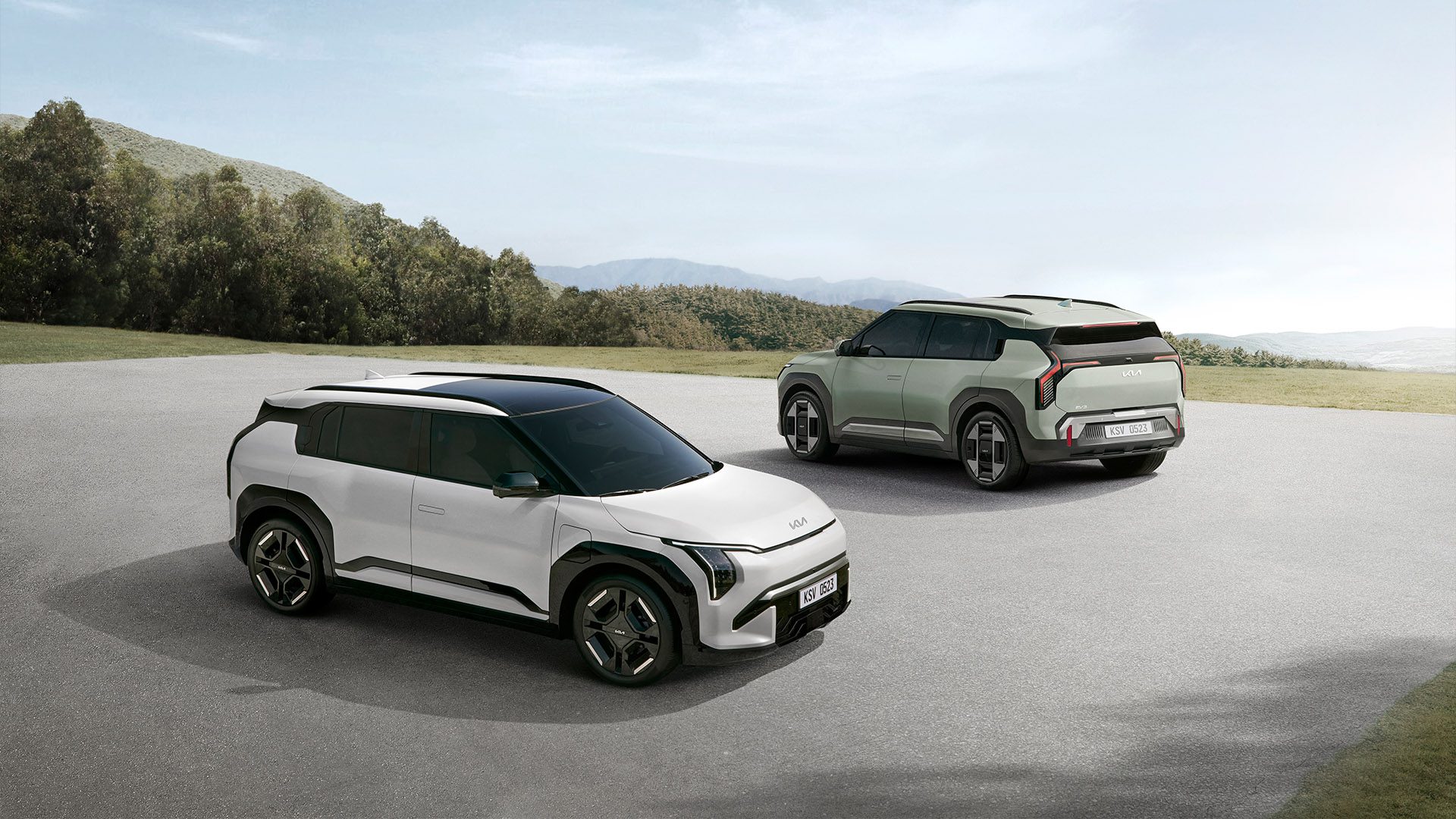

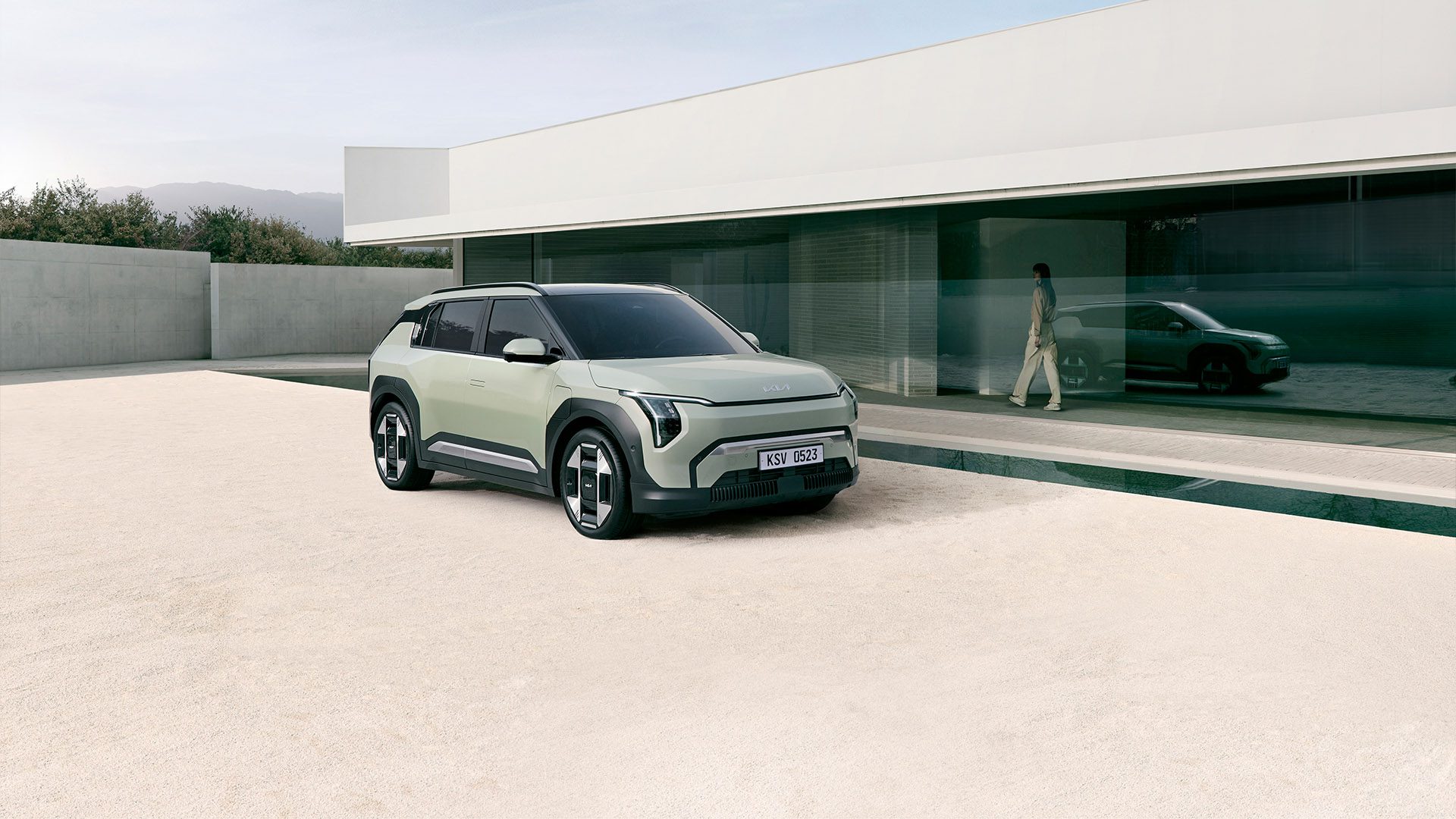
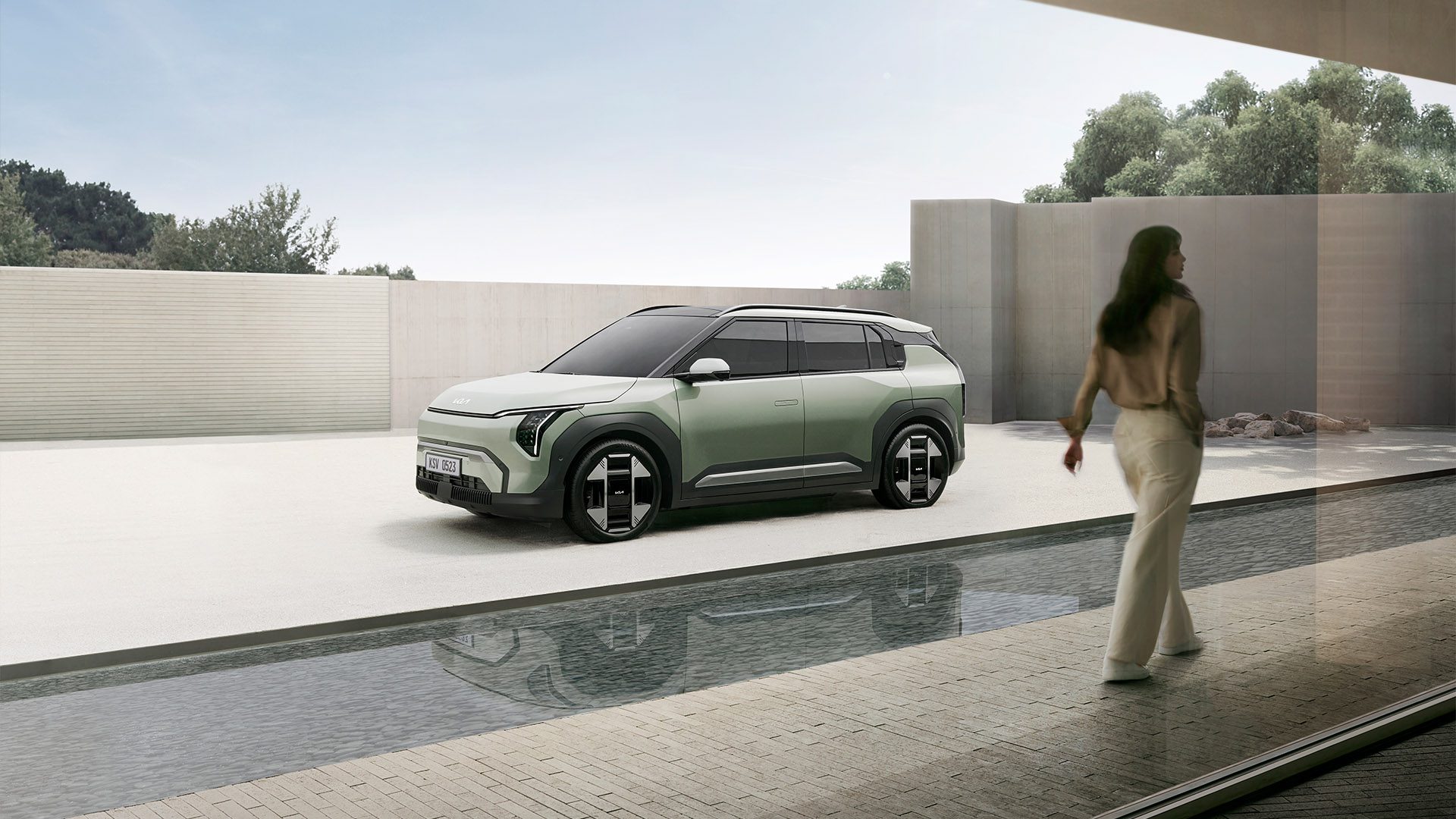
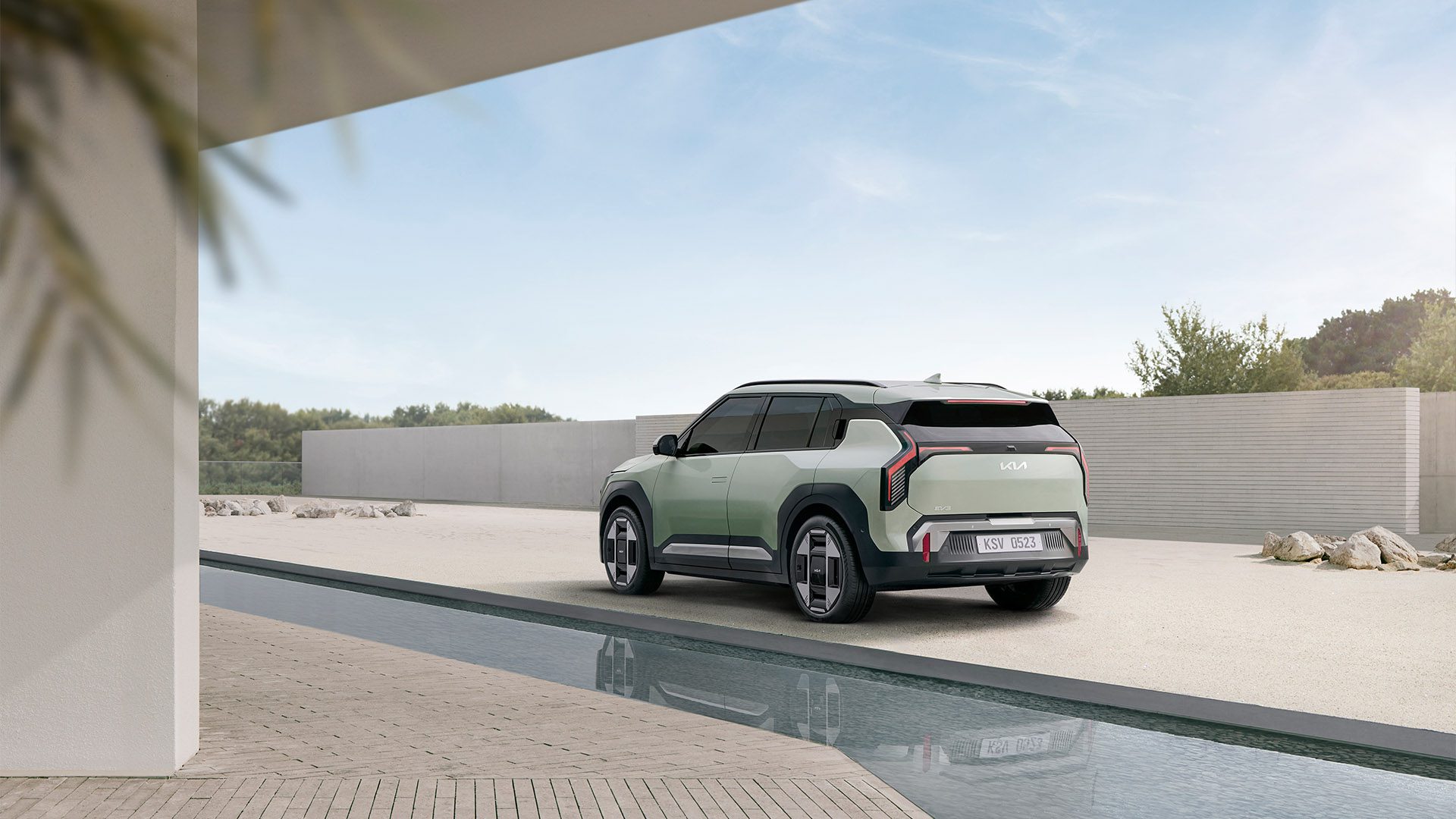







The electric vehicle space is heating up fast, and Kia’s latest entry, the EV3, isn’t just another compact SUV. It represents a smart business move toward making sustainable mobility more accessible for the mass market.

With this launch, Kia is redefining what “affordable EV” means in a world where sustainability, technology, and profit now coexist.
Compact, Capable, and Conscious
The Kia EV3 is positioned as a smaller sibling to the premium EV6, but with an entirely new purpose: bringing sustainable innovation to a wider audience. Built on Kia’s e-GMP platform, the EV3 comes with an expected range of around 400 km, powered by high-efficiency battery modules designed for longevity and recyclability.
It’s not just about specs, it’s about strategy. By focusing on smaller form factors, Kia aims to reduce production emissions and streamline logistics for global rollouts. This signals a shift toward sustainability in automotive manufacturing, where resource efficiency and lower lifecycle emissions matter as much as performance.
Affordable EVs as a Scalable Business Model
Kia’s EV3 isn’t just a new car, it’s a case study in scaling sustainability. Pricing is expected to start at around $35,000 (₹29 lakh approx.), targeting a segment where affordability has been a key barrier to EV adoption.
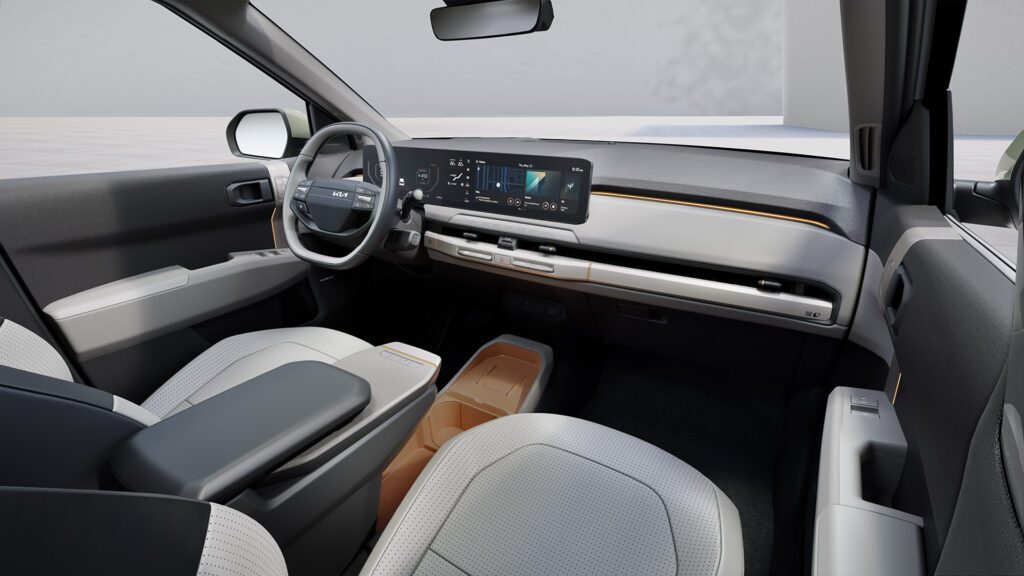
By designing the EV3 with localized manufacturing plans and battery partnerships across Asia and Europe, Kia is aligning with global decarbonization policies such as the EU Green Deal and India’s FAME III program. These initiatives encourage domestic production of EVs and components to cut both emissions and import dependency.
According to the International Energy Agency (IEA), affordable EV models are expected to dominate new registrations in emerging markets by 2030, and the EV3 fits perfectly into that trajectory.
Technology Meets Sustainability
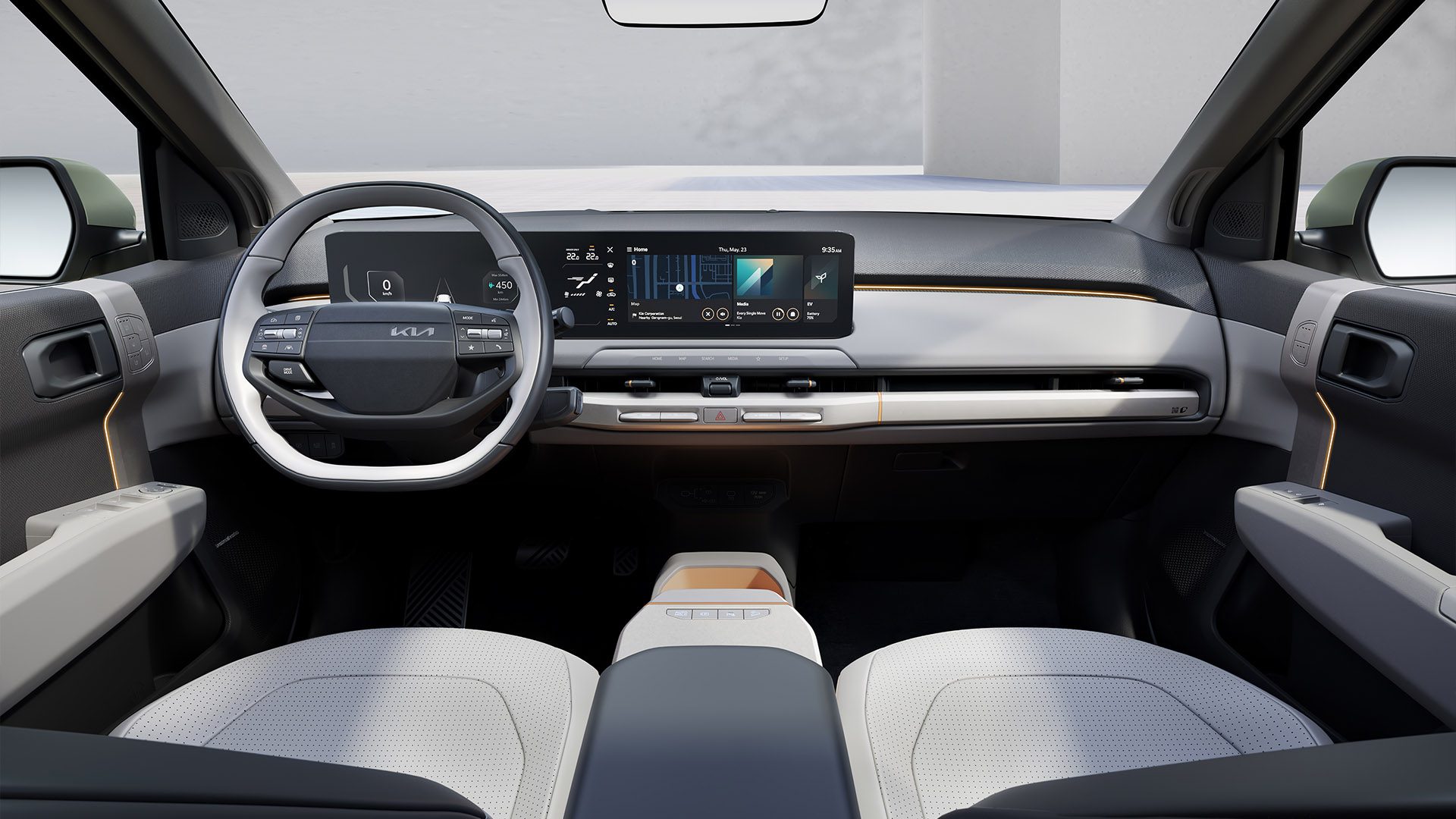
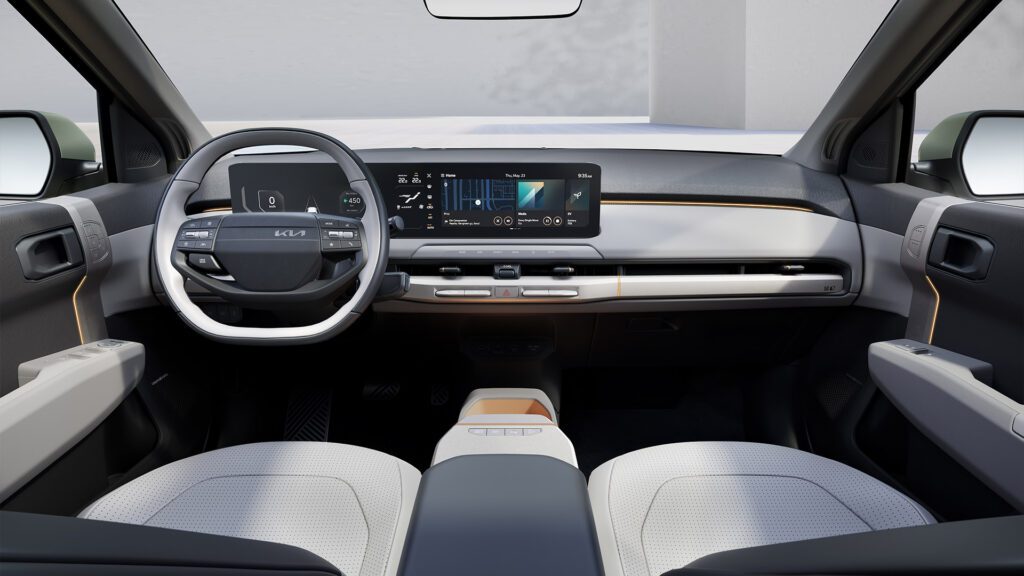
Under the hood, Kia has equipped the EV3 with AI-based energy optimization, smart charging integration, and a vegan interior design that avoids animal-derived materials. The cabin is built using bio-based plastics and recycled PET fabrics, continuing Kia’s commitment to circular design.
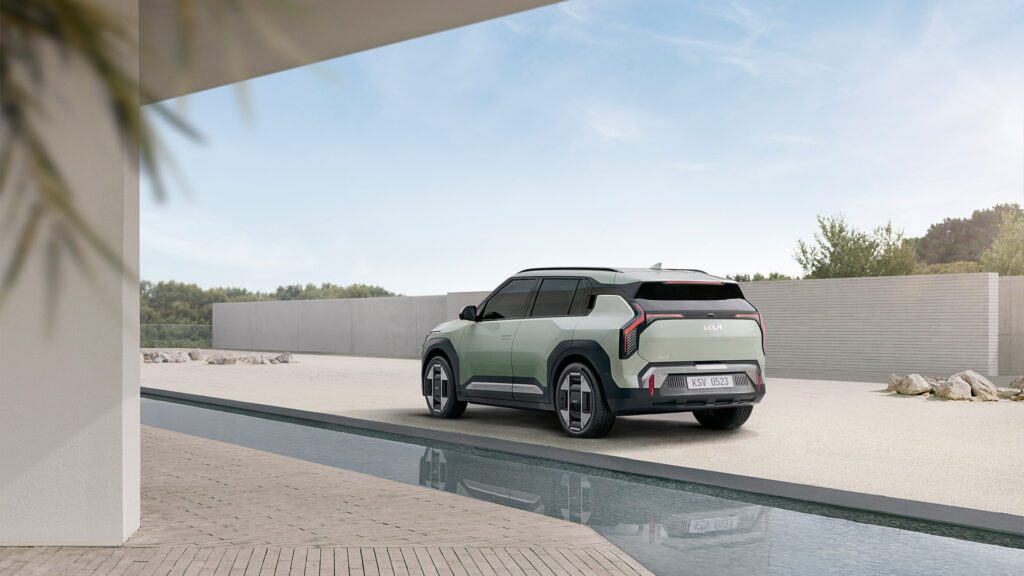
The car’s infotainment system even offers energy usage analytics, a feature that aligns with the broader movement toward data-driven sustainability in mobility.
India’s Clean Mobility Opportunity
India’s EV market is projected to grow to $113.99 billion by 2029, driven by both private innovation and public policy. The arrival of cars like the EV3 can spark competition among domestic automakers like Tata and Mahindra, pushing them toward more sustainable supply chains and design practices.
The EV3’s entry may also stimulate green job creation in battery production, charging infrastructure, and software engineering areas already being prioritized under India’s National Electric Mobility Mission.
Business Beyond the Vehicle
What sets the EV3 apart is how it connects consumer choice with corporate sustainability goals. Each car sold contributes to Kia’s long-term net-zero roadmap, which includes commitments to renewable energy sourcing and carbon-neutral manufacturing by 2045.
For sustainable startups and suppliers, this creates new B2B collaboration opportunities in areas like:
- Battery recycling and reuse systems
- Renewable energy integration for EV charging networks
- Low-carbon logistics and component sourcing
(See more sustainable players in our Green Technology Directory)
In short, the Kia EV3 isn’t just a compact electric SUV, it’s a symbol of where sustainable business is heading. It bridges the gap between affordability and responsibility, between innovation and real-world impact.
As consumers become more conscious and governments become more climate-focused, vehicles like the EV3 show how brands can lead sustainability through smart design, scalable economics, and inclusive access to clean mobility.