What are Solar Cars and How They are Disrupting the Auto Industry & promoting green energy?
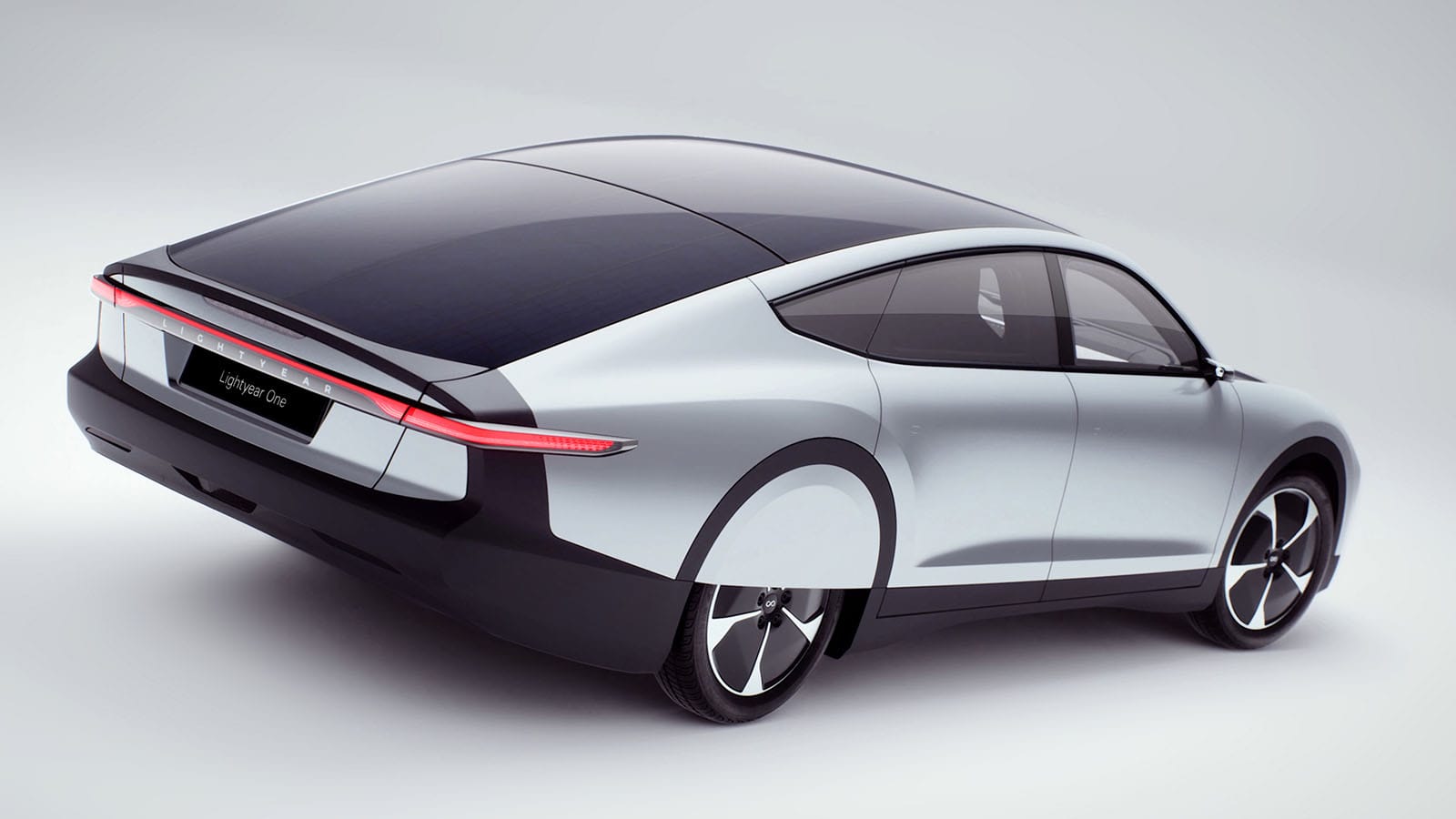
Table of Contents
For decades, cars have relied on fossil fuels. This dependency drives emissions that now account for nearly one quarter of global energy-related CO₂ output.
The rise of solar technology is creating a path toward clean mobility, with solar cars standing out as one of the most innovative solutions.
These vehicles use integrated solar panels to generate electricity directly from sunlight, reducing reliance on charging stations and eliminating tailpipe emissions.
How Solar Cars Work
Solar cars are essentially electric vehicles with solar panels built into their body, usually on the roof or hood. The panels capture sunlight and convert it into electricity, which is stored in a battery and used to power the motor.

Under good conditions, solar charging can add tens of kilometres per day, enough to cover an average daily commute without plugging in.
The idea is not new. The first recorded solar car prototype was built in 1894 by French engineer Camille Jenatzy, although battery limitations kept it from advancing beyond experiments.
What has changed is that modern solar cells and lightweight materials make this technology far more practical today. Reports such as the IEA Global EV Outlook 2024 show how innovations like solar integration are accelerating the electrification of transport.
Lightyear 0 and the Future of Solar Mobility
The Dutch company Lightyear has developed the Lightyear 0, the world’s first long-range solar car. The vehicle integrates five square meters of solar panels into an aerodynamic body, capable of adding about 70 kilometres of range per day directly from sunlight.
Its total range can reach 725 kilometres on a single charge, making it one of the most efficient electric cars to date.
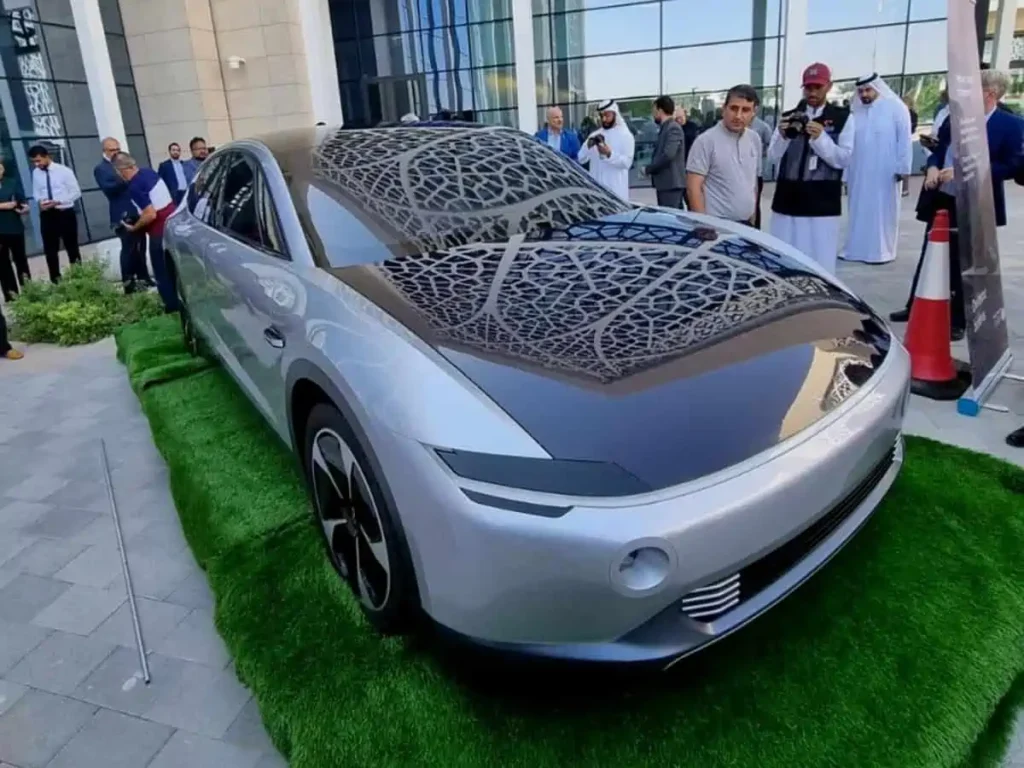
Lightyear made a high-profile debut in Dubai, a hub for futuristic innovation, where the car’s design aligned with the city’s renewable energy strategies, such as the Dubai Clean Energy Strategy 2050.
By reducing reliance on traditional charging infrastructure, solar EVs like the Lightyear 0 are particularly suited for regions with abundant sunshine.
Other Players in the Solar and Hybrid Space
Mainstream automakers are also experimenting with solar integration. Tesla has introduced solar roofs for homes, laying the foundation for future synergies with solar-powered EVs.
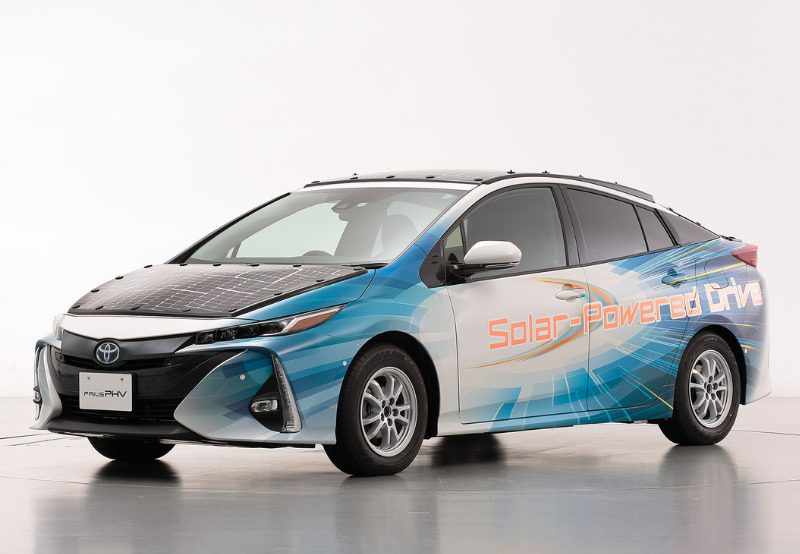
Toyota has explored solar technology in prototypes, while its Prius Prime offers a bridge for consumers through a plug-in hybrid model that reduces fuel use and emissions.
While these cars are not fully solar-powered, they illustrate how major automakers are positioning for a transition that blends electrification with renewable energy.
Benefits of Solar Cars
Owning or supporting solar cars brings clear advantages. They run on renewable energy, eliminating direct emissions.
They reduce fuel costs since solar charging is free once installed. They extend driving independence, especially in sunny regions where daily solar input can cover most commuting needs.
Finally, they represent a critical step toward reducing the transport sector’s climate impact, which is essential to meeting net-zero goals.
Hybrid vs Fully Electric Choices
For many buyers, the decision still comes down to hybrids versus fully electric vehicles. Hybrids like the Prius Prime offer flexibility and longer ranges but still rely on fossil fuels.
Pure EVs cut emissions entirely but depend on charging networks that are still expanding. Solar cars add a third pathway, one that combines the independence of hybrids with the zero-emission benefits of electric vehicles by tapping into renewable power directly.
Solar Cars and Sustainability
Solar cars are more than futuristic prototypes. They are part of a wider effort to cut emissions from one of the hardest-to-decarbonise sectors.
As solar cell efficiency rises and manufacturing costs fall, more models will reach the market. By supporting automakers investing in this space, consumers help push the auto industry toward greener practices and contribute to the global shift away from fossil fuels.