Artificial Chloroplasts A Breakthrough Solution to Environmental Damage
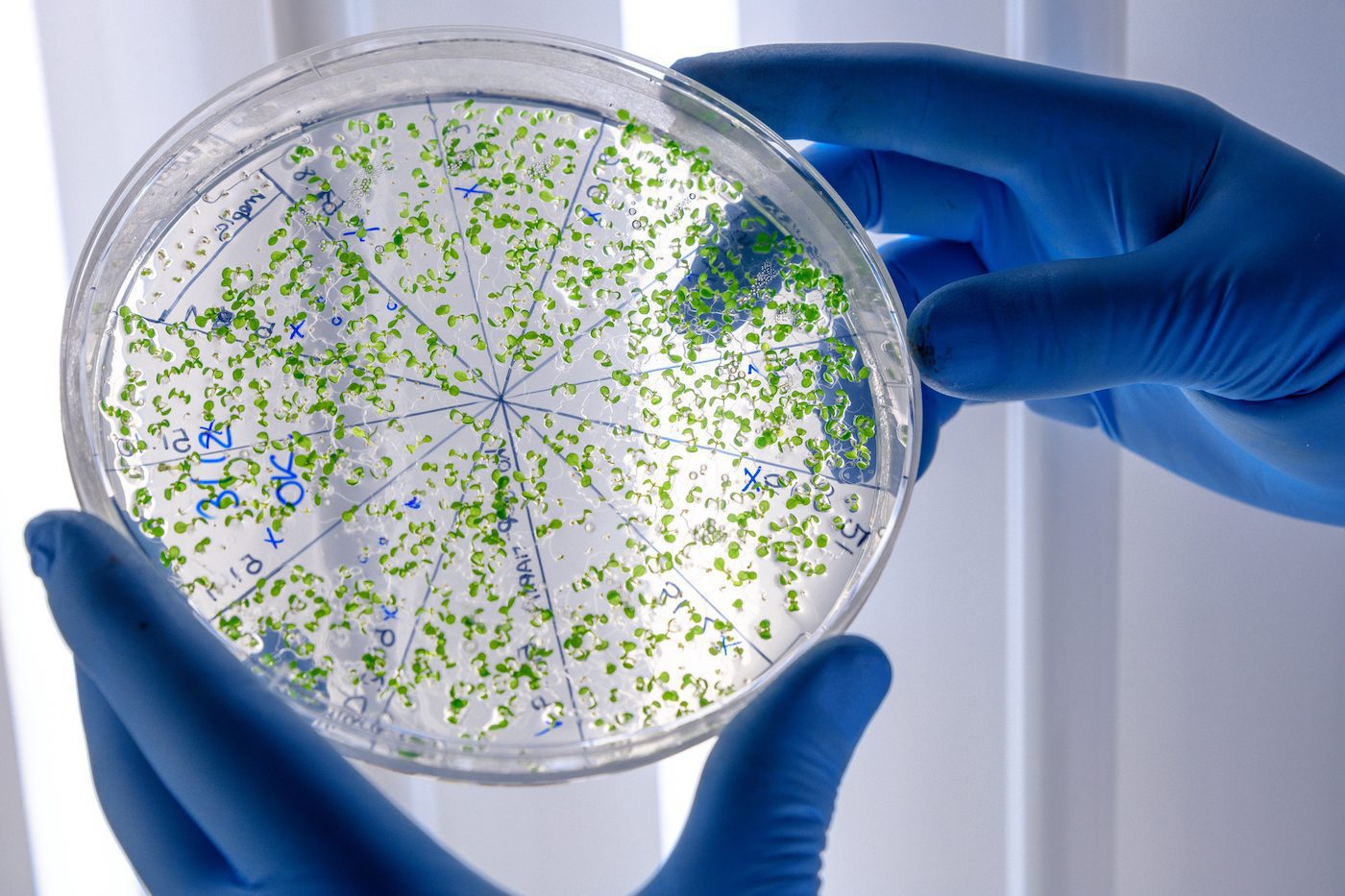
Artificial chloroplasts are one of the most promising frontiers in biotechnology. By mimicking photosynthesis, these lab-made organelles could change how we generate clean energy, produce sustainable fuels, and even develop new medicines. For businesses and communities focused on sustainability, the potential impact of this innovation is enormous.
What Are Artificial Chloroplasts
Natural chloroplasts found in plants and algae capture sunlight and convert it into chemical energy.

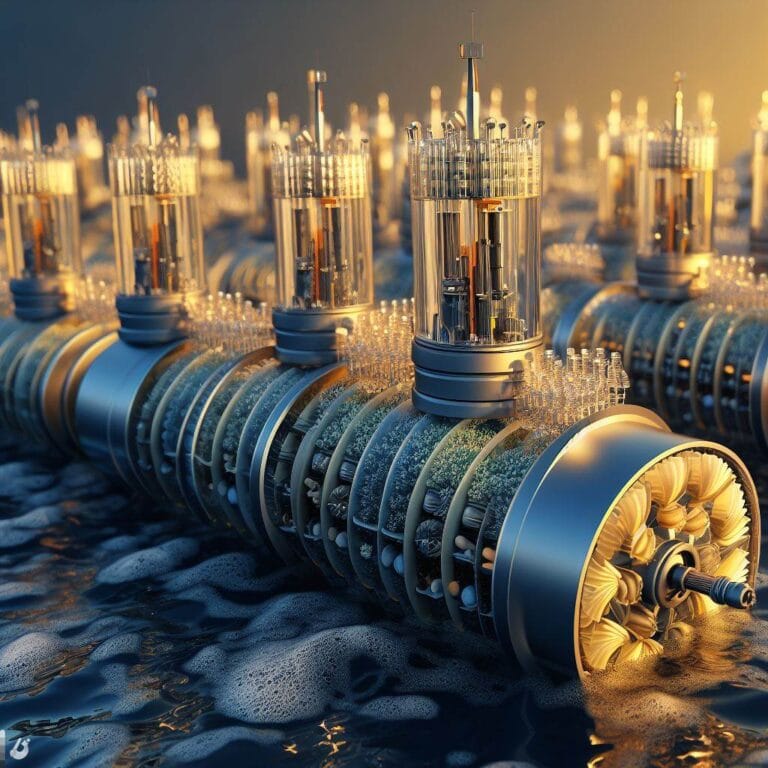
Artificial chloroplasts replicate this function using engineered proteins, lipids, and nanomaterials assembled in controlled lab environments. Unlike natural systems, these synthetic models can be fine-tuned to maximize efficiency or direct energy production toward specific outputs like hydrogen, biofuels, or medical compounds.
Why Artificial Chloroplasts Matter for Sustainability
Photosynthesis is already the most efficient carbon capture system on Earth. Replicating it in an artificial system opens new ways to fight climate change and reduce industrial emissions. According to a study published in Nature Communications, researchers have demonstrated artificial systems that capture carbon dioxide and convert it into usable chemicals with greater efficiency than some natural processes. This creates a pathway for low-carbon industrial production, aligning directly with the goals of sustainable businesses.
Energy and Fuel Potential
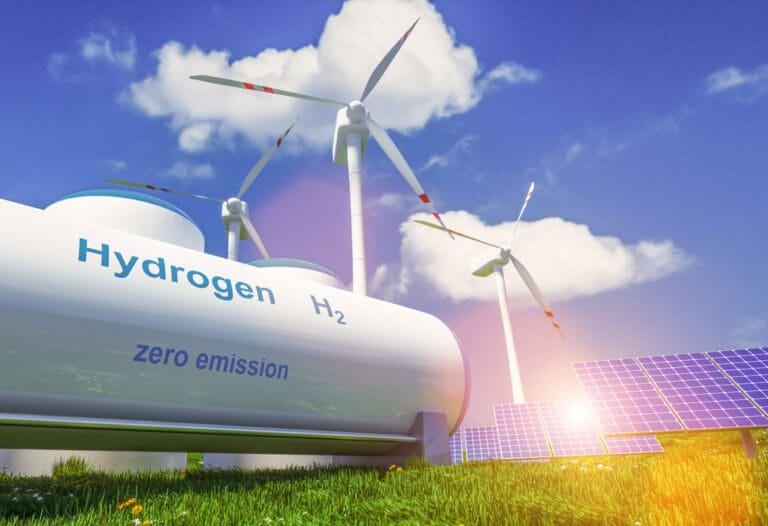
Artificial chloroplasts could transform renewable energy storage and fuel creation. Unlike solar panels that only generate electricity, synthetic chloroplasts can create liquid or gaseous fuels such as hydrogen or methane. This opens doors for clean alternatives in industries that are hard to electrify, such as aviation, shipping, and long-haul transport. For example, the global hydrogen economy is projected to reach over $410 billion by 2030 (MarketsandMarkets), and artificial chloroplasts could become a key enabler of this growth.
Pharmaceutical and Industrial Applications
Beyond energy, artificial chloroplasts have strong potential in medicine. By directing photosynthetic pathways, researchers can produce complex molecules used in pharmaceuticals more sustainably than traditional chemical synthesis. This could lower costs and reduce the environmental footprint of drug manufacturing.
Industries could also use them for carbon capture and green chemical production. For example, CO₂ captured from factories could be fed into artificial chloroplasts to generate useful compounds instead of being released into the atmosphere.
Challenges and Limitations
The technology is still young, and challenges remain. Artificial chloroplasts are not yet as stable or cost-effective as natural systems. Efficiency losses and high research costs limit large-scale deployment. However, advances in nanotechnology and bioengineering are rapidly closing these gaps.
Another challenge is scalability. Moving from lab-scale experiments to commercial applications requires significant investment. Businesses interested in this space need to collaborate with research institutions and support pilot projects to prove feasibility.
Implications for Sustainable Businesses
For green startups and established companies, artificial chloroplasts represent a future-proof innovation. Businesses in energy, chemicals, and agriculture can explore partnerships to integrate this technology into their sustainability roadmaps. Companies that depend heavily on fuel and energy could one day shift to bio-inspired systems, cutting both costs and emissions.
Sustainable living could also benefit, as localized artificial photosynthesis units might one day power homes, grow food, or provide off-grid energy solutions for rural areas. This aligns with the broader movement toward circular and resilient economies.
Examples of Companies and Research Labs Advancing Artificial Photosynthesis
- Max Planck Institute for Chemical Energy Conversion
Researchers in Germany have been pioneering synthetic photosynthesis for years. Their teams are working on biomimetic systems that replicate the photosynthetic machinery of plants to generate clean fuels. - University of California, Berkeley
UC Berkeley scientists developed an artificial photosynthesis system that uses nanowires and bacteria to convert sunlight and CO₂ into acetate, a building block for biofuels and plastics. This demonstrates how artificial chloroplast-like systems can directly support sustainable industries. - Toyota Central R&D Labs
Toyota has been investing in artificial photosynthesis research as part of its long-term sustainability strategy. Their work focuses on creating hydrogen fuel from sunlight and water, which could eventually complement their hydrogen-powered vehicles.
While commercial adoption is still years away, the science behind artificial chloroplasts continues to advance. If developed at scale, they could become a game-changer for carbon neutrality, energy independence, and green innovation. For businesses committed to a low-carbon future, keeping track of this emerging field is not just interesting but essential.
Artificial chloroplasts are not just a scientific curiosity. They represent a powerful tool in the fight against climate change and a chance for industries to align profitability with sustainability.