Circular Economy Principles Every Business Should Know
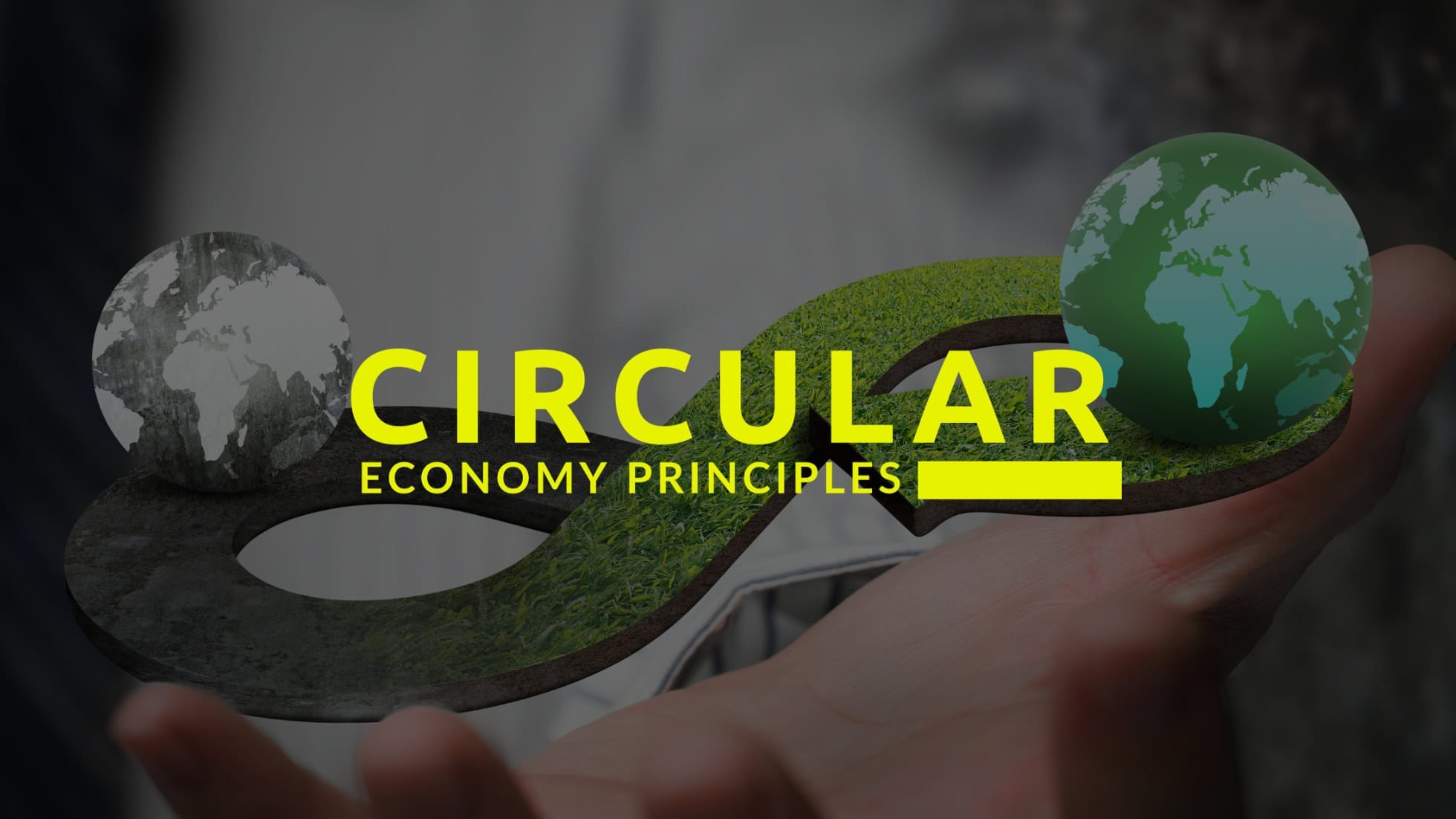
Businesses everywhere are rethinking how products are made, used, and recovered.
The old take-make-dispose model is becoming too risky in a world facing rising material costs, supply chain disruptions, and growing sustainability expectations.
The circular economy offers a different path.
It focuses on designing systems where waste becomes value, materials circulate for as long as possible, and natural ecosystems are protected instead of depleted.
What the Circular Economy Really Means
A circular economy decouples economic growth from resource consumption. Instead of extracting more raw materials, products and materials stay in circulation through repair, reuse, remanufacturing, and recycling.
Research from the Ellen MacArthur Foundation shows that applying circular strategies across key sectors could reduce global emissions by around 40% by 2050.
This makes circularity not only an environmental solution but also a business strategy aligned with future market expectations.
The goal is simple. Create systems that regenerate value instead of destroying it.
Design Out Waste and Pollution
Most environmental impacts are decided at the design stage.
This is why circularity encourages businesses to rethink material choices, manufacturing processes, and product lifecycles.
Using recyclable, compostable, or modular components gives products a longer life. Cleaner production methods powered by renewable energy reduce emissions and pollution from the start.
Global assessments published by the UN Environment Programme highlight that better design can significantly reduce waste across manufacturing industries, strengthening long-term resource security for businesses.
When waste is designed out early, efficiency improves everywhere else.
Keep Products and Materials in Use
Keeping materials circulating creates more value than constantly extracting new ones. This principle includes reuse, repair, refurbishment, remanufacturing, and recycling.
Many companies are now experimenting with leasing models or product-as-a-service systems that encourage long-term ownership and upkeep instead of single-use consumption.
Studies from the World Economic Forum show that circular business models could unlock up to four and a half trillion dollars in economic benefits by 2030 through new revenue streams and material savings.
The more materials stay in circulation, the more resilient a business becomes.
Regenerate Natural Systems
Circularity is not just about closing loops. It is also about giving back to the environment.
This includes responsible sourcing, switching to renewable energy, using regenerative agriculture, and restoring ecosystems impacted by production.
Initiatives promoted by the World Resources Institute highlight how restoring natural systems strengthens supply chains and improves long-term sustainability for companies dependent on forests, farmland, and water.
Businesses that regenerate resources build a stronger foundation for their future operations.
How Businesses Can Start Adopting Circular Practices
Start by redesigning your business model to reduce disposal and increase recovery. Simple changes, such as take-back programs, repair services, or refurbished product lines, can create immediate value.
Designing for circularity means selecting durable materials, designing parts for easy repair or replacement, and creating products that can be disassembled at the end of their life cycle.
Collaboration is another key. Working closely with suppliers, recycling partners, logistics teams, and customers creates shared responsibility for circular practices.
Educating customers is equally important. When people understand how to return, repair, or reuse products, the system works much better.
Optimising production through renewable energy, reducing waste, and reusing byproducts strengthens operational efficiency and reduces costs.
A few industry Examples
The fashion industry is investing heavily in repair and resale models.
Brands like Patagonia encourage customers to extend product life through their Worn Wear initiatives.
Electronics companies are focusing on refurbishment and closed-loop recycling.
Dell runs responsible recovery programs that accept devices from any brand, turning old materials into new assets.
Furniture companies are adopting take-back systems and designing products for easy disassembly.
IKEA offers buy-back programs to keep furniture in circulation.
Food businesses are reducing waste through composting, regenerative agriculture, and turning byproducts into compost or bioenergy.
These examples show that circularity is adaptable for any sector.
Why Businesses Should Adapt Circularity
Circular practices reduce long-term costs, protect against supply risks, and increase operational efficiency.
They build brand value with customers who increasingly prefer responsible companies.
They prepare businesses for future regulations and make sustainability a competitive strength instead of an obligation.
Most importantly, circularity helps businesses stay resilient as the world moves toward resource-conscious systems.
The circular economy is not a trend. It is a smarter way to design long-term value.
Companies that adopt circular principles reduce waste, strengthen their supply chains, improve customer trust, and contribute to global sustainability goals.
Circular business models offer a chance to innovate and thrive in a future where resources are more valuable than ever.
Are you a sustainable business looking for a platform to help scale your presence? From customers to investors, our Sustainable Business Directory helps you connect and grow with like-minded individuals who share your passion for the planet.