Form Energy Raises the Stakes with Iron-Air Batteries Backed by Bill Gates and Jeff Bezos
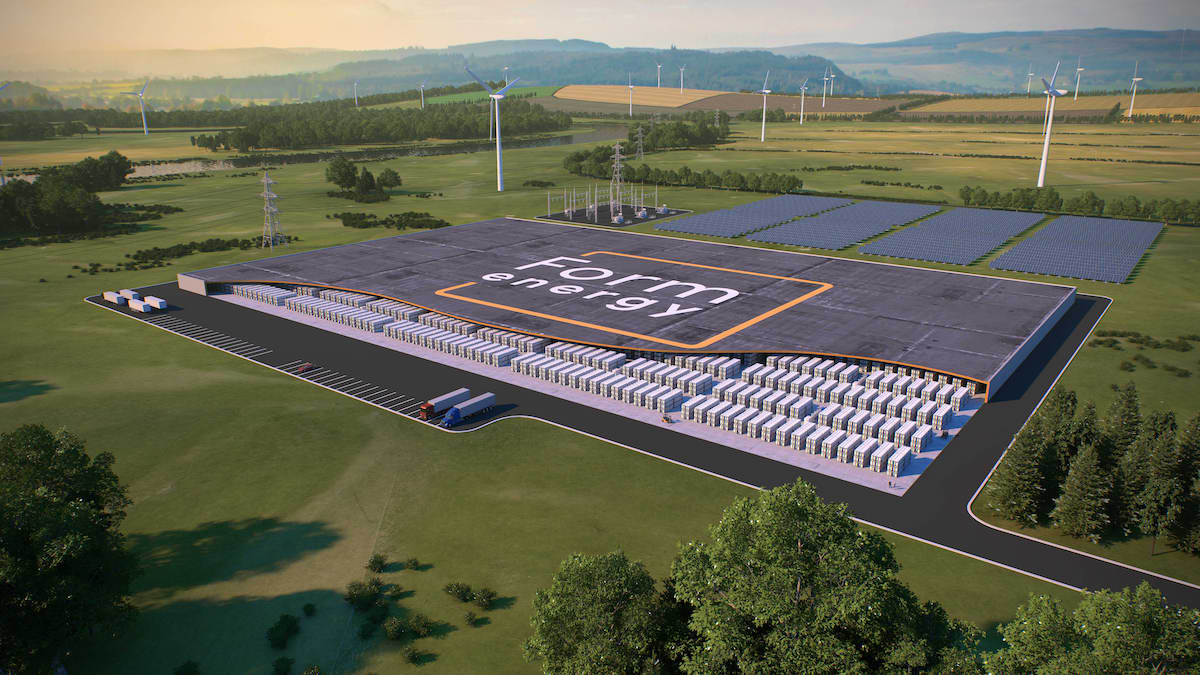
Form Energy, a Massachusetts-based startup, is building what could become one of the most important technologies in renewable energy storage. With backing from Bill Gates, Jeff Bezos, Richard Branson, and ArcelorMittal, the company is developing iron-air batteries that promise to store renewable power for up to 100 hours at a fraction of the cost of lithium-ion systems.
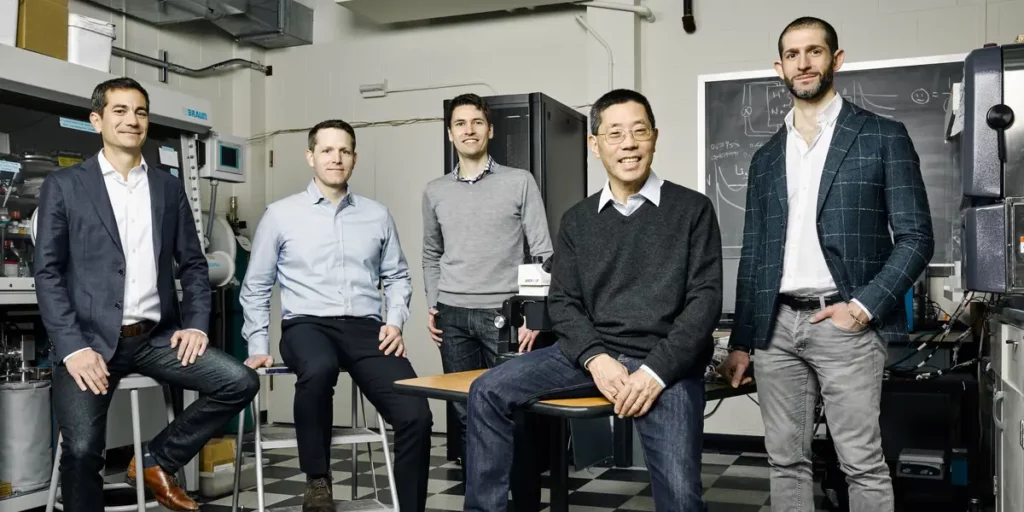
The first commercial manufacturing facility, a $760 million investment, is under construction in Weirton, West Virginia. Once operational, the factory is expected to create hundreds of jobs while reusing a region with a long history of steelmaking, linking traditional industry with the clean energy transition.
Why Iron-Air Batteries Matter
The central challenge of renewable energy is variability. Solar and wind produce more power than needed on some days and far too little on others. Today, grid operators often rely on gas and coal plants to balance these gaps, which undermines climate targets. Long-duration storage, capable of providing multi-day backup, is the missing piece for running grids on nearly 100% clean energy.
Iron-air batteries work by a process known as reversible rusting. During charging, electricity is used to strip oxygen from iron, producing metallic iron. During discharging, the iron reacts with oxygen from the air, releasing the stored energy. The inputs are inexpensive and abundant: iron, water, and air.
Unlike lithium-ion batteries, which rely on scarce and geopolitically sensitive minerals such as cobalt and nickel, iron is the most widely used metal on Earth. This makes the technology not only cost-competitive but also more sustainable.
Cost and Scale Advantages
Form Energy claims its iron-air system can deliver energy storage at less than $20 per kilowatt-hour, compared with the $140 to $200 per kilowatt-hour typical for lithium-ion batteries. This sharp reduction could change the economics of renewable power. A single module can deliver 100 hours of electricity, bridging multi-day weather events like the “Dunkelflaute” in Europe, when both wind and solar output drop simultaneously.
The company’s first customers include Great River Energy in Minnesota, which is working on a 1 MW/150 MWh demonstration project. If successful, these projects could pave the way for utility-scale deployment across the US and other regions working to phase out coal and gas.
Environmental and Business Implications
The materials used in iron-air batteries are non-toxic and easy to source, reducing environmental impact compared with conventional battery production. Longer lifespan and easier recycling further enhance the sustainability case.
For businesses, long-duration storage represents a pathway to stable renewable energy pricing. Utilities could secure power during peak demand without relying on fossil fuel peaker plants. Industrial clusters could integrate renewables more efficiently, lowering energy bills and carbon footprints simultaneously.
The West Virginia factory is strategically located on a river, providing easy transport access, and reconnects the region to its heritage of iron production. According to CEO Mateo Jaramillo, the facility is part of Form Energy’s mission to deliver “affordable, dispatchable clean energy to meet the world’s needs.”
The Bigger Picture
Form Energy is part of a larger wave of billion-dollar bets on clean energy. Breakthrough Energy Ventures, founded by Bill Gates, is funding dozens of startups across energy storage, carbon removal, and green hydrogen. Companies like Form Energy highlight how capital, policy, and science are converging to address the bottlenecks of a renewable economy.
With commercial deployment expected by 2024, iron-air batteries may soon play a central role in global decarbonization strategies. If costs scale as promised, this technology could unlock reliable, 24/7 renewable grids and provide a business case for replacing fossil fuel plants worldwide.