









Table of Contents
BYD (Build Your Dreams), a global leader in electric vehicles (EVs), is rapidly expanding its footprint in India, driving the country’s shift toward clean and sustainable mobility. The automaker’s strategy combines advanced EV technology with hybrid innovation, offering vehicles that cater to both urban commuters and adventure enthusiasts while reducing carbon emissions and promoting greener transportation solutions.
BYD’s Growing Presence in India
BYD has already made waves with models like the fully electric Atto 3 SUV and the Seal sedan, which have been praised for performance, affordability, and sustainable technology. These launches reflect the increasing consumer demand for eco-friendly transportation in India, where electric mobility is gaining momentum thanks to government incentives and corporate sustainability commitments. According to IEA’s Global EV Outlook, India is one of the fastest-growing EV markets in the world, making it a key battleground for automakers like BYD.

The latest addition, the Bao 5 SUV, combines plug-in hybrid technology with rugged SUV capabilities, positioning it as a versatile and sustainable choice for Indian drivers.
Introducing the Bao 5: Hybrid Power Meets SUV Versatility
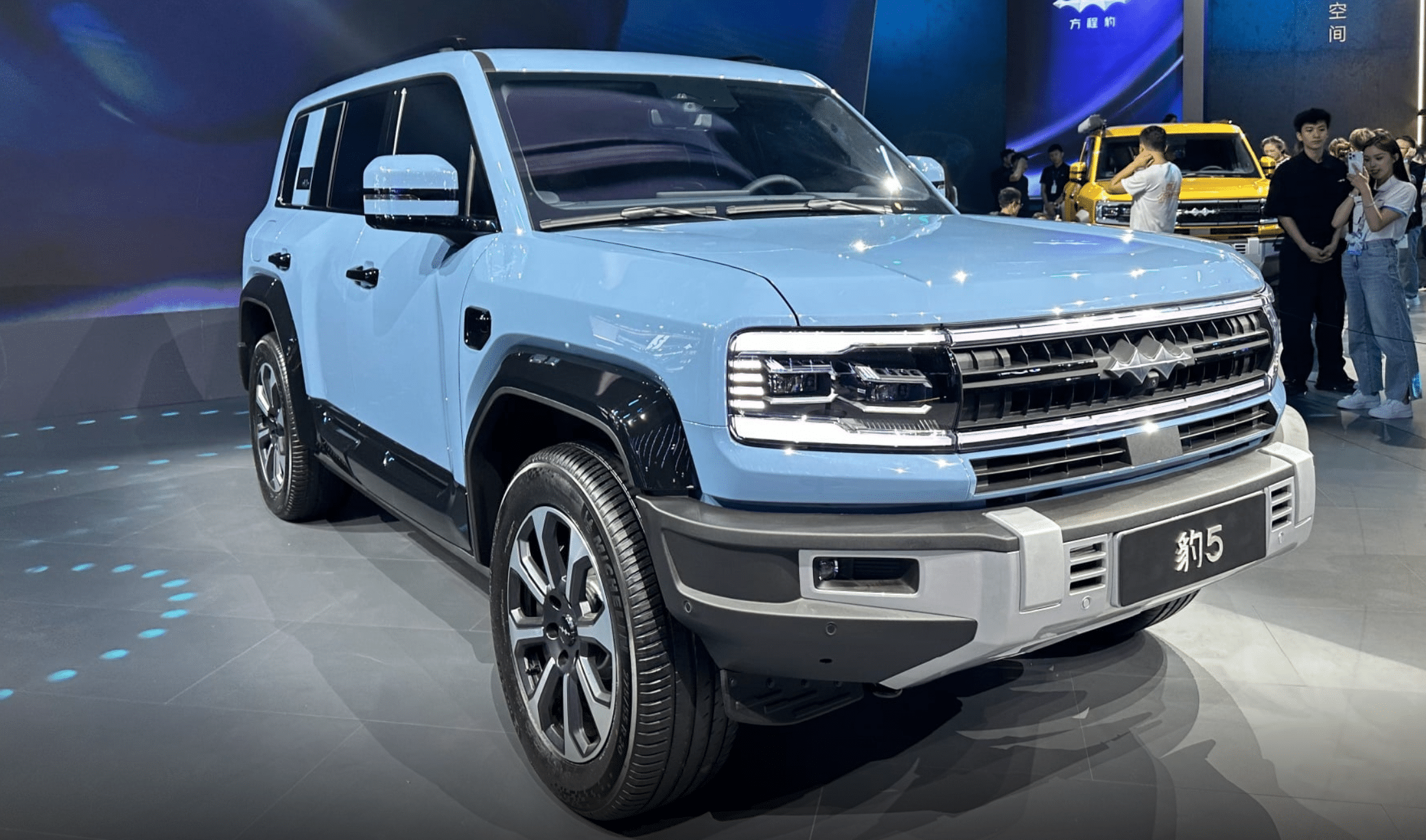
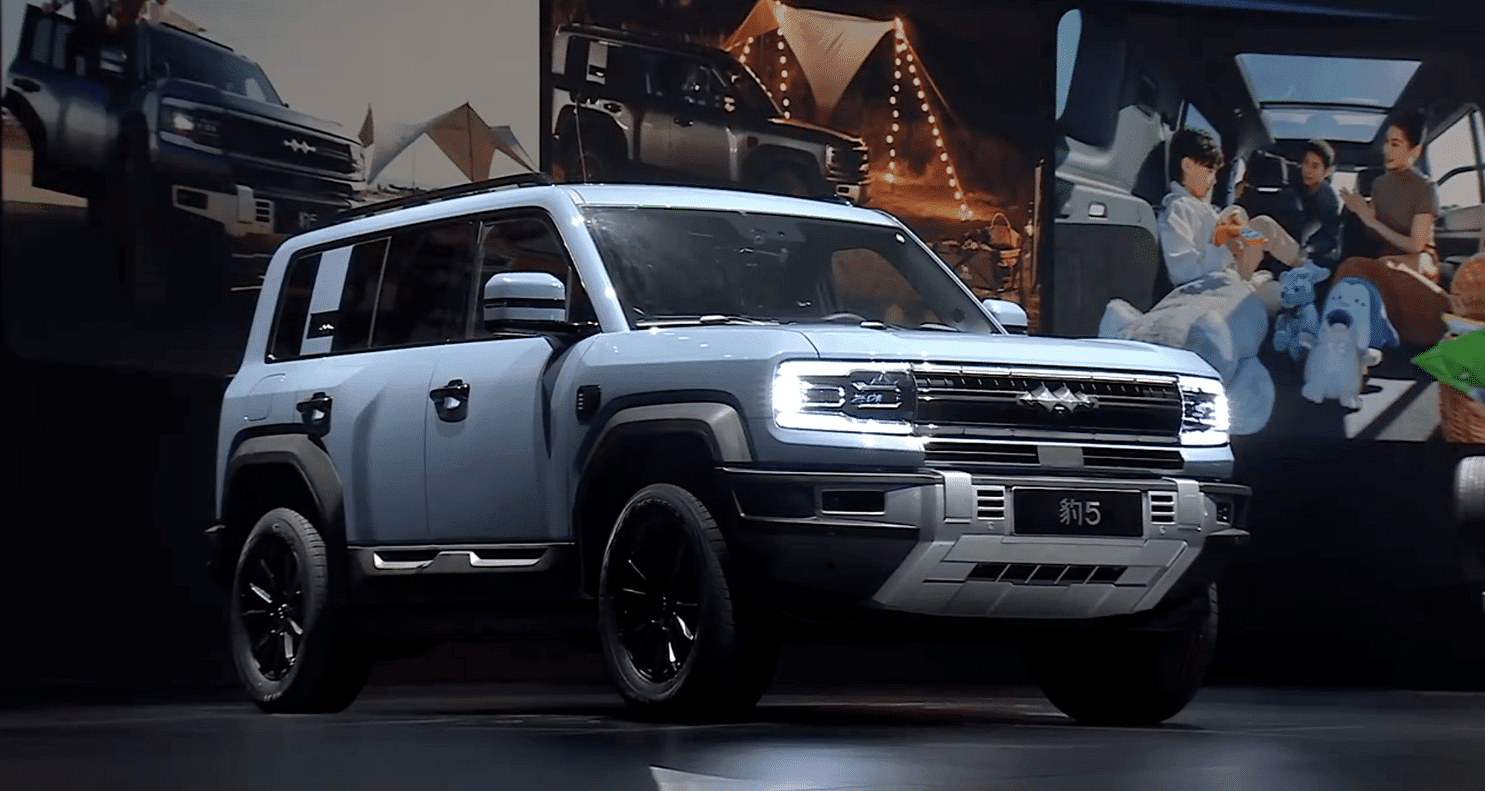
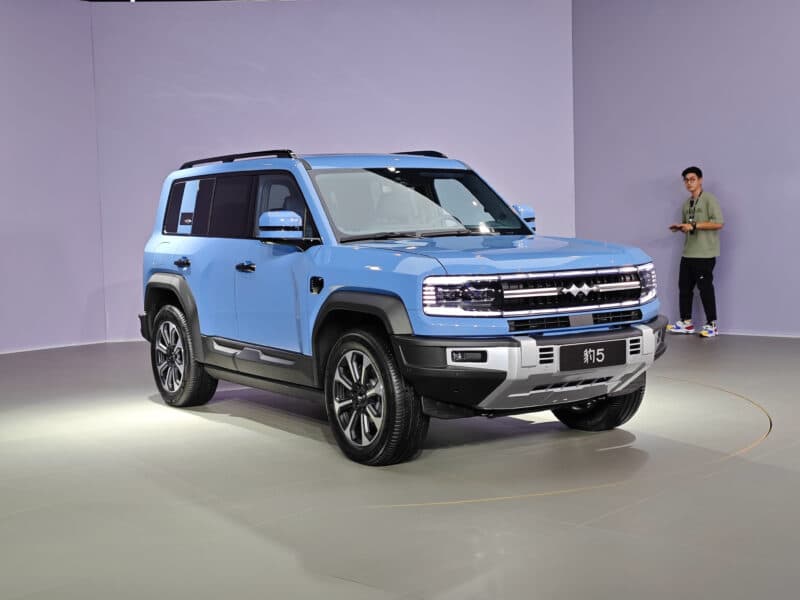
Launched in China and Europe, the Bao 5 SUV draws design cues from iconic models like the Land Rover Defender and Ford Bronco. Its bold exterior, including a high-set bonnet and muscular wheel arches, reflects its off-road capabilities, while a floating roof design adds modern flair.
The Bao 5 is equipped with dual electric motors and a 1.5L turbo petrol engine, delivering a total output of 505 kW and 760 Nm of torque. Despite weighing 2.8 tons, it accelerates from 0–100 km/h in just 4.8 seconds in sports mode. On the efficiency side, the SUV can travel up to 125 km on electric power alone, with hybrid operation averaging 7–8 liters per 100 km in city driving, supporting a cleaner footprint compared to traditional ICE vehicles.
By offering a hybrid alternative, BYD helps bridge the gap for consumers hesitant to adopt full EVs due to charging infrastructure concerns, supporting India’s transition to low-carbon transportation. More on how technology drives corporate carbon reduction can be explored in this sustainability insight.
Efficient Battery and Charging Solutions
The Bao 5 comes with a 31.8 kWh LFP Blade battery, capable of 100 kW DC fast charging. A 30–80% charge takes just 16 minutes, making it practical for daily commuting and long-distance trips. Its vehicle-to-vehicle (V2V) charging and 6 kW external discharge functionality highlight BYD’s focus on sustainable energy use, allowing the battery to support other devices or vehicles in emergencies.
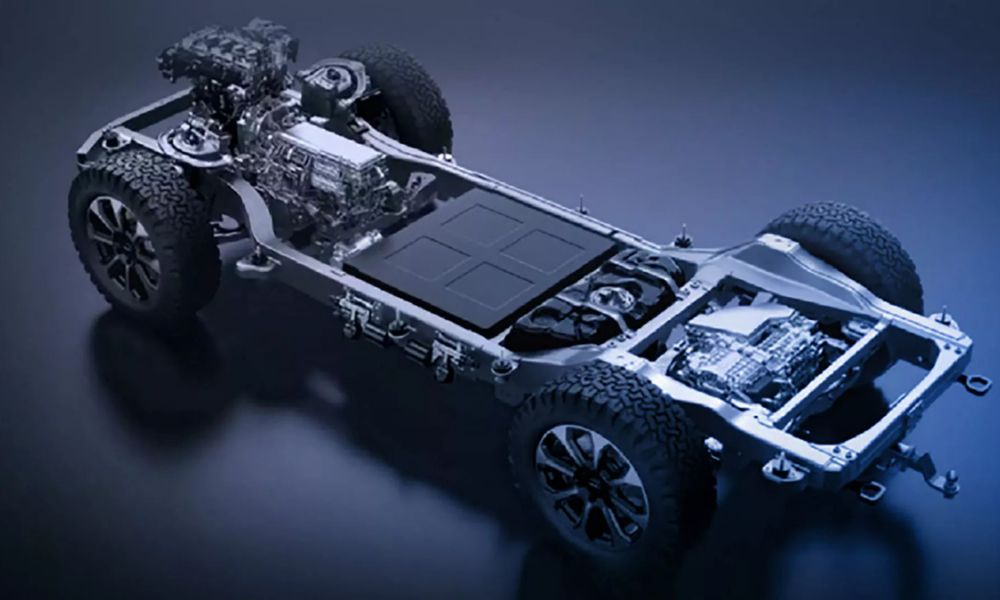
This aligns with broader trends in sustainable automotive design, where electric and hybrid vehicles serve as energy storage hubs, enabling smarter energy consumption in cities and communities.
Interior Technology and Safety
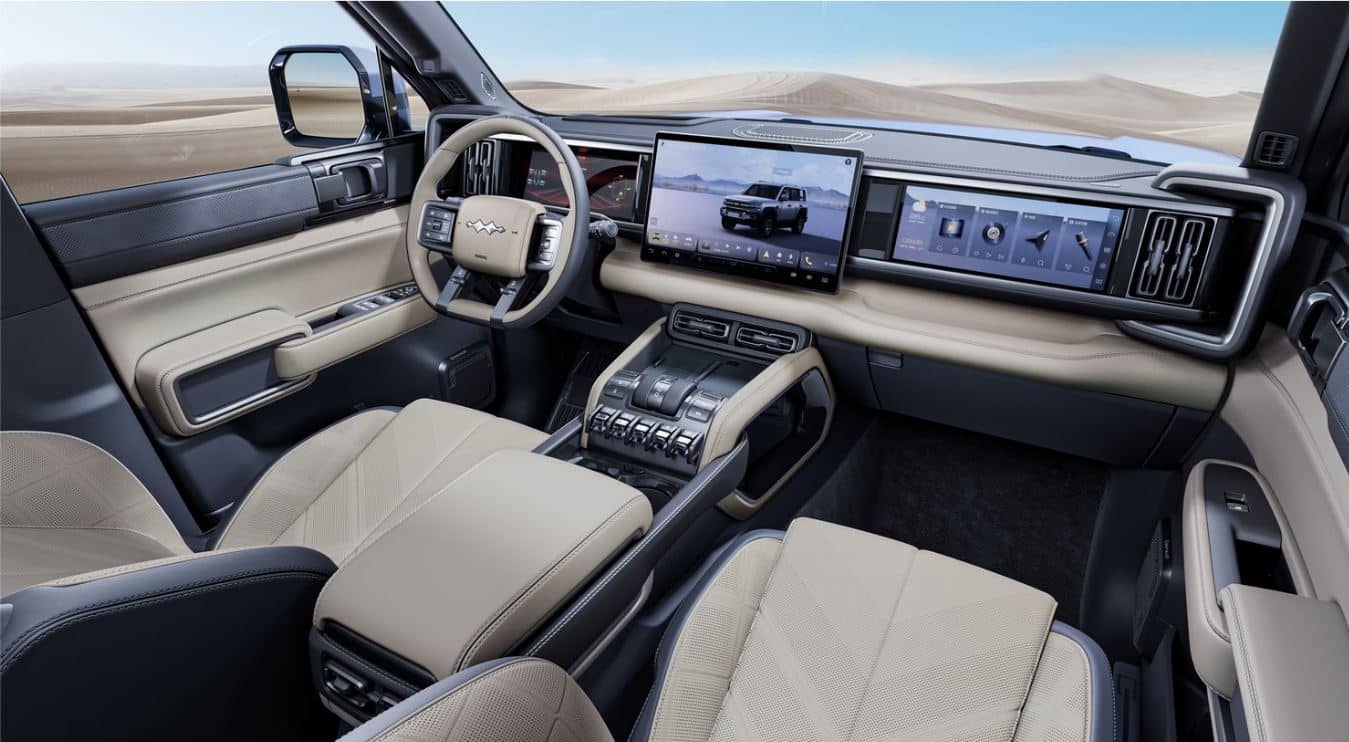
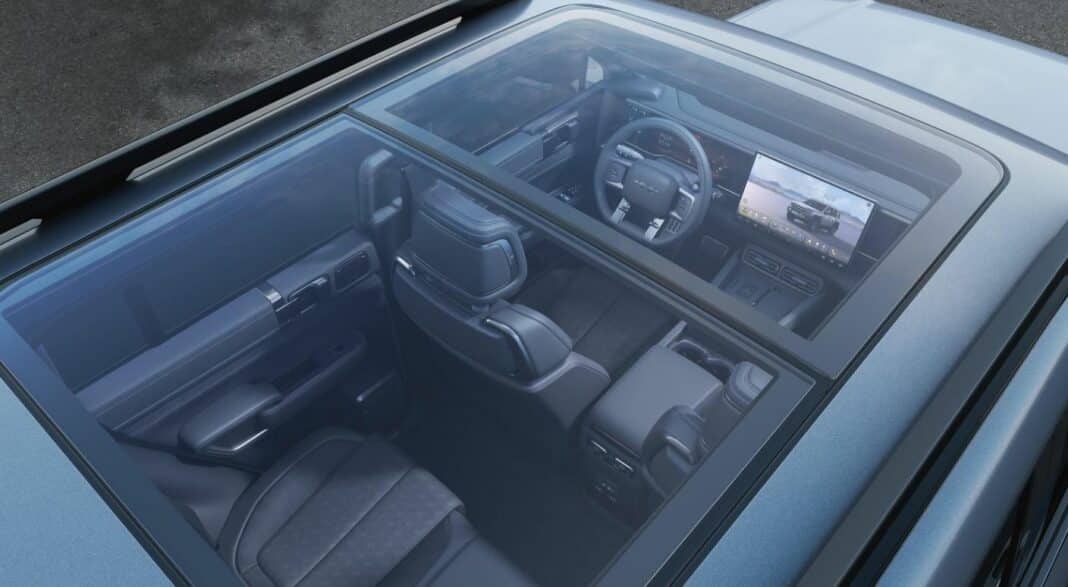
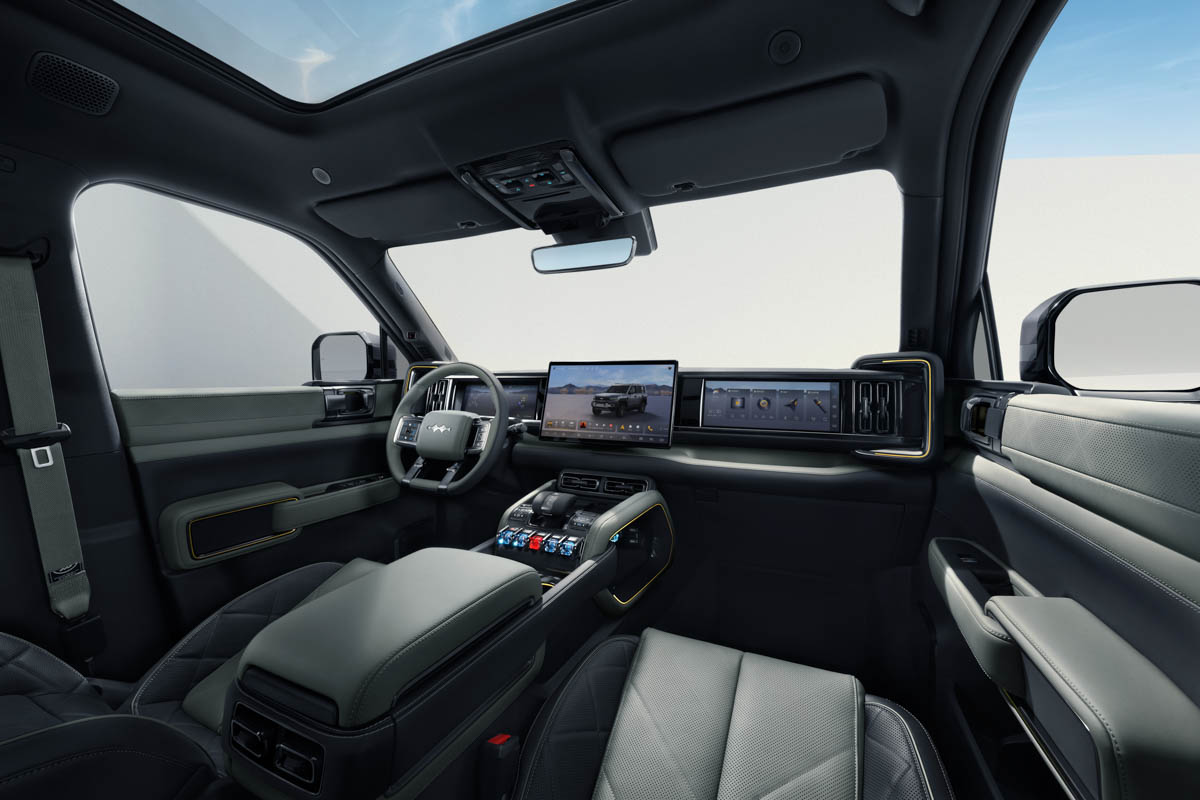
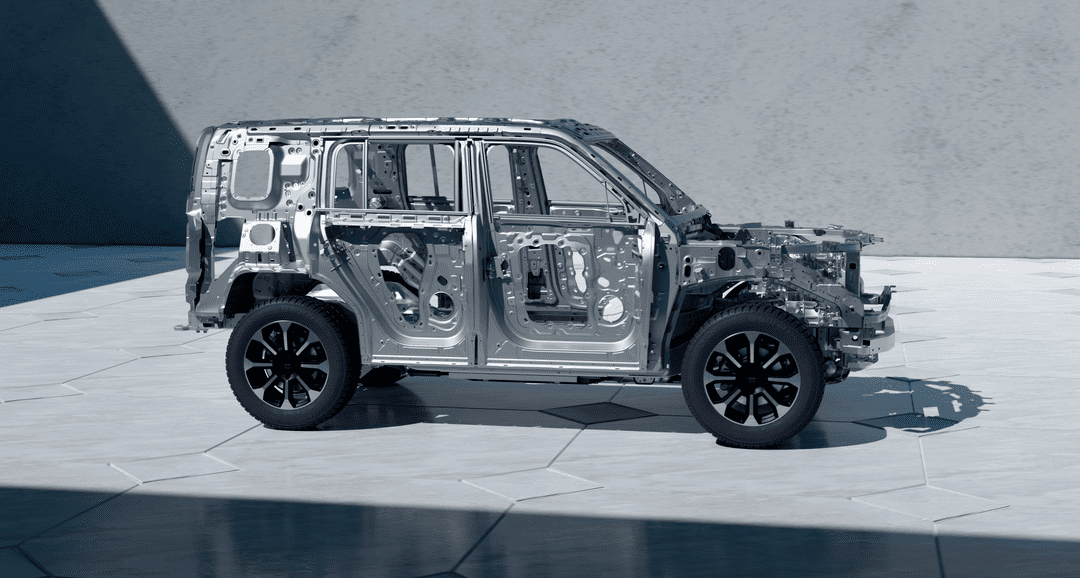
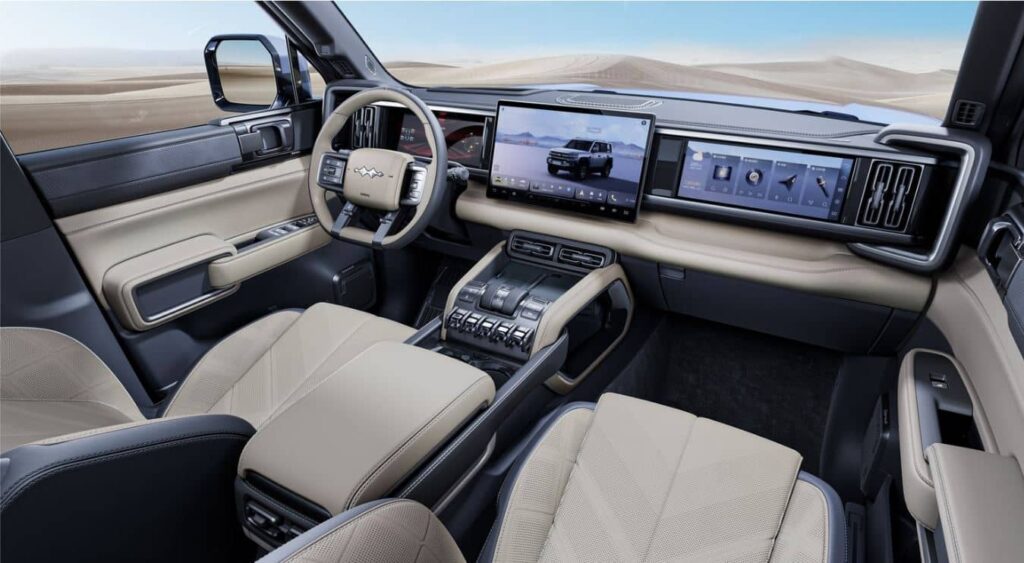
Inside, the Bao 5 blends rugged SUV aesthetics with high-tech functionality. The triple-screen digital cockpit offers real-time information on battery usage, energy recovery, and hybrid efficiency, helping drivers adopt eco-friendly driving habits. The L2+ Advanced Driver Assistance System (ADAS) ensures safety, while structural reinforcements and a multi-layer safety frame protect occupants and the battery during impacts.

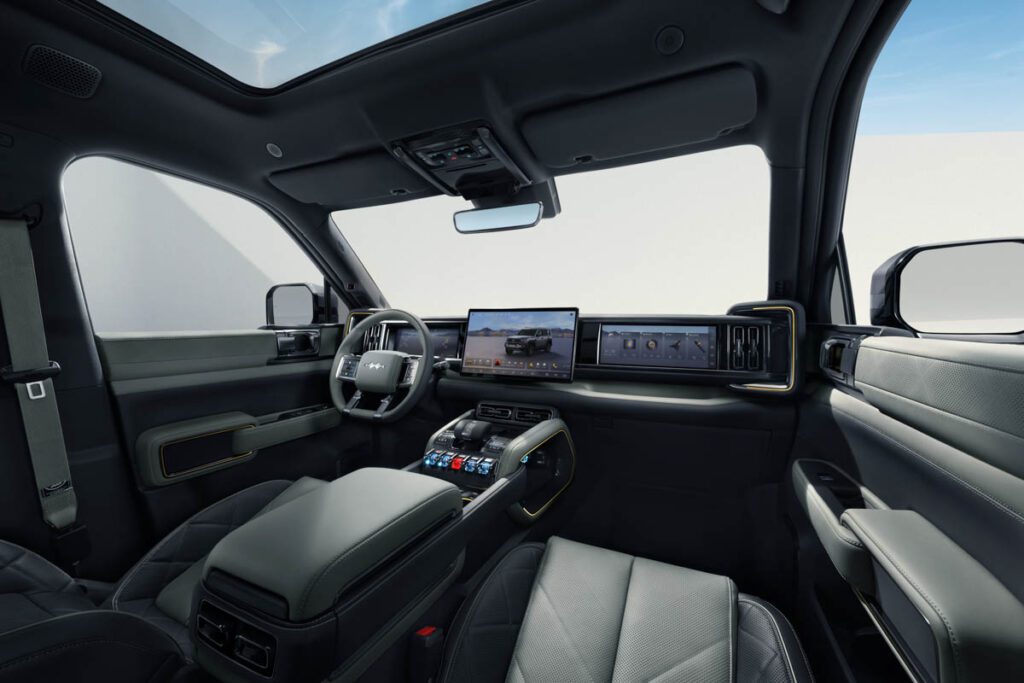
Sustainable vehicle safety is increasingly critical, as research shows that improved EV safety reduces overall environmental and social costs associated with vehicle production and accidents.
Off-Road Performance Meets Green Mobility
While the Bao 5 excels in urban settings, its robust chassis, high ground clearance, and locking differentials enable confident off-road driving. Even in rugged conditions, its hybrid system maintains low emissions compared to conventional SUVs. For Indian consumers seeking adventure without compromising environmental responsibility, this SUV represents a new category of sustainable adventure vehicles.
Strategic Impact on India’s Clean Mobility Ecosystem
BYD’s entry with the Bao 5 SUV supports India’s EV and hybrid market growth, helping the country meet its net-zero emissions target by 2070. By providing hybrid alternatives, BYD also alleviates range anxiety, encourages wider adoption of clean mobility, and strengthens the sustainable automotive supply chain, from battery production to charging infrastructure.

Corporate adoption of such vehicles, along with incentives for cleaner transportation, can reduce greenhouse gas emissions and demonstrate leadership in sustainability. Businesses that integrate EVs and hybrid fleets into operations often benefit from reduced fuel costs, improved ESG ratings, and stronger brand credibility.
Pricing and Availability
In China, the Bao 5’s price ranges between 239,800 to 302,800 yuan ($33,000 to $41,700), following a strategic reduction to attract mainstream buyers. While official launch details for India are pending, the SUV is expected to arrive during peak festive season demand, potentially capturing both private buyers and corporate fleets seeking low-emission transport solutions.
The BYD Bao 5 SUV exemplifies how hybrid innovation can accelerate clean mobility transitions in India. By combining electric power with hybrid versatility, cutting-edge safety, and practical off-road capability, BYD is positioning itself not only as a market leader but as a driver of sustainable automotive change.
For businesses and consumers alike, the Bao 5 demonstrates that power, performance, and environmental responsibility can coexist, highlighting the next chapter in India’s journey toward low-carbon mobility.





Happy about overall performance