Understanding Scope 1 Scope 2 and Scope 3 Emissions for a Low Carbon Future
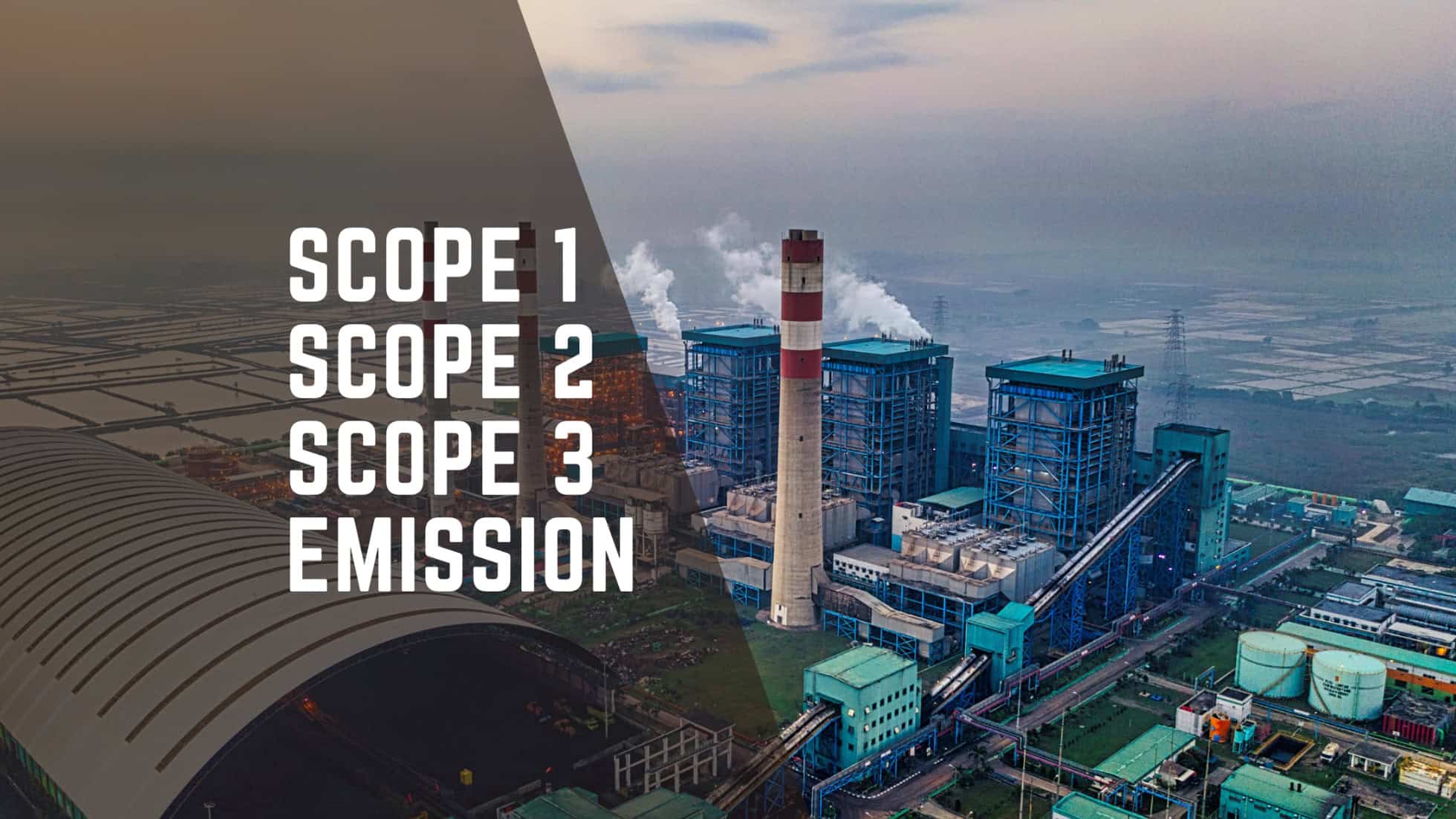
If you are building anything in sustainability today, you are going to bump into the terms Scope 1, Scope 2 and Scope 3 sooner than you expect.
Every climate report, ESG rating, and investor deck quietly revolves around these three buckets.
They come from the Greenhouse Gas Protocol, one of the most widely used frameworks for corporate emissions measurement.
But instead of giving you a dry academic explanation, let us walk through what these scopes actually look like in the real world.
What Scope 1 Really Means Inside a Business
Scope 1 emissions are direct emissions from sources a company owns or controls.
Think about fuel burned in your own vehicles, Machinery running in your facility, Backup generators you switch on during power cuts or even something as unglamorous as refrigerant leaks from AC units.
All of these fall under Scope 1 because they come straight from assets you own or operate.
- A brewery generates Scope 1 emissions from fuel used to power forklifts, heat water, and run its brewing equipment.
- Restaurants and hotels emit Scope 1 gases from gas stoves, ovens, company-owned vans/trucks, and refrigerant leaks in commercial cooling systems.
Across many industries, Scope 1 usually takes a smaller slice of the pie, somewhere around 10% to 20% depending on the business model.
The good news is that companies have the most control here. Cleaner fuels, modern equipment, better maintenance, and electrification can move the numbers quickly.
IBM’s renewable energy purchases and efficiency measures (such as equipment optimisation) are credited for drastically reducing operational (Scope 1 & 2) emissions by nearly 40% since 2005.
Eco-entrepreneurs can start by switching fuel types, upgrading equipment for efficiency, and electrifying vehicles.
How Scope 2 Connects Your Business to the Grid
Scope 2 is where things get interesting.
These are the emissions created from the electricity or energy you buy. Even if your company is spotless and efficient, your carbon footprint still depends heavily on how clean your power supply is.
- Data centers and technology companies often have high Scope 2 emissions from server farms drawing large amounts of electricity.
- Retail chains’ largest Scope 2 sources are lighting, air conditioning, and refrigeration across stores and warehouses.
- Hotels and food businesses see Scope 2 from kitchen appliances, laundry units, and air conditioning powered by the electric grid.
The International Energy Agency points out that electricity generation alone accounts for roughly 40% of global energy-related CO2 emissions.
So every time your business switches to renewable power or invests in energy efficiency, your Scope 2 footprint drops immediately.
This is why renewable energy procurement, solar installation, and green power purchase agreements have become such major climate strategies.
Scope 3 Where Most Companies Discover Their Real Impact
Here is the big one. Scope 3 emissions come from everything your company influences but does not directly control.
Upstream suppliers, Freight and logistics, Packaging, Customer use of your product, End-of-life disposal, Employee commuting, Business travel, Investments and Everything.
- For a catering company: Scope 3 includes the CO2 impact from the food supplier’s farming/processing (meat, dairy), meal delivery logistics, packaging production, and food waste disposal.
- For a clothing brand: The bulk of emissions are in sourcing cotton/polyester (Purchased Goods and Services), fabric production, global transport, retail energy use, and consumer garment washing and disposal.
And here is the part most founders underestimate. Research from CDP found that Scope 3 emissions can be 26 times higher than a company’s own operational footprint.
This is why Scope 3 becomes the real decarbonization challenge. It requires collaboration, supplier engagement, and sometimes even redesigning the product or service entirely.
Entrepreneurs should engage suppliers to share emissions data, use sustainability scorecards, adopt supplier renewable energy programs, optimize logistics, and promote consumer recycling and low-impact product usage.
Why This Framework Matters for Modern Sustainable Businesses
When you understand these scopes, you can actually build a strategy instead of making generic sustainability claims.
Scope 1 tells you how clean your operations are.
Scope 2 pushes you to adopt renewables.
Scope 3 reveals the hidden emissions that most companies ignore.
This is the level of clarity investors and customers now expect. Brands that understand their scopes are the ones that will survive as climate regulations tighten and sustainability becomes a competitive advantage.
If you are running a sustainable business or planning to build one, these three scopes are your foundation.
They help you measure what matters, set real targets, and track progress in a transparent way.
Once you get this part right, everything else, from carbon reduction to reporting, becomes a lot easier.
Are you a sustainable business looking for a platform to help scale your presence? From customers to investors, our green business directory helps you connect and grow with like-minded individuals who share your passion for the planet.