

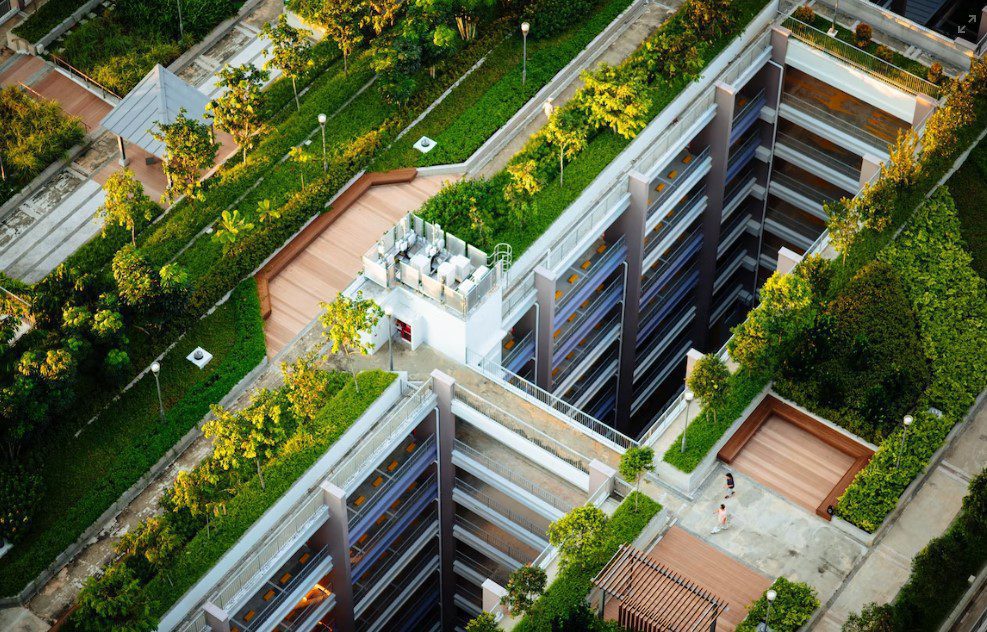
Every office tower, apartment complex, warehouse, and industrial park built over the next decade will need to consume less energy than the one before it. That shift is creating demand for new materials, smarter technologies, retrofit services, and green financing, making building decarbonisation one of India’s major growing business opportunities.
India is experiencing one of the fastest urban transitions in the world. With more than 40% of the population expected to live in cities by 2030, demand for new construction and housing is accelerating.
Table of Contents
Buildings already account for nearly 35% of India’s total electricity consumption, making them one of the country’s largest opportunities for emissions reduction. For businesses, this is as much a commercial opportunity as a climate challenge, with green materials, retrofitting, and smart energy management becoming growing revenue categories rather than optional sustainability initiatives.

For businesses, this is a market opportunity as much as a climate one. Green materials, retrofitting, and smart energy management are becoming a real revenue category, not just a compliance checkbox for sustainable construction.
Why Buildings Matter in India’s Net-Zero Transition
The construction sector’s growth means the emissions math only gets harder from here without intervention. According to the Bureau of Energy Efficiency, energy demand from buildings could triple by 2040 if sustainable measures aren’t adopted at scale.
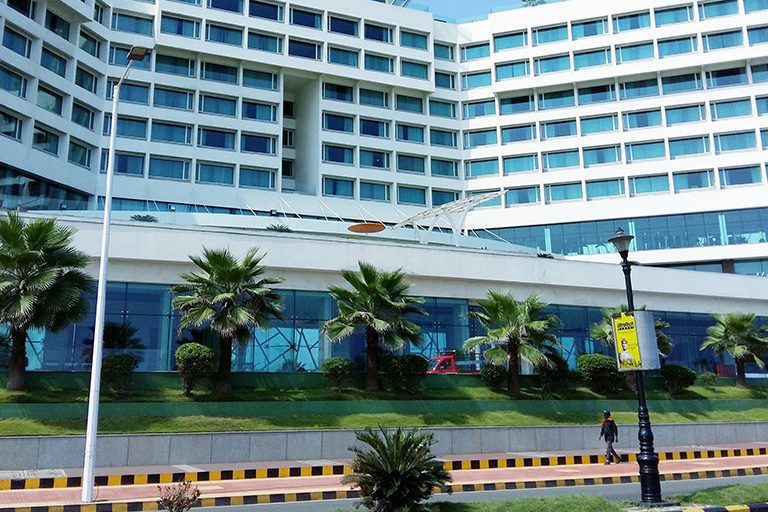
The Energy Conservation Building Code (ECBC) already sets minimum energy performance standards, and it’s compliance with ECBC — not general awareness — that’s driving most of the near-term investment decisions covered below, from materials sourcing to HVAC automation.
That makes it worth understanding both as a compliance baseline and as the standard that green-certified projects are increasingly built above.
Key Emerging Technologies Transforming Green Buildings
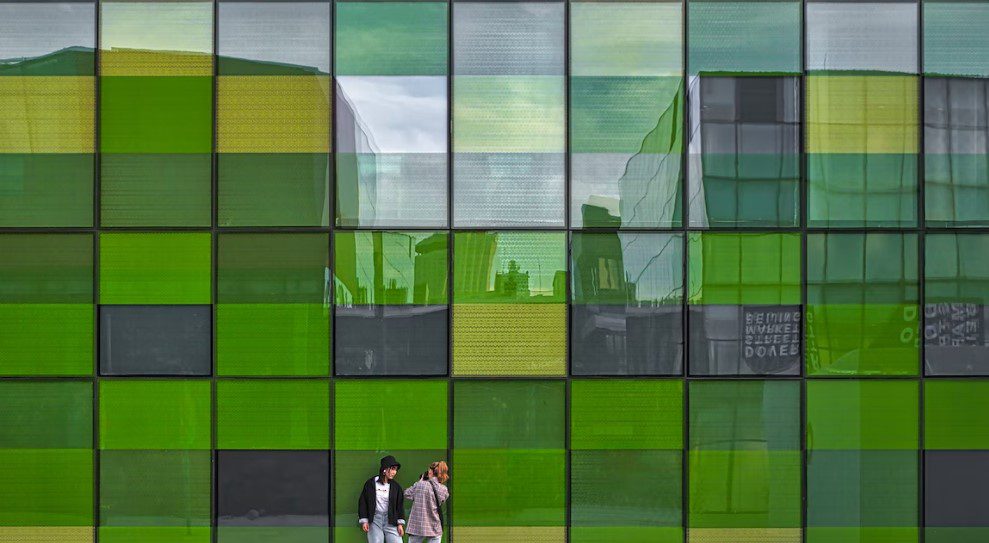
Smart Building Materials
Materials account for a large share of a building’s lifetime emissions before it’s even occupied.
Fly-ash cement and recycled steel typically cost 5-15% more upfront than conventional materials, but developers pursuing IGBC or GRIHA certification recover that through faster leasing and lower long-term maintenance.
For manufacturers, this is a growing supply category: cement companies that can prove lower embodied carbon are increasingly winning institutional and government contracts, where sustainability criteria are now part of procurement.
Energy-Efficient Design and Automation
IoT-enabled sensors and automated HVAC/lighting systems are becoming standard in new commercial builds, and buildings compliant with the Energy Conservation Building Code can cut energy use by close to 50% compared to conventional construction.
That’s a direct line to operating cost, which is why the pressure to adopt is coming from tenants and investors, not just regulators: as of late 2024, 95% of assets rated by CRISIL Ratings were green-certified, and nearly all office REIT stock had achieved green certification. For commercial landlords, automation isn’t optional anymore if they want to compete for institutional tenants.
Renewable Energy Integration
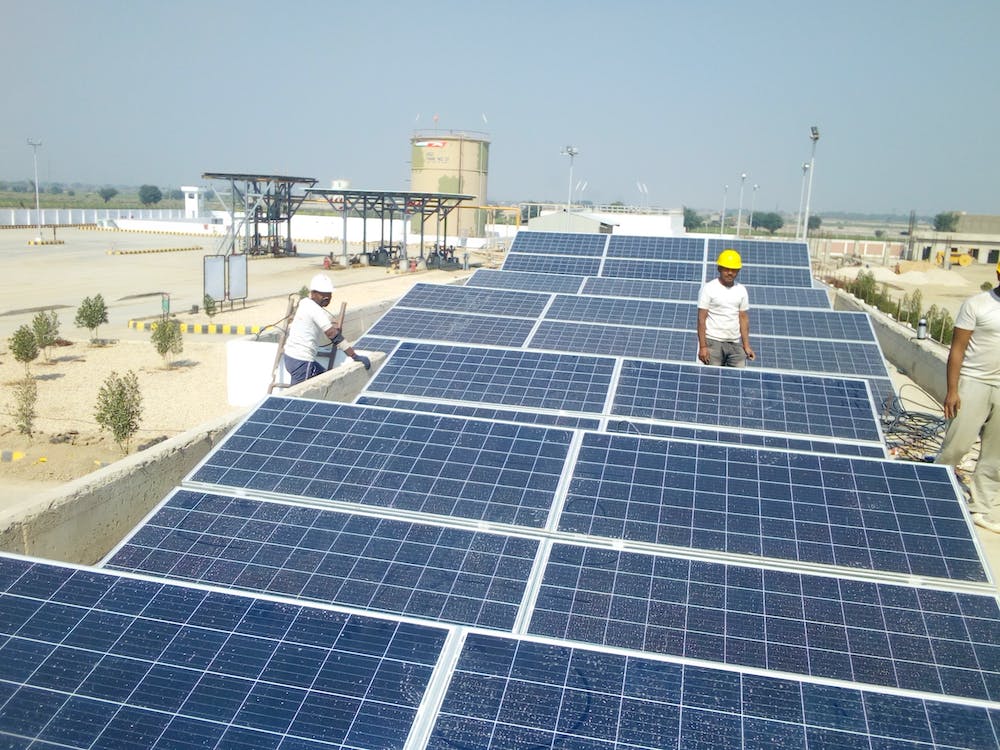
Rooftop solar and building-integrated photovoltaics (BIPV) let a building generate its own power instead of just consuming less. For commercial owners, this converts an operating expense (grid electricity) into a fixed, depreciable asset, which is increasingly how CFOs are choosing to evaluate it rather than as a sustainability line item.
The International Energy Agency’s outlook points to India as one of the fastest-growing solar markets globally, and net-metering policies in most states now make it straightforward for building owners to sell surplus power back to the grid.
Green Cooling Technologies
Cooling is India’s fastest-growing source of building energy demand, and it’s also the hardest to solve with efficiency measures alone since rising incomes mean more households buying their first air conditioner.
District cooling systems (shared chilled-water networks serving multiple buildings) are gaining traction in large commercial developments because they cut peak electricity demand and lower per-building capital cost compared to individual chiller plants. For developers planning large campuses or townships, this is now a procurement decision made at the masterplan stage, not an afterthought.
Digital Twin and AI for Building Management
Most of India’s building stock over the next decade will be existing buildings, not new ones, which is why AI-based retrofitting is arguably a bigger opportunity than smart design for new construction.
Digital twins let owners simulate energy flows and catch waste before spending on physical upgrades, lowering the risk of a retrofit that doesn’t pay for itself. This is opening a specific niche for startups: energy-auditing and retrofit-planning software sold to building owners who can’t justify a full renovation but need to hit ECBC compliance or certification targets.
Business Opportunities in India’s Green Building Sector
Estimates vary depending on scope, but the direction is consistent: India’s green building materials market alone is projected to grow from around $14 billion in 2024 to $26-27 billion by 2030, according to Grand View Research, while the wider green building market (including services and certification) could reach $70-85 billion in the same window, per IBEF and other industry trackers.
Organizations such as the Indian Green Building Council have helped standardize certification and create market confidence, making it easier for developers, financiers, and occupiers to compare sustainability performance across projects.
Startups working in areas like energy auditing, sustainable materials, and smart construction technologies are seeing increased investment.
Real estate developers are also recognizing that green-certified buildings command higher property values and attract environmentally conscious tenants.
For service providers such as architects, consultants, and retrofitting specialists, this shift represents a major growth avenue.
Green Financing Is Turning Adoption Into an Investment Decision
Banks and financiers are becoming as important to this shift as developers or material suppliers. India’s sustainable debt market, covering green bonds and green loans, topped $55.9 billion in 2024, with $5.5 billion in labelled green-loan deals across 19 corporates in that year alone, according to a Climate Bonds Initiative and MUFG report.
For building owners, this shows up in three concrete ways. Some banks now offer green home loans with preferential interest rates for IGBC or GRIHA-certified projects. Sustainability-linked loans adjust their terms based on measurable performance, like energy use or water efficiency, rather than a flat rate. And commercial developers with strong ESG credentials are increasingly able to access green bonds directly, following the Indian government’s own ₹16,000 crore sovereign green bond issuance in 2023.
This matters because it changes who a developer or retrofitting company needs to be able to talk to. Certification and energy performance data aren’t just marketing assets anymore, they’re becoming the paperwork that determines financing terms.
Case Studies and Early Movers
Some of India’s largest companies are already setting examples. Infosys has designed multiple campuses with advanced smart building systems that reduce energy use by up to 30%.
Developers like Tata Realty and Brigade Group are pursuing IGBC Platinum ratings, showcasing that sustainable construction can coexist with commercial viability. Startups focusing on carbon-neutral materials and energy monitoring platforms are also gaining traction, supported by both investors and government programs.
How Infosys Cut Energy Use Across Its Campuses
Infosys offers one of the most well-documented building decarbonization efforts in India, and the approach is worth understanding step by step.
What they implemented: Starting in the mid-2000s, Infosys began metering energy consumption in every building and chiller plant across its campuses, tracking usage against actual employee headcount rather than just total consumption. That data fed into a systematic retrofit program covering building envelopes, lighting, HVAC, and a centralized Integrated Building Management System, first deployed at its Mysuru campus, that allows remote monitoring and control of energy performance.
The investment: Rather than a single large capital outlay, Infosys treated this as an ongoing retrofit and design standard applied to every new building constructed after 2007, and progressively rolled out across its existing campuses.
The outcome: Infosys now has roughly 25 million square feet certified LEED Platinum or GRIHA 5-star, the largest green-certified office footprint of any Indian corporate. About 44% of the electricity procured for its India operations now comes from renewable sources.
The measurable savings: Between 2008 and 2015, Infosys cut per capita energy consumption across its campuses by 46%, and the reduction has since grown to over 55% versus 2008 levels. That efficiency program has translated into roughly $100 million in avoided electricity costs, alongside a 33.5 MW reduction in connected load from retrofits alone.
The lesson for other businesses isn’t the specific technology, it’s the sequencing: measurement first, then retrofits, then a centralized management layer. That order is what made the savings compound over more than a decade rather than plateauing after the first round of upgrades.
Policy and Regulatory Support Driving Adoption
Beyond ECBC, the incentives are becoming concrete enough to affect project economics directly. Certified green projects can access capital subsidies of up to 25%, and states including Andhra Pradesh, Tamil Nadu, and Telangana offer property-tax rebates of 5-20% for buildings using recycled materials. The updated National Building Code has also made sustainable materials a compulsory design consideration rather than an optional upgrade.
Affordable housing is where this is showing up fastest: the PMAY-U scheme now mandates low-carbon materials like fly-ash bricks and autoclaved aerated concrete, and that single policy shift is estimated to have avoided roughly 9 million tonnes of CO2 by the end of 2024. For businesses evaluating where to invest, this is the clearest sign yet that green compliance is moving from a niche certification into a default procurement requirement.
What Should Businesses Do Next?
The right next step depends on where a business sits in this market:
- Material manufacturers should prioritize low-carbon product certification now, since institutional and government procurement is increasingly filtering on embodied carbon, not just price.
- Commercial developers should evaluate ECBC compliance and certification pathway (IGBC, GRIHA, or LEED) before project planning begins, not after design is locked in, since financing terms are increasingly tied to certification.
- Existing building owners should start with an energy audit before committing to a full retrofit. That data determines whether a phased retrofit or a full overhaul makes financial sense, and it’s also what lenders will ask for if you’re pursuing green financing.
- Startups are better positioned in retrofit software, energy monitoring, and building intelligence than in competing directly in materials or new construction, where capital requirements and incumbent relationships are much higher barriers to entry.
- Financiers and banks evaluating this space should treat certification and energy performance data as underwriting inputs, not just ESG reporting checkboxes, since that shift is already underway in green loan and green bond terms.
Long-Term Vision
Green buildings are moving from niche certification projects to a default expectation in Indian commercial real estate, and the direction of travel is clear: stricter ECBC enforcement, subsidy-linked certification, and investor pressure are reinforcing each other rather than competing. Carbon-neutral materials, AI-driven retrofitting, and reusing construction waste are the next wave, building on the same circular economy thinking already shaping India’s broader clean energy transition.
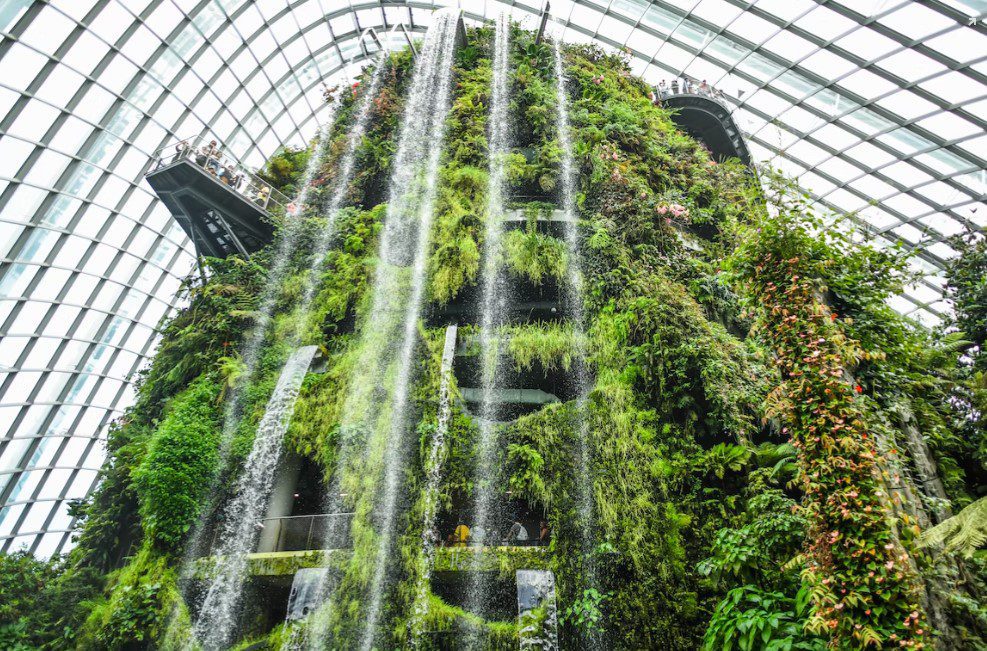
Buildings constructed today will still be operating in 2050, which means today’s choices around materials, energy systems, and building design will shape India’s emissions profile for decades. For businesses, the opportunity extends well beyond compliance. Companies that invest early in low-carbon construction, retrofit technologies, energy intelligence, and green financing capabilities will be better positioned as regulations tighten, investor expectations rise, and sustainable buildings become the market standard rather than the exception.