Lakshadweep’s Solar Storage System Has Saved ₹2.5 Billion And Proved Why Islands Should Invest In Energy Independence
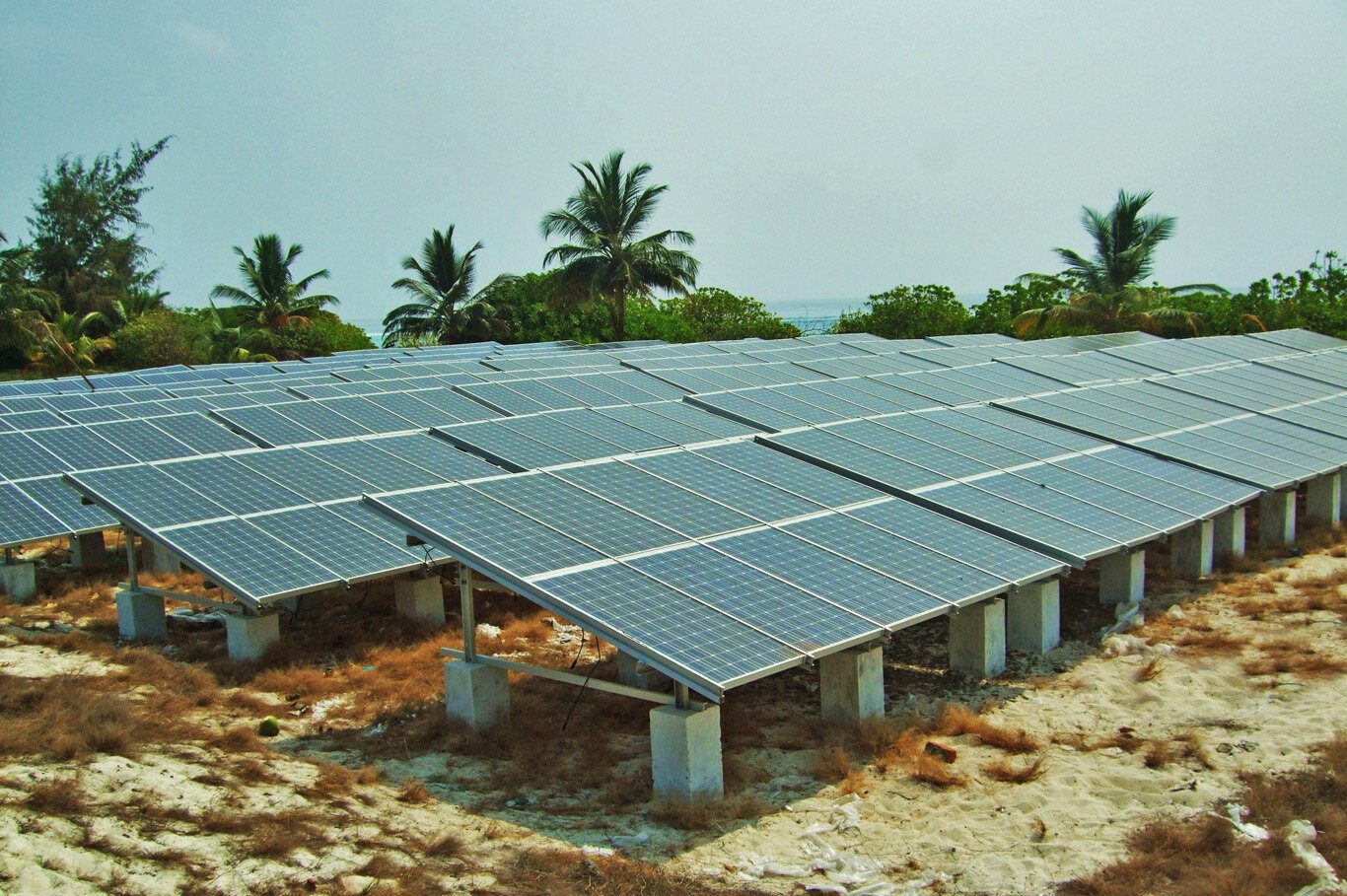
Table of Contents
Lakshadweep depended on diesel shipments for power generation for decades. Transporting fuel from the mainland was expensive, unpredictable, and operationally inefficient.
That changed when the territory commissioned its first solar-storage-based electricity project, which has been reported to deliver projected savings of about ₹2.5 billion according to analysis published on Mercom India.
How Solar Plus Storage Works In Remote Locations
The central government announced the commissioned project through the official notification published on the Press Information Bureau announcement, documenting the installed capacity and diesel-offset potential.

The system stores daytime solar generation and discharges that energy during evening peak hours, reducing the need for diesel generator runtime.
This is commercially significant because energy-demand curves on islands often peak when sunlight reduces. Storage bridges that gap without requiring additional fuel movement, generator cycling, or manual supervision.
Why Islands Benefit More Than Mainland Regions
Islands face three distinct costs for every unit of diesel consumed: transport, storage, and generator maintenance. When each of those functions reduces, savings compound.
Based on IRENA’s report on island storage ecosystems, replacing diesel-powered grids with battery-integrated solar systems improves cost stability and reduces fuel-transport risks for island regions.
Lakshadweep is now a working case where those outcomes are measurable rather than theoretical. The savings accumulate primarily through
- lower diesel purchase frequency
- Reduced barge-shipment dependency
- lower equipment cycling and wear
- fewer emergency backup activations
The numerical value referenced in the Mercom assessment ties the savings to project lifecycle operations rather than subsidies.
Environmental Outcome Beyond Cost
Diesel-based systems generate emissions and involve storage-risk exposure near coastal zones.
Reducing diesel storage reduces the risk of accidental coastal contamination, something that applies specifically to lowland saline territories.
Lakshadweep now covers peak-hour electricity using stored solar power instead of diesel, reducing fuel consumption and generator runtime.
What Makes Lakshadweep’s Model Replicable
Regions that rely on diesel to maintain base-load consumption can replicate this model.
Island-scale electricity systems share similar traits: isolated grids, high transport input costs, service delays, and local environmental vulnerabilities.
Decentralised storage reduces energy-security risk for remote islands because it eliminates fuel-supply dependence, based on IRENA’s report on island storage ecosystems.
Why Businesses Should Pay Attention
This shift creates a structured service market around
- maintenance-inclusive EPC deployments
- predictive monitoring layers
- microgrid-stability software
- commissioning-linked financing
Because savings are OPEX-based, not CAPEX-based, private players can price outcomes directly into contracts.
Diesel dependency is now replaced by measurable generation capacity, creating revenue-freeing potential at the state level.
Remote districts, autonomous communities, and coastal-belt administrations can evaluate similar execution frameworks by mapping consumption windows, logistics frequency, and local generation potential.
Lakshadweep’s energy transition is not merely environmental positioning. It is an economically validated shift. A diesel-based grid has been replaced by a generation-storage model that reduces volatility and increases availability.
It is measurable, reportable, and operationally repeatable. Remote regions willing to apply the same capacity-planning logic can follow similar execution paths without waiting for mainland grid-expansion programmes.