Greening Indian Shipping Sector with Opportunities for Sustainable Businesses
Table of Contents
India’s shipping industry is entering a new era where sustainability is no longer optional but essential. The Ministry of Ports, Shipping, and Waterways (MoPSW) has set ambitious goals to decarbonize by 2030 and reach net zero by 2070. While these timelines are ambitious, the groundwork is already being laid today, creating opportunities for businesses and innovators in clean energy, port operations, and maritime technology.
Why Green Shipping Matters for India’s Economy
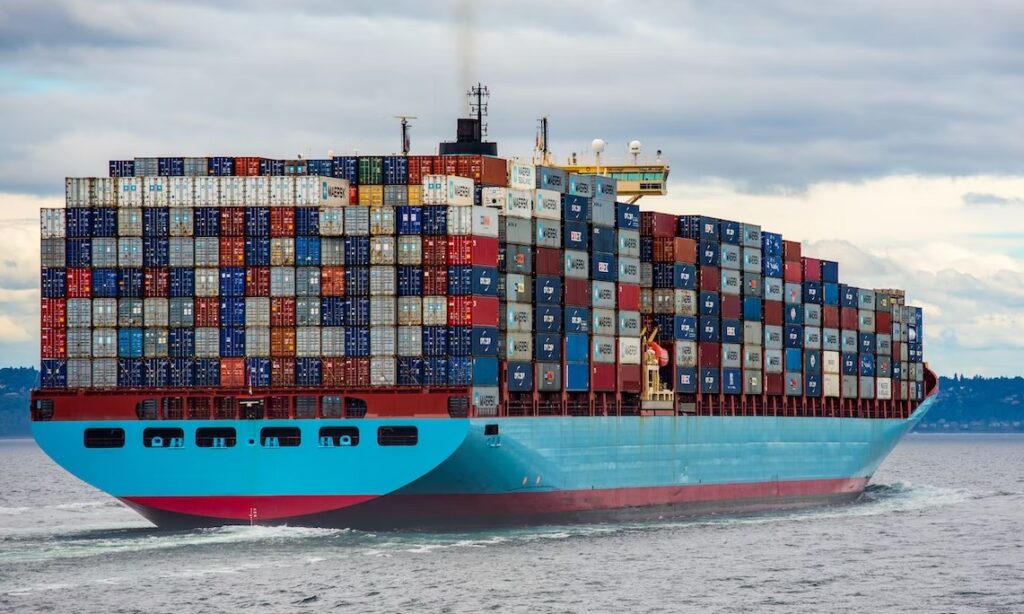
Shipping is a critical component of international trade, connecting India to global markets. Currently, fossil fuels supply nearly all the energy for ships, and emissions are a growing concern. The International Maritime Organization has highlighted that without intervention, shipping emissions could rise by 50 to 250% by 2050 compared to 2008 levels.
For India, green shipping is more than an environmental target. It supports the development of a sustainable blue economy, modernizes port infrastructure, and strengthens India’s position in global trade networks. Decarbonization also opens avenues for adopting advanced technology, renewable fuels, and cleaner logistics solutions.
Government Roadmap and the Role of Partnerships
The government has introduced multiple initiatives to reduce emissions from ships and ports. A key initiative is the establishment of the National Centre of Excellence in Green Ports and Shipping (NCoEGPS) in collaboration with TERI and major port authorities. This center focuses on research, technology transfer, and the adoption of alternative fuels for shipping.

Public-private partnerships are being encouraged to develop green corridors, electrify cargo handling equipment, and integrate renewable energy solutions into port operations. These collaborations are expected to accelerate the adoption of low-carbon practices and provide frameworks for long-term sustainability.
Emerging Opportunities for Sustainable Maritime Solutions
As India moves toward its 2030 decarbonization goals, several sectors are seeing growth and innovation opportunities:
- Clean fuels Startups and companies developing biofuels, hydrogen, ammonia, and LNG for maritime use can play a critical role in reducing carbon emissions.
- Green port infrastructure Ports are adopting renewable energy, electrifying equipment, and implementing advanced waste management, creating a demand for technology and service providers.
- Digital and energy efficiency solutions AI-based logistics optimisation, emission monitoring systems, and predictive analytics, are increasingly important for sustainable operations.
- Shipbuilding and retrofitting Innovation in low-emission vessel design and retrofitting existing ships for cleaner fuels is creating space for Indian and global businesses.
India’s Long-Term Vision for Decarbonizing Shipping
The Indian government aims to reduce greenhouse gas emissions from shipping by 30% by 2030, aligning with international goals set by the IMO. Measures include switching to low-sulfur fuels, electrifying port equipment, and promoting mechanized cargo handling to reduce pollution from port operations.
Indian major ports are implementing initiatives to minimize emissions of carbon monoxide, nitrogen oxides, sulfur oxides, and particulate matter. Expanding carbon-free zones, transitioning to electric or hybrid cargo handling equipment, and adopting mechanized methods for bulk handling are part of this transformation. The recently established National Centre of Excellence for Green Ports and Shipping is expected to contribute significantly to meeting India’s Vision 2030 targets.
Building a Sustainable Blue Economy
Green shipping is integral to developing India’s blue economy. By focusing on cleaner fuels, sustainable infrastructure, and innovative technologies, India is setting a path toward a maritime sector that balances economic growth with environmental responsibility. Businesses, researchers, and technology developers are all part of this evolving ecosystem, contributing to the transition while creating opportunities for innovation.
India’s vision for a decarbonized shipping sector demonstrates that sustainable business practices and technological innovation are essential to future growth. By adopting renewable energy, cleaner fuels, and digital solutions, the shipping industry can significantly reduce its environmental impact while enhancing efficiency and competitiveness. As the sector advances toward 2030 and 2070 targets, the focus on green shipping will continue to shape India’s economic and environmental landscape.