Understanding CSR for Small and Medium Businesses
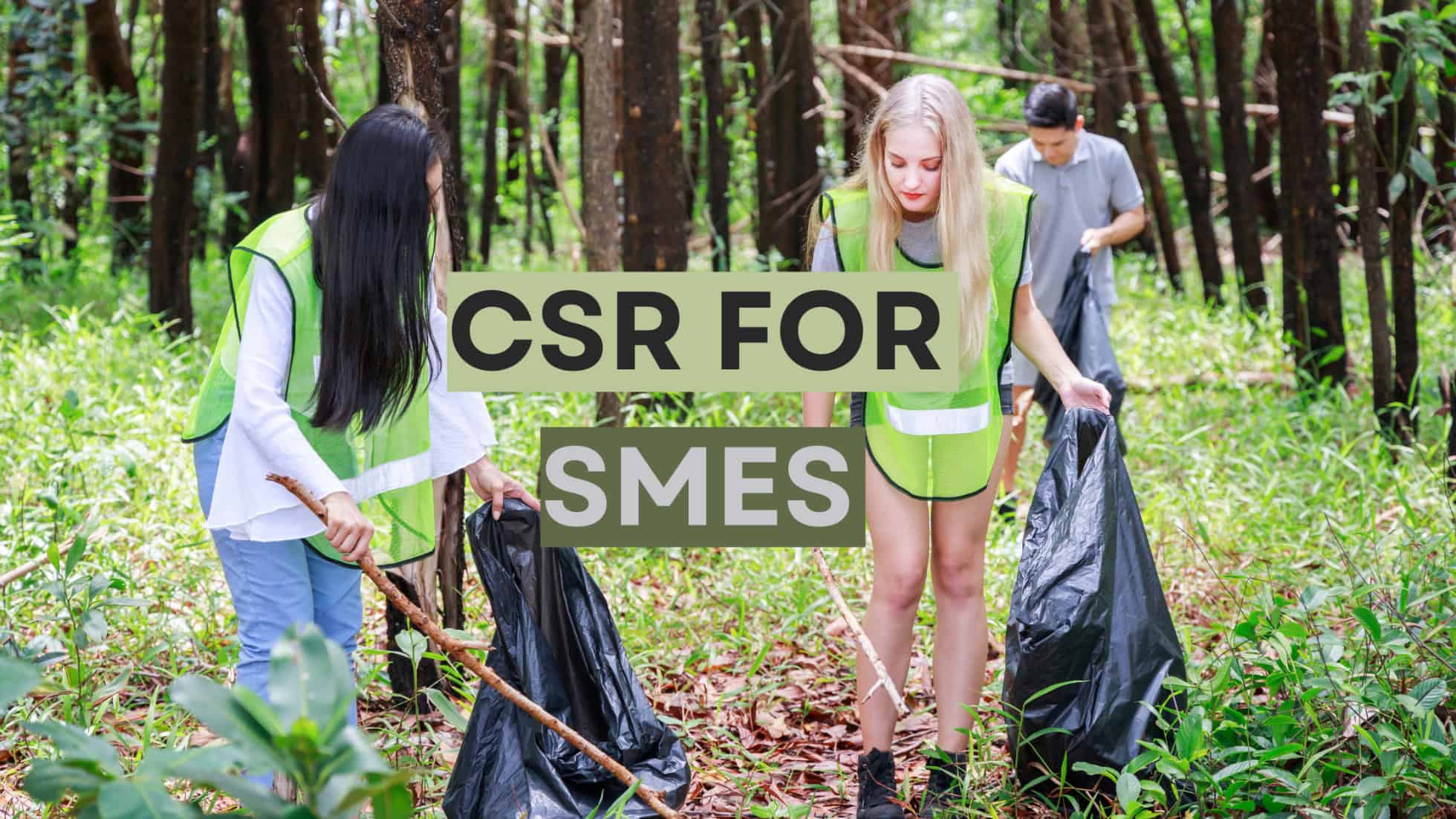
Corporate Social Responsibility is often seen as something only large corporations can afford.
But in reality, SMEs (Small and Medium Enterprises) have just as much to gain from acting responsibly and building a business that supports people, communities, and the environment.
CSR simply means taking responsibility for the wider impact your business creates.
It is about going beyond profits and making choices that reflect your values in daily operations. For small and medium businesses, this mindset builds reputation, loyalty, and long-term resilience.
What CSR Really Means for SMEs
CSR for SMEs is not about launching huge philanthropic programs. It is about adopting responsible habits that match your size and your community.
This can include choosing ethical suppliers, engaging with local initiatives, reducing waste in your operations, or building a workplace where people feel supported and valued.
CSR is already expanding across the global business landscape as more companies explore guidance from the United Nations Global Compact, which encourages businesses of all sizes to align with principles covering human rights, labour, environment, and anti-corruption.
For SMEs, the goal is not complexity. The goal is authenticity.
Why CSR Matters for SMEs
CSR helps small and medium businesses stand out in crowded markets.
Customers increasingly prefer brands that act responsibly and show genuine care for their community.
Responsible business practices build trust, which directly supports long-term customer loyalty. CSR also drives innovation when teams look for sustainable solutions, whether that means eco-friendly product ideas or more efficient internal processes.
Employee motivation is another big benefit. People enjoy working for companies that care about more than profit. This becomes a competitive advantage when hiring and retaining talent.
SMEs that consistently show responsible behaviour often find it easier to enter new markets or form partnerships, especially as larger companies prefer suppliers with credible sustainability practices.
Unique Challenges SMEs Face in CSR
SMEs often operate with limited time, money, and staff. This makes CSR feel overwhelming, even when the intentions are strong.
Many smaller businesses depend on the founder’s personal values to guide decisions because they do not have a dedicated sustainability team. This can make CSR informal and inconsistent.
Profitability pressures also play a role. It is hard to invest in long-term initiatives when short-term survival feels urgent.
On top of that, many SMEs are not aware of the strategic advantages that CSR can bring.
They may see it as charity rather than a driver of stronger brand perception and customer trust.
The good news is that CSR does not have to be expensive or complicated for SMEs to benefit from it.
Practical CSR Strategies SMEs Can Start With
Start small and choose actions that match your existing values. Supporting local suppliers, reducing waste at the workplace, or participating in neighbourhood events can all create a meaningful impact with minimal cost.
Employee well-being is another powerful CSR area. Flexible work policies, skills training, and open communication build trust and keep teams motivated.
SMEs can also engage with local schools, health programs, or social organisations. These efforts create real value in the community and position the business as a responsible neighbour.
Collaborations can help too. Partnering with NGOs or joining collective initiatives inspired by groups like the United Nations Global Compact allows SMEs to contribute even when they have limited resources.
Most importantly, communicate your efforts. Share what you are doing with customers, partners, and employees.
Transparency builds a deeper connection and strengthens your brand identity.
CSR as a Long-Term Value Builder
CSR is not just about doing good. It is an investment in long-term credibility.
Customers trust businesses that act responsibly. Partners prefer companies with ethical reputations. Employees stay longer when they feel valued.
Over time, these factors shape the resilience of an SME, helping it weather competition, win loyalty, and maintain a strong market presence.
CSR also prepares SMEs for future expectations as global interest in responsible business grows. Companies that build these habits early develop a natural advantage as markets become more conscious.
CSR is not about the size of a business. It is about intention, integrity, and the willingness to contribute positively to society and the environment.
For SMEs, it builds credibility, strengthens customer relationships, and supports long-term growth.
Businesses that support CSR early become more resilient and more trusted in a world where responsible behaviour is increasingly expected.
Are you a sustainable business looking for a platform to help scale your presence? From customers to investors, our Sustainable Business Directory helps you connect and grow with like-minded individuals who share your passion for the planet.