


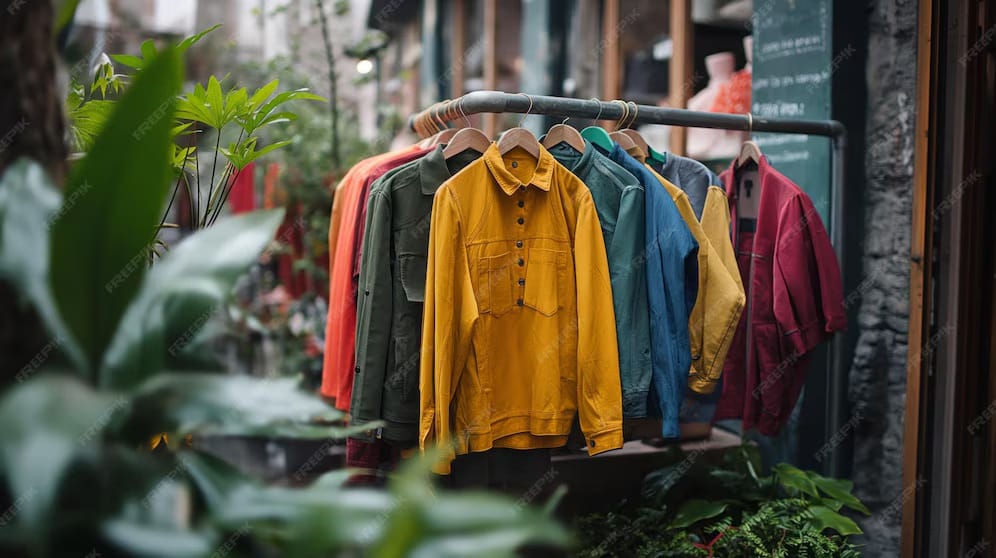
Sustainable fashion refers to building clothing and textile supply chains that reduce environmental impact, improve resource efficiency, and support responsible sourcing and production practices.
It also requires visibility into sourcing, manufacturing, processing, labor practices, and the environmental impact of materials throughout the supply chain.
The fashion industry consumes a significant share of the world’s freshwater resources. According to the Ellen MacArthur Foundation, the global fashion and textiles industry uses around 93 billion cubic metres of water each year, equivalent to roughly 4% of global freshwater withdrawals.
Sustainable fashion is often confused with ethical fashion, but they address different challenges. While ethical fashion focuses on fair labor practices and safe working conditions, sustainable fashion emphasises environmental responsibility. Both, however, work together to create a more conscious and responsible industry.
Today, sustainable fashion is no longer just about using eco-friendly materials. Brands are increasingly expected to verify supplier claims, improve traceability, reduce waste, and provide transparent sustainability data across their supply chains.
As regulations tighten and consumers become more informed, sustainable fashion businesses must move beyond marketing claims and build systems that support accountability, compliance, and long-term operational sustainability.
Building a Sustainable Fashion Brand With Verified Supply Chains
Building a sustainable fashion brand requires more than selecting eco-friendly materials. It involves creating transparent sourcing systems, verifying supplier claims, reducing operational waste, and maintaining visibility across the supply chain.
As sustainability regulations and reporting expectations continue to grow, fashion brands are increasingly expected to support their claims with certifications, traceability data, and measurable environmental impact information.
Sustainable Material Sourcing and Verification
For many small fashion brands, sourcing certified, low-impact materials is one of the biggest challenges. Accessing accurate material data, validating certifications, and collecting traceability documentation can be complex, especially for small and emerging fashion brands with limited supplier visibility.
Traditional sourcing methods make this even harder. Attending global trade fairs, working with agents, or relying on industry contacts can be too costly or impractical for new brands. Local fabric shops may be convenient, but they rarely offer certified sustainable materials or the documentation needed for verified claims.
These limitations show that today’s sourcing system isn’t designed for small or emerging labels. Without reliable information or direct supplier access, guaranteeing quality and sustainability becomes difficult.
The good news is that the industry is changing. As transparency becomes a priority, new digital tools and sourcing platforms are making certified materials more accessible to brands of all sizes.
Before exploring these solutions, it’s essential to understand what “verified” materials really mean, because not all sustainability claims are as reliable as they appear.
Sustainability Certifications and Compliance Standards
One of the simplest ways to confirm a supplier’s sustainability claims is through reputable third-party certifications. Standards like GOTS (for organic materials) and OEKO-TEX Standard 100 (for non-toxic processing) help verify fiber safety and environmental compliance.
Recycled materials may carry GRS or RCS, while some leather alternatives include certifications confirming vegan or plant-based content. These labels provide quick, reliable proof that the material has been independently assessed, not just marketed as “eco-friendly.”
Supplier Transparency and Material Traceability
Brands should be able to verify where raw materials originate, which facilities processed them, and whether suppliers can provide documentation supporting sustainability claims and certifications.
A transparent supplier should be ready and willing to share this information. In fact, a good sourcing checklist includes confirming the exact fiber origins and requesting the official certification documents that validate those claims.
Understanding the source and composition of the fibers not only ensures the material’s authenticity but also protects you from misleading or greenwashed sustainability claims.
Processing and Chemicals
How a fabric is processed matters just as much as the fiber itself.
A truly “verified” material should come with transparent information about how it was made, including the dyes, finishes, and chemicals used during production. Responsible mills follow strict chemical standards like Bluesign or ZDHC, which help ensure safer and cleaner processing.
If a fabric claims to be eco-friendly, check whether the manufacturer avoids hazardous chemicals and complies with RSL or MRSL requirements. Certifications such as OEKO-TEX STeP or independent audit reports provide reliable proof that the fabric was produced in a safe, responsible, and environmentally conscious way.
Ethical Sourcing and Labor Compliance
Verified sourcing isn’t just about materials; it must also include ethical labor practices.
Look for signs that a supplier upholds fair, safe working conditions through certifications like FAIR TRADE, SA8000, or WRAP, or through regular third-party labor audits.
These checks ensure that workers are treated ethically, and many responsible mills can even offer deeper supply-chain visibility, such as where their yarn or raw materials were sourced.
Traceability and Impact Data
Traceability is quickly becoming one of the most crucial parts of verified sourcing. It means being able to follow a material’s journey, from raw fiber to finished fabric, with complete visibility.
Many suppliers now use tools like digital product passports (DDPs) or supply-chain maps that track a fabric’s entire journey. These tools show which factories worked on the material, when each step happened, and where the processing took place.
They also include key environmental data, such as carbon footprint, water usage per meter, and other impact indicators.
For small brands, this kind of transparency is a game-changer. It allows you to confidently back up your sustainability claims, whether you’re speaking to customers, retailers, or regulators.
Circular Design and Waste Reduction
Reducing waste in sustainable fashion goes beyond fabric scraps and recycling. It also involves improving production planning, managing inventory efficiently, and reducing overproduction across the supply chain.

Many fashion brands are now adopting small-batch manufacturing, made-to-order production, and demand forecasting systems to minimise excess inventory and deadstock. Extending product lifecycles through durable construction, repairability, resale, and reuse strategies can further reduce material waste and improve long-term resource efficiency.
Avoiding Greenwashing Through Transparency
Sustainable fashion brands must communicate honestly. Share clear information about your materials, processes, and challenges.
Fashion brands should support sustainability claims with verifiable data, certifications, supplier disclosures, and traceability information. Transparent communication not only helps build consumer trust but also reduces the risk of misleading environmental claims and regulatory scrutiny.
Here is a detailed guide for developing a 90 Day Marketing growth plan for your sustainable fashion business.
Strengthening Circular Supply Chain Collaboration
Circular fashion works best when everyone collaborates. Work with recycling partners, resale platforms, and material innovators, or join accelerator programmes.
These partnerships help you improve traceability, grow faster, and adopt circular practices more effectively.
As sustainability expectations continue to grow, fashion brands are under increasing pressure to prove the credibility of their environmental and ethical claims. Verified sourcing, supply chain transparency, certifications, and traceability systems are becoming essential parts of building a responsible and future-ready fashion business.
Brands that invest in transparency and measurable sustainability practices today will be better positioned to meet regulatory expectations, strengthen consumer trust, and build more resilient supply chains in the years ahead.