

Table of Contents
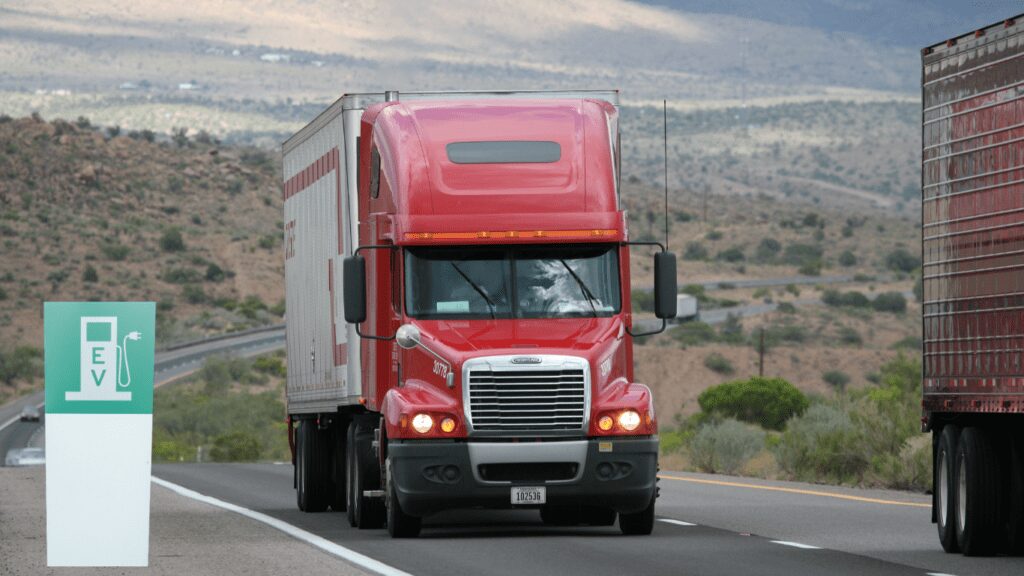
As India tightens vehicular emission norms through BS VI standards and accelerates electric mobility through policy support, businesses are no longer passive observers of transport regulations.
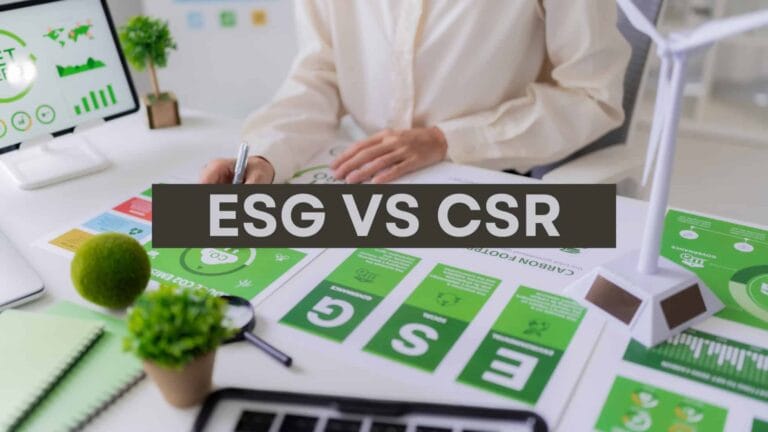
Fleet decisions, logistics partnerships, and fuel choices are now directly tied to ESG disclosures, regulatory compliance, and investor perception.
For companies operating in or with India, transportation is no longer just an operational function. It is a reporting and compliance variable.
Why Vehicle Emission Standards Now Matter for Business
India’s regulatory framework around vehicle emissions has evolved rapidly, but the real shift is not technological, it is strategic.
With the introduction of Business Responsibility and Sustainability Reporting requirements by the Securities and Exchange Board of India, companies are expected to disclose environmental impact across operations and value chains.
This includes emissions linked to transportation.
Whether it is an owned delivery fleet or outsourced logistics, mobility choices now influence ESG scores and compliance positioning.
BS VI vs BS IV and What It Means for Emissions Reporting
The transition from Bharat Stage IV to Bharat Stage VI is one of the most significant regulatory jumps in India’s mobility sector.
BS VI norms reduced nitrogen oxide emissions by around 25% for petrol vehicles and nearly 68% for diesel vehicles. Particulate matter emissions from diesel vehicles dropped by over 80%.
This is not just an environmental milestone. It is a measurable compliance advantage.
For businesses, shifting from BS IV to BS VI vehicles directly reduces reportable emissions. This creates a clear pathway to improving sustainability metrics without complex operational changes.
The Direct Link to ESG and BRSR Compliance
Transportation emissions fall into two key categories in ESG reporting.
Scope 1 includes emissions from company-owned vehicles.
Scope 3 includes emissions from third-party logistics partners.
Under BRSR disclosures, both are increasingly scrutinised.
A company operating a BS VI or electric fleet can demonstrate lower operational emissions. This improves ESG ratings, strengthens disclosures, and enhances credibility with global partners.
On the other hand, reliance on outdated fleets creates a reporting gap that is difficult to justify in audits or investor reviews.
The Impact on Your Value Chain
Even if your company does not own a single vehicle, transportation emissions still affect your reporting.
This is where Scope 3 becomes critical.
Third-party logistics providers, delivery partners, and supply chain operators contribute directly to your total emissions footprint.
If these partners use older, non-compliant vehicles, your reported emissions remain high regardless of your internal sustainability efforts.
This creates a new layer of decision-making.
Selecting logistics partners is no longer just about cost and efficiency. It is about emissions performance and compliance alignment.
This also opens up a growing need for verified green logistics providers, something that will become a key part of sustainable business ecosystems.
Financial Incentives for Businesses Moving to Cleaner Mobility
The transition to cleaner transport is not just policy-driven, it is financially supported.
The FAME India Scheme provides direct incentives for electric vehicle adoption across categories, including commercial fleets.
The Production Linked Incentive Scheme supports domestic manufacturing of advanced automotive components and battery technologies, reducing long-term costs for EV adoption.
Businesses can also benefit from tax incentives such as Section 80EEB, which allows deductions on interest paid for EV loans.
In addition, several Indian states offer subsidies specifically for commercial EV fleets, making electrification more viable for enterprise use cases such as employee transport and last-mile delivery.
For companies, this means the shift to cleaner mobility is no longer just an ESG decision. It is also a financially optimised move.
Beyond BS VI and Preparing for the Next Regulatory Shift
BS VI is not the end of the regulatory journey.
India is already pushing toward alternative fuels and next-generation mobility solutions.
The National Green Hydrogen Mission signals a long-term transition toward hydrogen-based transport, especially for heavy-duty and long-haul logistics.
At the same time, ethanol blending targets such as E20 are being implemented to reduce dependence on fossil fuels.
For businesses, this introduces a new consideration.
Fleet investments made today must remain viable under future regulations. Short-term compliance is no longer enough. Long-term adaptability is becoming essential.
Market Opportunities Emerging from Regulatory Pressure
Regulation is not just creating compliance challenges. It is also unlocking new business opportunities.
The push toward cleaner transportation is driving growth in:
- Electric fleet management solutions
- Charging infrastructure networks
- Battery recycling and lifecycle services
- Green logistics and low-emission delivery networks
Startups and enterprises operating in these areas are seeing increased demand as companies look for partners that can help them meet compliance requirements.
This is especially relevant for B2B ecosystems where sustainability is becoming a prerequisite for partnerships.
What Businesses Should Do Next
Vehicle emission regulations in India are no longer a background policy issue.
They are directly linked to how companies report, operate, and compete.
Businesses need to:
- Evaluate their current fleet emissions, whether owned or outsourced
- Prioritise BS VI-compliant or electric vehicles in procurement decisions
- Audit logistics partners for emission standards and compliance readiness
- Leverage available financial incentives for fleet transition
- Align mobility strategy with ESG reporting requirements
The companies that act early will not just reduce compliance risk. They will position themselves as credible, future-ready partners in a sustainability-driven economy.
India’s journey toward cleaner mobility is accelerating, but the real shift is happening inside boardrooms, not just on roads.
Transportation is becoming a measurable, reportable, and strategic component of business operations.
For companies, the question is no longer whether to adapt.
It is how quickly they can align their mobility strategy with the realities of ESG compliance and global expectations.