



Table of Contents
Construction is one of the most resource intensive and carbon heavy industries globally, accounting for a significant share of material consumption, waste generation, and emissions.
For developers, contractors, and investors, reducing this impact is no longer just a sustainability goal. It is becoming a requirement driven by cost pressures, regulations, and ESG expectations.
Modular construction is emerging as a practical pathway to address these challenges through standardization, efficiency, and improved control over materials and processes.
Environmental Impact of Modular Construction Systems
1. Energy efficiency in standardized construction systems
Modular construction enables more consistent energy performance across projects by integrating efficiency measures at the design and manufacturing stage.
Factory-controlled production allows for better insulation, airtightness, and reduced thermal leakage compared to on-site construction.
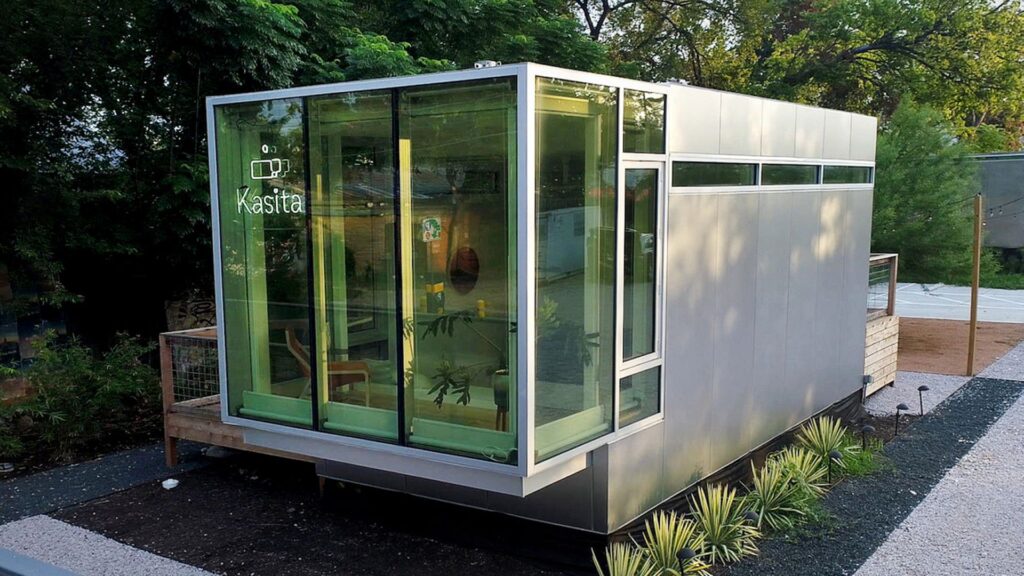
This leads to lower operational energy demand across buildings and improves predictability in energy performance.
For developers and asset owners, this consistency is critical in meeting energy efficiency standards and long-term operational cost targets.
2. Waste reduction
Traditional construction processes are highly inefficient in material usage, often generating significant waste due to on-site variability and rework.
Modular construction reduces this through precision manufacturing, standardized components, and controlled assembly processes.
Additionally, modular buildings are designed for disassembly and reuse, allowing for easy deconstruction and the reuse of their components, thereby reducing waste.
C. Emissions reduction across the construction lifecycle
Modular construction reduces emissions across multiple stages of the building lifecycle.
Factory-based production minimizes material waste and improves energy efficiency during manufacturing.
Reduced on-site activity lowers transportation requirements, equipment usage, and associated emissions.
In addition, the ability to integrate low-carbon materials and standardized processes enables developers to systematically reduce embodied carbon in projects.
This makes modular construction a practical pathway for achieving measurable emissions reductions in the built environment.
Modular Construction as an Operational Decarbonization Strategy
The impact of modular buildings goes beyond indThe impact of modular construction extends beyond individual sustainability improvements.
Construction is one of the largest contributors to global emissions, driven by material use, transportation, and on-site inefficiencies.
Modular construction changes this dynamic.
By shifting production into controlled factory environments, it reduces material waste, optimizes energy use, and minimizes on-site emissions.
For developers and construction firms, this creates a more predictable and measurable decarbonization pathway.
Instead of fragmented site-level activities, emissions can be tracked and optimized across standardized production processes.
This makes modular construction not just a design choice, but an operational strategy for reducing carbon impact.
Innovative Design and Sustainable Materials
1. Flexibility and scalability in construction systems
Modular construction introduces a level of flexibility that is highly relevant for developers and project planners.
Because buildings are assembled from standardized modules, projects can be scaled up or down based on demand, site constraints, or investment capacity.
This allows phased development, faster expansion, and better capital allocation compared to traditional construction methods.
In sectors like urban housing, student accommodation, and commercial real estate, this adaptability enables developers to respond quickly to market changes without redesigning entire projects.
2. Material optimization and resource efficiency
Modular construction enables precise material planning and usage through standardized design and factory-based production.

This reduces overordering, minimizes offcuts, and improves overall material efficiency compared to traditional construction.
The ability to integrate recycled and alternative materials at scale further reduces dependence on virgin resources.
For developers, this translates into lower material costs, reduced waste management requirements, and improved sustainability performance.
3. Circular Material Flows in Modular Construction Systems
One of the most overlooked advantages of modular buildings is their alignment with circular construction principles.
Because modular units are prefabricated, materials can be precisely measured, reused, and even recovered at the end of a building’s lifecycle.
Components can be disassembled, relocated, or repurposed, extending their usable life.
This reduces the need for virgin materials and lowers overall environmental impact.
For the construction industry, this represents a shift from linear “build and discard” models to circular systems where materials retain value over time.
As material costs rise and regulations tighten, this approach becomes increasingly relevant.
4. Standardization and quality control in built environments
One of the key advantages of modular construction is the ability to maintain consistent quality across projects.
Since modules are manufactured in controlled environments, developers can ensure higher precision, better material consistency, and reduced defects compared to on-site construction.
This reduces rework, improves durability, and lowers long-term maintenance risks.
For large-scale projects, this level of standardization becomes critical in maintaining performance benchmarks and meeting regulatory requirements.
Economic Impact of Modular Construction Systems
Modular construction offers several economic advantages over traditional site-built methods. Here are some of the most notable:
1. Lower Construction Costs
Modular construction offers a cost-efficient approach compared to traditional site-built methods.
Cost efficiency in modular construction is driven by standardized production, reduced construction timelines, and optimized material usage.
Factory-based processes lower labor intensity, minimize delays, and reduce waste, all of which contribute to more predictable project costs.
For developers, this improves financial planning, reduces risk exposure, and accelerates time to market.
2. Reduced Maintenance and Repair Costs
Reduced maintenance risk through quality control
Because modular construction relies on controlled manufacturing environments, materials and components are subject to consistent quality standards.
This reduces construction defects, improves durability, and lowers long-term maintenance risks.
For asset owners and operators, this results in more reliable building performance and lower lifecycle costs.
3. Asset efficiency and lifecycle value
Modular construction improves the overall efficiency of built assets across their lifecycle.
Faster construction timelines reduce project delays, while better material control lowers long-term maintenance and operational costs.
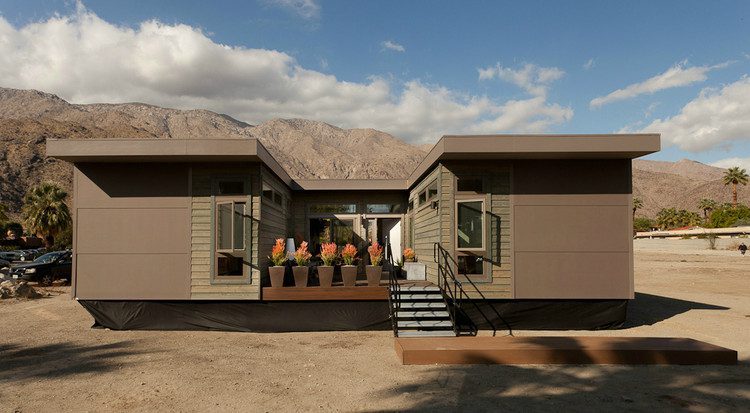
Additionally, modular buildings can be adapted, relocated, or repurposed more easily than traditional structures, extending their usable life.
For investors and developers, this creates more flexible assets that can respond to changing market conditions while preserving value.
Why Measurement and Reporting Will Define Adoption
While modular buildings offer clear sustainability benefits, their long-term impact depends on measurement.
Developers and investors are increasingly required to quantify emissions, track material usage, and report environmental performance.
Modular construction provides a structured environment where such data can be captured more reliably than traditional construction methods.
Energy use, material inputs, and waste outputs can be standardized and monitored across projects.
This creates a foundation for ESG reporting and compliance in the construction sector.
In the coming years, the ability to measure and verify impact will be as important as the sustainability features themselves.
Challenges and Limitations
Despite its advantages, modular construction faces several challenges that impact adoption at scale.
These include regulatory constraints, supply chain limitations, and industry perception, all of which influence how quickly modular systems can be integrated into mainstream construction practices.
Zoning and Regulatory Challenges
One of the biggest challenges facing modular buildings is zoning and regulatory issues. Some municipalities have zoning laws that prohibit the use of modular buildings or make it difficult for developers and project operators to obtain the necessary permits.
Additionally, building codes may differ from one region to another, making it difficult for modular construction providers to create standardised designs that can be used in different locations.
Perception and Misconceptions
Industry perception remains a barrier to wider adoption of modular construction.
Some stakeholders continue to associate modular systems with outdated or low-quality building methods, which affects adoption in large-scale projects.
However, modern modular construction has evolved significantly, offering high-quality, scalable, and customizable solutions that meet commercial and regulatory standards.
Addressing these misconceptions will be critical for broader industry acceptance.
Limitations of Modular Buildings in Terms of Customisation
Overall, the economic advantages of modular construction make it a viable model for developers aiming to reduce costs, improve efficiency, and accelerate project delivery.
By optimizing construction timelines, material usage, and lifecycle performance, modular systems support more predictable and scalable development outcomes.
Modular buildings represent more than an alternative construction method.
They signal a broader shift in how the built environment is designed, produced, and managed.
From reducing material waste to enabling circular systems and improving measurability, modular construction aligns with the evolving demands of sustainability and compliance.
For developers, investors, and policymakers, the opportunity is not just adoption.
It is integration.
Those who incorporate modular approaches into their operations will be better positioned to manage costs, meet regulatory requirements, and build more resilient, future-ready infrastructure.