


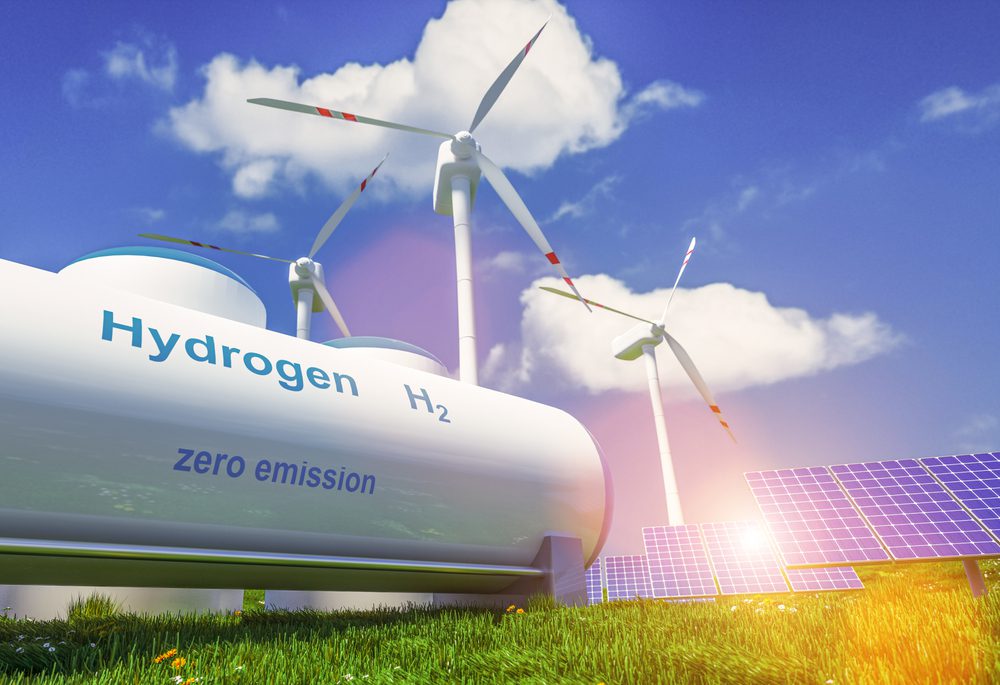
Most green hydrogen today is produced through electrolysis. It’s a proven, genuinely low-carbon pathway when the electricity behind it comes from renewables. Scaling it affordably is where things get harder, especially in regions where renewable power and fresh water are both in short supply.
Producing hydrogen this way takes a lot of water and a steady supply of clean electricity. Not every industrial site has that kind of surplus lying around. So a newer category of technology is asking a different question: what if the feedstock wasn’t water at all, but the wastewater factories are already producing?
Ossus Biorenewables, a Bengaluru startup, is one of the companies building around that idea. It’s a useful case study for understanding where hydrogen production might be headed next, and where it probably isn’t.
Table of Contents
Why Manufacturers Are Looking Beyond Electrolysis
Hydrogen prices haven’t moved in the direction the industry hoped. Between renewable electricity costs, electrolyzer capex, and water requirements, delivered hydrogen still isn’t cheap enough for a lot of buyers to switch away from fossil-based grey hydrogen on economics alone.
At the same time, manufacturers are dealing with a separate cost they rarely connect to hydrogen at all: wastewater treatment. Industrial effluent has to be treated regardless, and that’s a line item most plants already budget for.
Add in tightening ESG expectations, growing pressure to decarbonize energy-intensive operations, questions about energy security for sites that import hydrogen, and the slow but steady spread of carbon pricing, and the pressure to find an alternative production route starts to make sense. This is the actual business case for looking beyond electrolysis. Not the environmental story alone, but the fact that several cost pressures are converging at once.
What Wastewater-to-Hydrogen Actually Involves
Industrial effluent, the wastewater left over from oil, gas, steel, and chemical processing, carries dissolved organic carbon. Normally that’s a disposal problem. Someone has to treat it, or pay to have it hauled away.
This technology treats that same carbon as a resource. Unlike electrolysis, which uses electricity to split water molecules, wastewater-based biohydrogen relies on naturally occurring microorganisms that consume the organic compounds present in industrial effluent. As these microbes break down carbon-rich waste, the biochemical reactions that follow release hydrogen gas as one of the byproducts. The wastewater comes out cleaner. The hydrogen comes out usable.
Is it proven at the scale electrolysis operates at? Not yet. But it’s well past the lab-curiosity stage.
How Ossus Applies It: the HydraCel Process
Ossus built its version of this around a proprietary bioreactor called the OB HydraCel, installed directly at an industrial site rather than shipped in from a centralized facility.
The flow, in practice:
Industrial effluent → HydraCel bioreactor → electroactive microbes → hydrogen production → cleaner wastewater → on-site industrial use
In one deployment with a steel manufacturer, the system produced around 30 kg of hydrogen a day from 6,000 litres of effluent. That’s a fraction of what the company had been paying Linde, the industrial gas supplier, for delivered hydrogen.
Skip the centralized plant. Skip the storage and transport chain. Turn a waste stream into an input instead.
Electrolysis vs. Wastewater-Based Biohydrogen
| Conventional Electrolysis | Wastewater-Based Biohydrogen |
|---|---|
| Uses fresh, often desalinated water | Uses industrial wastewater |
| High renewable electricity demand | Lower energy input |
| Typically centralized production | Installed on-site |
| Wastewater treated separately | Treats wastewater in the same process |
| Hydrogen compressed and transported | Produced where it’s consumed |
Neither one makes the other obsolete. Electrolysis still wins at grid-scale, export-oriented production, and nothing about biohydrogen changes that. Biohydrogen makes more sense where a site already has both the waste stream and the hydrogen demand to justify the investment.
Which Industries Actually Fit This Model
This depends on one thing above everything else: a steady volume of organic-carbon-rich effluent. That narrows the field considerably.
Steel and refining plants generate large, continuous effluent volumes and already consume hydrogen in their own processes, so they’re an obvious starting point. Sugar mills, breweries, and food processing plants produce organic-heavy wastewater as a normal part of operations. Textile manufacturing and pulp & paper carry a similar profile. Pharmaceutical and chemical plants round out the list, often under tighter discharge regulations, which makes on-site treatment worth more to them than it would be elsewhere.
The industry label matters less than the underlying question: does this site have enough wastewater, and enough hydrogen demand, to make the capital outlay worthwhile?
Where Could the Economics Work?
A manufacturer running conventional operations is typically paying for three things separately: wastewater treatment, hydrogen purchase, and hydrogen transport. Wastewater-based biohydrogen doesn’t eliminate any of those costs outright, but it can combine all three into a single on-site system.
That doesn’t guarantee lower costs. Capital expenditure on a bioreactor isn’t trivial, and returns depend heavily on effluent volume and existing hydrogen demand. But it changes the shape of the economics enough that it’s worth evaluating, particularly for industries generating continuous, organic-rich wastewater as a byproduct of operations they’re already running.
The Part That’s Easy to Overstate, and the Part That Isn’t
The sustainability pitch here is concrete, not abstract. Wastewater gets treated instead of discharged or trucked off-site. Fossil-based grey hydrogen demand goes down. Transport emissions disappear because there’s no hydrogen to move. Water that would otherwise feed an electrolyzer gets recycled instead.
That’s a circular-economy argument. It holds up because it changes a real cost line on a factory’s books, not because it reads well in a sustainability report.
What it isn’t, yet, is a finished product. Purity from a biological process has to match what industrial buyers expect from conventional hydrogen, and that’s not automatic. Wastewater chemistry differs from site to site, so a bioreactor tuned for one effluent stream may need real re-engineering for the next. Capital cost, regulatory approval, and adoption at commercial scale are all still open questions beyond pilot deployments and early industrial partnerships.
Worth tracking. Not yet something to build a full decarbonization roadmap around.
A Quick Filter for Whether This Makes Sense for You
Probably a fit if:
- You produce large, continuous volumes of organic-rich wastewater
- You already have meaningful on-site hydrogen demand
- Your operations run continuously enough to justify a fixed installation
Probably not yet, if:
- Your facility is small-scale or your wastewater is relatively clean
- You have little or no existing hydrogen consumption
- You need hydrogen at grid or export scale, where electrolysis still has the edge
Where This Sits in India’s Broader Hydrogen Strategy
The National Green Hydrogen Mission backs the sector with an INR 19,744 crore outlay through FY30 and a target of 5 million metric tonnes of production annually by 2030. NITI Aayog projects the domestic market reaching $8 billion in that same window.
Most of that policy weight is aimed at scaling electrolysis. Decentralized, wastewater-based production is a smaller piece of the picture right now, but it lines up well with exactly the industrial clusters, steel, chemicals, textiles, where centralized hydrogen supply chains struggle to reach efficiently.
It’s less a competition between two technologies than a question of which one shows up first for a given buyer.
Key Takeaways
- Industrial wastewater can become a hydrogen feedstock instead of a disposal cost.
- Biohydrogen treats wastewater and generates hydrogen in the same process, rather than two separate ones.
- On-site production removes the compression, storage, and transport costs that weigh down conventional supply chains.
- It complements electrolysis rather than replacing it. Different buyers, different needs.
- Commercial success depends on purity, scalability, and site-specific economics, not on whether the underlying science works.
Wastewater-to-hydrogen is unlikely to replace electrolysis. But it points to something worth paying attention to in industrial decarbonization: wastewater doesn’t have to be viewed purely as a disposal challenge. Manufacturers can start treating it as a resource that generates both environmental and operational value. Whether this approach scales will depend less on the science, which has already moved beyond the laboratory, and more on where the economics line up with real industrial demand.