



Plastic is no longer just a material choice, it has become a compliance, cost, and ESG reporting challenge for businesses. As regulations tighten and pressure from investors and consumers increases, companies are being forced to rethink their reliance on traditional plastics.
Bioplastics are emerging as a potential alternative, but the real question for businesses is not whether they are sustainable, but whether they are scalable, cost-effective, and aligned with long-term ESG goals.
Table of Contents
Plastics have long been central to packaging and manufacturing due to their versatility and cost efficiency. However, for businesses today, their environmental impact is no longer just a sustainability concern, it is a regulatory and reporting challenge.
Why Material Choices Now Impact ESG Reporting and Compliance
Material selection is increasingly becoming a reporting issue, not just an operational one. The use of traditional plastics directly affects a company’s environmental footprint, particularly in Scope 3 emissions. For many industries, packaging and raw materials account for a significant share of Scope 3 emissions, making material substitution one of the most direct levers for emission reduction.
In many industries, supply chain emissions can account for more than 70% of total emissions, making material choices a critical lever for reduction.
For companies operating in regions with stricter regulations, plastic usage is also tied to extended producer responsibility and waste management compliance. This means that switching to alternatives like bioplastics is not just a sustainability initiative, but a strategic move to reduce regulatory risk.
From an ESG reporting perspective, companies need to demonstrate measurable reductions in environmental impact. Material choices, especially in packaging and manufacturing, are becoming key data points in sustainability disclosures and investor reporting.
Environmental Problems with Traditional Plastics
Traditional plastics, derived from fossil fuels, pose significant environmental challenges.
Their non-biodegradability means they persist in the environment for hundreds of years, contributing to the accumulation of plastic waste.
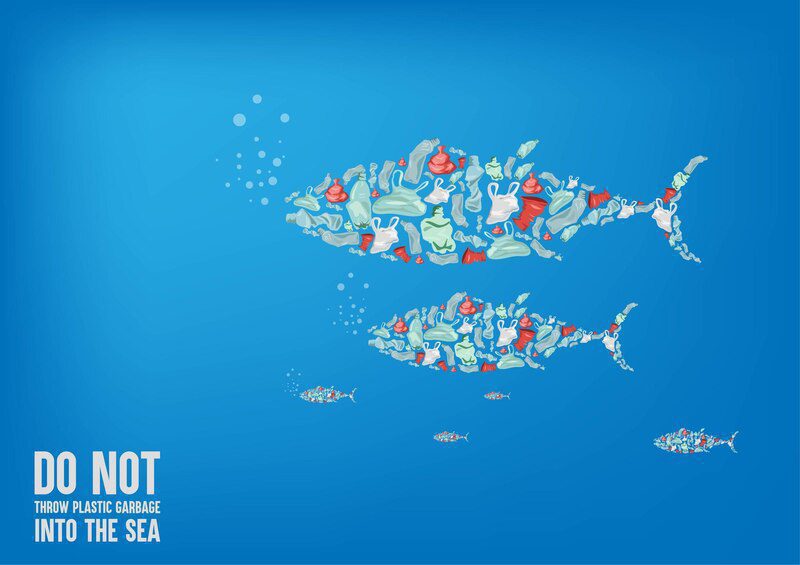
Landfills and oceans are overloaded with plastic waste, leading to the formation of garbage patches that harm marine ecosystems and wildlife.
Additionally, the chemicals present in plastics pose health risks to humans through exposure in various forms.
The Promise of Bioplastics
The increasing awareness of plastic pollution and the need for sustainable alternatives has fueled the demand for bioplastics.
Bioplastics, on the other hand, are designed to be biodegradable.
They can break down naturally over time, reducing the burden of plastic waste.
This feature makes them a compelling solution to the environmental problems associated with traditional plastics.
Bioplastics offer comparable performance and durability, making them suitable for a wide range of applications.
Furthermore, advancements in technology and research have led to the development of more accessible and cost-effective bioplastics in the market.
How are Bioplastics Made?
Bioplastics are produced using various methods and raw materials.
One common approach involves utilizing plant-based materials, such as cellulose, as the primary source.
Another method involves utilizing bacterial strains to produce biodegradable plastics, such as polyhydroxyalkanoate (PHA).

The manufacturing process typically involves extraction, purification, and polymerization of the raw materials, followed by shaping through processes like injection molding.
Types of Bioplastics
There are different types of bioplastics available, each with its own composition and characteristics.
Plant-based bioplastics utilize renewable resources such as corn, sugarcane, or cassava starch.
Cellulose-based bioplastics, derived from wood or agricultural waste, exhibit high strength and transparency.
Polyhydroxyalkanoate (PHA) bioplastics are produced by bacterial strains and offer a versatile and biodegradable alternative.
Applications of Bioplastics
Bioplastics find applications in various industries, including packaging, food service, agriculture, textiles, and medical devices.
In the packaging industry, bioplastics offer a sustainable alternative to traditional plastic packaging, reducing the overall environmental footprint.
They are used to create packaging materials for food products, reducing the reliance on traditional plastics.
Bioplastics are also utilized in the production of disposable cutlery and food containers, providing a more sustainable option for single-use items.
Bioplastics also play a role in agriculture, where they can be used for mulching films and biodegradable plant pots.
The textile industry is exploring the use of bioplastics in producing sustainable and eco-friendly fabrics.
Additionally, bioplastics have the potential to be used in automotive and electronic components, further expanding their applications.
For businesses, these applications represent opportunities to redesign supply chains with lower environmental impact. Packaging, in particular, is becoming a critical area where companies can reduce emissions while responding to regulatory and consumer pressure.
Challenges and Limitations
While bioplastics offer significant advantages, there are also challenges and limitations to consider.
Cost remains a major factor, as bioplastics are currently more expensive to produce than traditional plastics.
Additionally, there is a need to ensure the performance and durability of bioplastics match that of their conventional counterparts.
Recycling and waste management of bioplastics pose additional challenges that need to be addressed to ensure their environmental benefits are maximized.
From a business perspective, these challenges translate into real decision-making constraints. Higher costs, inconsistent supply chains, and lack of standardized recycling infrastructure make it difficult for companies to scale bioplastic adoption without clear long-term economic and regulatory incentives.
How Market and Regulatory Pressure Is Driving Material Shifts
The shift toward bioplastics is no longer driven by awareness alone. It is being accelerated by a combination of regulatory mandates, investor scrutiny, and supply chain expectations from large enterprises.
Policies around plastic usage, waste management, and extended producer responsibility are becoming stricter across multiple regions. At the same time, large enterprises are setting supply chain requirements that push suppliers toward more sustainable materials.
For businesses, this creates both pressure and opportunity. Companies that adapt early can reduce compliance risks and position themselves as preferred partners in evolving sustainable supply chains.
What Businesses Should Consider Before Adopting Bioplastics
For companies evaluating bioplastics, the decision goes beyond environmental benefits.
Cost remains a critical factor, especially for industries operating on thin margins. While bioplastics offer sustainability advantages, they must compete with the low cost and established infrastructure of traditional plastics.
Supply chain reliability is another concern. Businesses need consistent access to raw materials and scalable production capabilities, which are still evolving in the bioplastics industry.
There is also the question of end-of-life management. Not all bioplastics degrade in natural environments, and improper disposal can reduce their environmental benefits. Companies need to ensure that their waste management systems align with the materials they use.
Ultimately, adopting bioplastics requires a balance between sustainability goals, operational feasibility, and regulatory compliance.
The Future of Bioplastics
The next phase of bioplastics adoption will depend on how effectively the industry can integrate with existing manufacturing systems and waste management infrastructure.

Overcoming these obstacles will be crucial for the widespread adoption of bioplastics and their integration into a circular economy.
As technology advances, there is immense potential for further improvements in bioplastic production and applications.
Continued research and development efforts aim to reduce the cost of production, enhance performance, and expand the range of available bioplastics.
The real impact of bioplastics will depend on how effectively they are integrated into circular systems rather than treated as a direct replacement for traditional plastics.
Bioplastics represent an important step toward reducing dependence on fossil fuel-based materials, but they are not a complete solution on their own. Their impact depends on how they are produced, used, and managed within broader supply chains.
For businesses, the future of bioplastics will depend less on innovation alone and more on ecosystem readiness. Factors such as policy support, infrastructure development, and supply chain integration will determine how quickly these materials can scale.
Companies that begin evaluating material alternatives today will be better prepared as regulations tighten and ESG reporting standards become more detailed. Early adoption, even at a limited scale, can provide valuable insights into cost structures, operational challenges, and reporting implications.